Dream Interpretation of Crossroads: Major Decisions
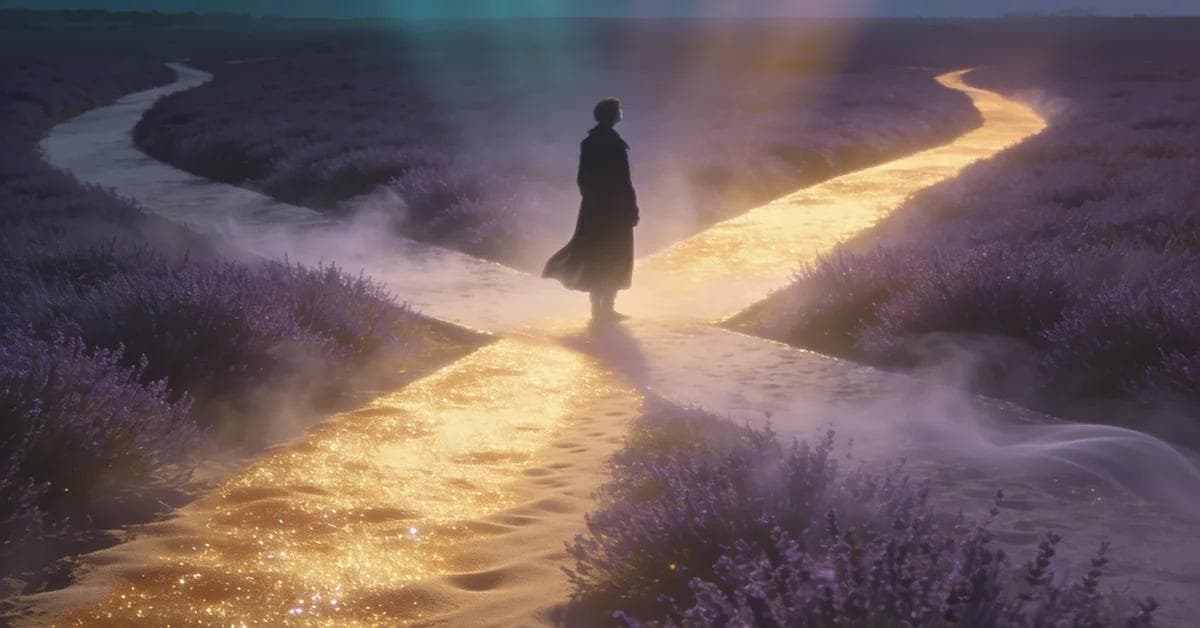
In Jungian psychology, the crossroads represents a pivotal moment of 'individuation' and psychic tension. It is a powerful archetype of the unconscious, signaling that the dreamer has reached a crisis of choice where old patterns no longer suffice. It reflects a transition between two states of being, demanding an integration of shadow and light. It is a subconscious message to embrace your agency and acknowledge the gravity of your impending life direction.
Had a dream about crossroads?
Get your personalized AI interpretation in seconds
Interpretations
Ibn Sirin (Islamic Core)
Ibn Sirin interprets the crossroads as a symbol of hesitation and confusion between two or more significant choices in the dreamer's life. Standing still at a crossroads reflects a period of stagnation or paralysis in making critical decisions regarding livelihood or marriage. Selecting a straight and paved path from the junction is a 'Bushra' (good omen) of guidance, following the truth, and reaching one's goals, whereas choosing a rugged or dark path warns of impending hardship and peril.
Al-Nabulsi
Al-Nabulsi interpreted the junction of roads as multiple opportunities granted by Divine Providence, requiring contemplation and spiritual seeking (Istikhara). Being lost at a crossroads suggests a dispersion of religious or worldly focus and a loss of direction. Successfully navigating the crossroads toward a wide path signifies the disappearance of anxiety and relief after hardship. It may also represent the presence of influential witnesses or individuals who will radically alter the course of the dreamer's life.
Imam Sadiq
Imam al-Sadiq explains that a crossroads represents a trial or test of one's reliance on God. It symbolizes the choice between truth and falsehood or a transition in leadership and authority. Feeling confused at the junction suggests a need for guidance from people of wisdom. Reaching a safe destination from the crossroads indicates divine success (Tawfiq) and uprightness, while turning back may signify an inability to achieve a desired goal.
Biblical Tradition
In the Hebrew Bible tradition, the crossroads echoes the prophetic call to stand at the ways and ask for the ancient, good paths (as in Jeremiah). It symbolizes the moral moment of choosing between righteousness and sin. This symbol is linked to Joseph in Egypt facing fateful decisions, representing Divine Providence guiding a person during moments of wandering when they seek wisdom to discern between good and evil.
Christian Tradition
In the New Testament context, the crossroads represents the spiritual struggle between the 'narrow gate' leading to life and the wide path leading to destruction. It is a call for repentance and focusing entirely on Christ's teachings. It signifies the moment of spiritual metanoia (conversion) where the believer must decisively abandon worldly desires. It also symbolizes spiritual warfare and the need for the Holy Spirit's guidance to choose the path that glorifies God.
Carl Jung (Archetypes)
For Carl Jung, the crossroads represents the archetype of transformation and the stage of individuation. It signifies a threshold in the dreamer's life where the consciousness must integrate opposing aspects of the psyche. Standing there reflects the conflict between the Ego and the Self, or between collective values and the authentic individual path. It is a symbol of spiritual growth requiring the sacrifice of old security to enter a new stage of expanded consciousness.
Sigmund Freud (Desire)
Freud posits that a crossroads may represent repressed desires and libidinal conflicts related to sexual or familial choices. The visual shape of the junction (especially a Y-shape) can symbolize bodily representations or childhood traumas associated with parental figures. Hesitation at the crossroads expresses anxiety concerning the consequences of instinctual gratification or a fear of social punishment and moral reprimand originating from the Superego.
Zhou Gong
In traditional Chinese interpretation, dreaming of a crossroads is an omen to be cautious with strangers or business dealings. A wide junction is an auspicious sign of success and abundance. If the crossroads leads to dead ends, it signifies obstacles in career. Choosing the right-hand path typically symbolizes blessings and a moral course, while choosing the left may warn of deviating from tradition or facing financial loss.
Hindu / Vedic
In Hindu philosophy, a crossroads represents Karma and the human capacity to shape the future through current actions. It is the intersection of Dharma (duty) and destiny. The dream suggests a transition in the life cycle where the dreamer must balance material desires with spiritual goals. Clarity in the chosen path reflects the purity of the soul, while dust and congestion signify excessive attachment to transient worldly pleasures.
Japanese (Yume Uranai)
In Japanese Yume Uranai, a crossroads is seen as a dwelling place for spirits (Kami) and a thin point between worlds. It is a 'Kichimu' (auspicious dream) if the dreamer finds a guide or clear sign, indicating ancestral protection. However, a foggy junction is a 'Kyomu' (ominous dream) warning of deception or misleading spirits. The dreamer is advised to remain steadfast in their heart and avoid hasty changes in their professional life.
Our AI can analyze your specific dream details in seconds.
Disclaimer: This analysis utilizes AI based on historical and psychological texts for educational and spiritual insight. It does not constitute professional medical or psychological advice.
Don't let the message slip away. Get a profound, personalized analysis that reveals what your subconscious is trying to tell you.