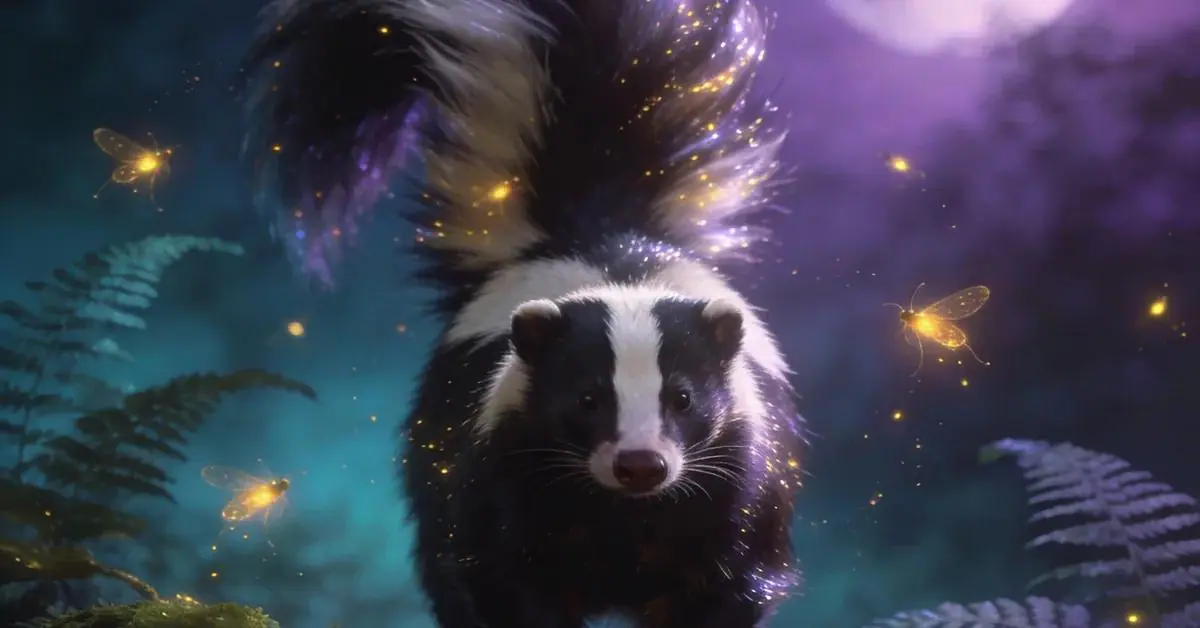
What does it mean to dream about a skunk?
Dreaming of a skunk suggests a need to protect your space and establish firm boundaries, while its defensive odor may reflect isolation from genuine connection. Jung associates the skunk with the Shadow: rejected, uncomfortable aspects of the personality and defenses that repel intruders but may alienate others.
Is dreaming of a skunk good or bad?
MixedIt depends on the dream. Dreaming of a skunk can be a good or a bad sign depending on what happened and how you felt when you woke up.
Which animal guides your dreams? Take the spirit animal quiz.
In Western psychological tradition, the skunk functions as a powerful Jungian archetype of self-protection and boundary setting. It symbolizes the 'Shadow' aspect of personal influence—the ability to repel others without physical force through reputation or 'stinking' behavior. Dreaming of a skunk suggests a subconscious need to assert your space and demand respect, or a warning that your current defensive mechanisms may be isolating you from genuine connection.
Get your personalized AI interpretation in seconds
How each tradition reads dreams about a skunk
Carl Jung (Archetypes)
Man and His Symbols (1964)
Jung views the skunk as a manifestation of the Shadow archetype, representing rejected aspects of the personality that evoke disgust. It symbolizes a potent psychological defense mechanism that isolates the individual. The dream may suggest a desire to enforce rigid boundaries to repel intruders, yet warns that such defenses might alienate others. It invites the dreamer to explore repressed anger or discomfort that creates an emotional 'odor' affecting their social environment.
Sigmund Freud (Desire)
The Interpretation of Dreams (1899)
Freud links the skunk to repressed desires related to shame and bodily functions (the anal stage). The foul odor symbolizes childhood conflicts with discipline and self-expression. The skunk may represent deep-seated fears of sexual embarrassment or feelings of inferiority. In this context, the spray serves as an expression of repressed sexual aggression or the fear of being discovered in secrets that the dreamer perceives as 'dirty' or socially unacceptable.
Other traditions
Ibn Sirin (Islamic Core)
Muntakhab al-Kalam fi Tafsir al-Ahlam (attributed)
Ibn Sirin interprets the skunk as a symbol of a person with a foul reputation or a weak enemy who possesses harmful influence. Seeing a skunk warns of a lingering disturbance or a scandal that might stick to the dreamer's reputation. If the skunk sprays its scent, it signifies being affected by malicious gossip or the presence of a deceptive person in one's social circle. Overcoming it indicates liberation from negative influences and the restoration of one's social standing.
Al-Nabulsi
Ta'tir al-Anam fi Ta'bir al-Manam
Al-Nabulsi interpreted the skunk as an embodiment of distress and worries arriving from outsiders. The foul smell serves as an omen for accumulating debt or the exposure of a shameful secret. If a skunk enters the home, it indicates the arrival of an unwelcome person causing discord among family members. Fleeing from it represents escaping an imminent harm or avoiding situations that bring social disgrace, emphasizing the need for vigilance against subtle enemies.
Imam Sadiq
Imam Sadiq views the skunk as a symbol of illicit wealth or gains that come with psychological distress and reputational damage. Expelling a skunk from one's dream suggests removing hypocrisy and embracing truth. It serves as an alert regarding a friend who hides malice behind a friendly mask. The animal's defense mechanism of spraying refers to the risk of confrontations that could end in the tarnishing of the dreamer's public image and social status.
Biblical Tradition
The Bible (Old Testament)
The Bible does not name the skunk specifically, but symbolically it aligns with animals reflecting impurity and spiritual stench. Hebrew interpretation connects such creatures to spirits inhabiting desolate places. The skunk represents the 'root of bitterness' or sin that emits a foul aroma affecting those around. It may also signify a troublemaker who sows discord; as its scent separates friends, necessitating spiritual purification and the turning away from hidden transgressions.
Christian Tradition
In Christian tradition, the skunk symbolizes trials requiring spiritual discernment. It represents the 'aroma of death' versus the 'sweet savor of Christ.' The dream warns believers against behaviors that bring shame to the Church or damage their public testimony. It also symbolizes the unholy weapon of the weak, where defamation is used for self-defense instead of forgiveness and love. The dream calls for repentance to transform the 'stench' of sin into holiness through the Holy Spirit.
Zhou Gong
Zhou Gong Jie Meng (周公解梦)
In Chinese tradition, seeing a skunk warns of negative 'Yin' energy surrounding the dreamer. It indicates that silence and non-confrontation are often better than provoking conflict. If a skunk passes peacefully, it suggests avoiding a major problem through wisdom. However, if it attacks, it is a warning of rivals attempting to smear your family name with false rumors. The dreamer is advised to practice patience and not retaliate in kind to prevent the situation from escalating.
Hindu / Vedic
In Vedantic thought, the skunk represents the dominance of 'Tamas' (ignorance and darkness). Its appearance suggests a mind polluted by negative thoughts or jealousy hindering spiritual growth. The odor represents bad Karma that follows a person, affecting interactions. The dreamer is advised to perform 'Sadhana' (spiritual practice) to cleanse the 'Sharira' (aura) of repulsive energies and focus on internal purity to attract divine blessings instead of earthly conflicts.
Japanese (Yume Uranai)
In Yume Uranai, the skunk is an omen of bad luck (Kyomu) regarding social relations. it symbolizes 'impurity' affecting one's reputation due to association with wrong people. Seeing a skunk warns of 'foul words' or workplace bullying. However, if the skunk does not spray, it may indicate a natural defense protecting the dreamer from danger, suggesting the importance of maintaining a safe distance from others to preserve inner peace and harmony.
Don't let the message slip away. Get a profound, personalized analysis that reveals what your subconscious is trying to tell you.
Interpret your Skunk dream with AICommon Questions & Scenarios
What does it mean if a skunk sprays me in a dream?
What is the interpretation of running away from a skunk in a dream?
What does a pet skunk inside the house mean?
What does it mean if a skunk is chasing me in a dream?
What is the meaning of a dead skunk in a dream?
Written with AI from the traditions named on this page and maintained by the FASSIR English Editor. Last updated . How we interpret dreams
Disclaimer: This analysis utilizes AI based on historical and psychological texts for educational and spiritual insight. It does not constitute professional medical or psychological advice.