Dream Interpretation of Death: New Beginnings
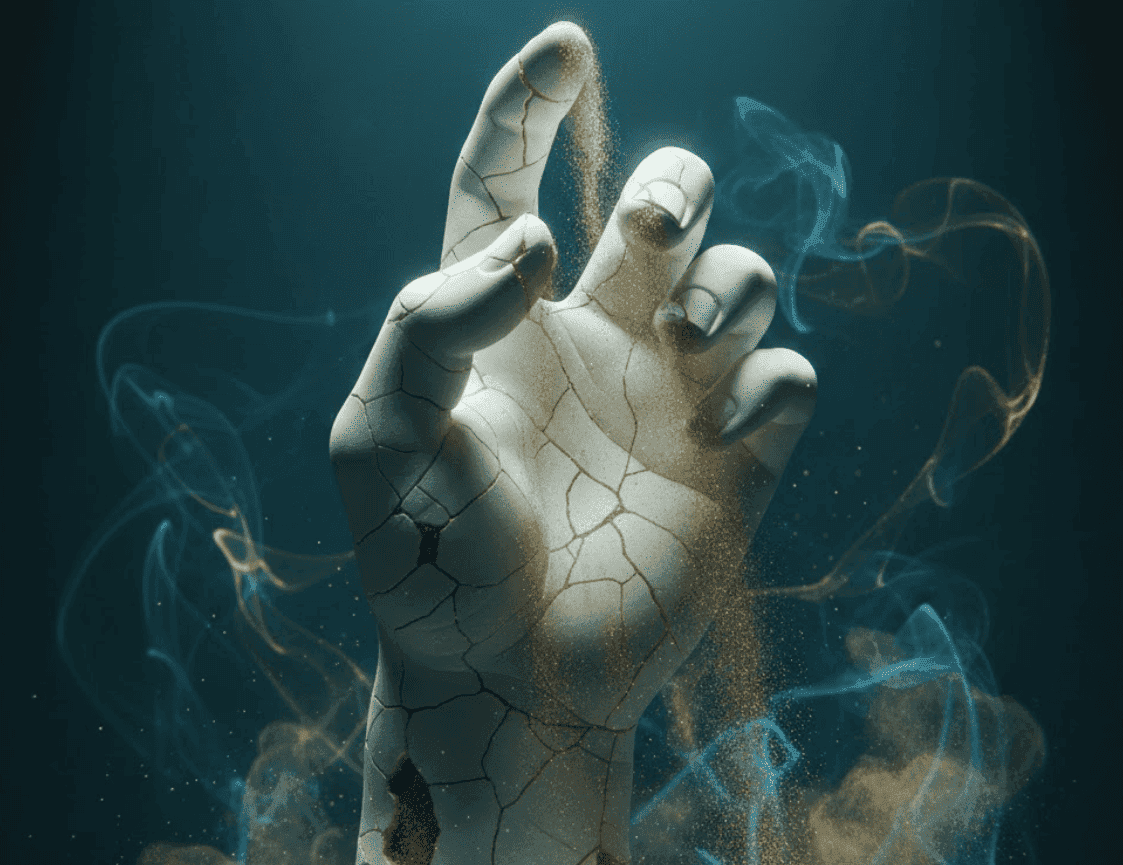
In the Western Jungian tradition, dreaming of death is rarely literal; it is a powerful psychological archetype signifying 'transformation' and the 'end of a cycle.' It represents the ego’s transition, shedding old habits or outdated identities to make room for rebirth. It reflects a subconscious message that a significant phase of your life is concluding, inviting inner growth and self-renewal.
Had a dream about death?
Get your personalized AI interpretation in seconds
Interpretations
Ibn Sirin (Islamic Core)
Ibn Sirin interprets death in a dream as representing regret over a grave sin or a corruption in one's religious commitment, especially if accompanied by wailing. However, if one sees themselves dying without the appearance of sickness or a funeral, it signifies longevity. Death can also symbolize travel or a significant transition in life. If a person sees themselves dying and then coming back to life, it means they will commit a sin and then sincerely repent. Seeing the death of parents suggests financial hardship, while the death of a wife indicates a loss of livelihood.
Al-Nabulsi
Al-Nabulsi interpreted death as a deficiency in religious practice accompanied by worldly elevation, particularly if the dreamer is carried on shoulders but not buried. For a bachelor, death in a dream signifies marriage, while for a married person, it may symbolize divorce or separation. Death can also represent rest for the weary, the returning of trusts to their owners, or the release of a prisoner. If one sees a deceased person claiming they are not dead, it indicates the high status of martyrs and a good state in the afterlife.
Imam Sadiq
Imam al-Sadiq views death in dreams through four lenses: corruption of faith, loss of wealth, relief after hardship, or a great calamity followed by repentance. Seeing the death of an Imam or a scholar indicates the emergence of innovation in religion or devastation in the land. For the poor, death signifies wealth; for the distressed, it brings relief; and for the sick, it may mean the end of life or a total recovery depending on the dream's intricate details.
Biblical Tradition
Death in the Old Testament refers to separation or a radical change in covenants. As in the stories of Joseph and Daniel, death can symbolize the end of a period of bondage and the start of a period of dominion. Dreaming of death may be a divine warning to return to the Torah or a reminder of the body's frailty compared to the soul's eternity as mentioned in the Psalms. It is a transition from narrowness to expansion, or the death of the 'old man' to begin a new covenant.
Christian Tradition
In the New Testament, death in dreams focuses on resurrection and eternal life in Christ. Death symbolizes the 'dying of the old self' so the spirit may live. Apostle Paul indicates that death is gain for the believer; thus, dreaming of death may mean victory in spiritual warfare or the end of a harsh trial. It is a symbol of sacrifice and rebirth through baptism, and a call to leave sin behind and hold onto the hope of the Kingdom of Heaven.
Carl Jung (Archetypes)
Carl Jung viewed death as an archetypal symbol of psychological transformation and the ending of the old ego to make way for the new self. Death in a dream is not a literal end but a process of 'individuation' where a part of the personality dies to allow for deeper psychological maturity. It represents liberation from old behavioral patterns or shadows that no longer serve the individual's spiritual growth, signaling a rebirth from the collective unconscious.
Sigmund Freud (Desire)
Freud focused on how dreams of death are often linked to repressed desires or the 'death drive' (Thanatos). The dream might reflect a subconscious wish to eliminate a specific authority figure or a rival, or it could be an expression of anxiety tied to childhood trauma. Sometimes, death in a dream represents the repression of sexual impulses (libido), where intense desire is replaced by the image of nothingness or loss as a mental defense mechanism.
Zhou Gong
In the Chinese tradition of Zhou Gong, death is a highly auspicious omen. Dreaming of one's own death signifies longevity and great success. Seeing a corpse rise from a coffin means gaining unexpected wealth. If you dream of a stranger dying, you will be rid of worries and nuisances. Death symbolizes the end of misfortune and the beginning of abundant luck, heralding a positive change in social status or financial standing.
Hindu / Vedic
In Hindu thought, death is the gateway to 'Samsara' or reincarnation. Dreaming of death signifies the end of one karmic cycle and the beginning of a new one. If a person sees themselves dying, it indicates liberation from material attachment (Mukti) or recovery from a chronic illness. Seeing 'Yama,' the god of death, is a call to review one's ethical deeds. Dreaming of death is often considered a good omen, foretelling a long life or an impending marriage.
Japanese (Yume Uranai)
In Yume Uranai (Japanese dream divination), death is considered 'Kichimu' or an auspicious dream. Death represents rebirth and the renewal of luck. If you dream of your own death, it means your current problems will soon vanish and your business will flourish. Seeing blood accompanied by death increases the strength of financial luck. The Japanese associate death with the soul shedding earthly burdens, signaling protection from guardian spirits and the start of a bright new chapter.
Our AI can analyze your specific dream details in seconds.
Disclaimer: This analysis utilizes AI based on historical and psychological texts for educational and spiritual insight. It does not constitute professional medical or psychological advice.
Don't let the message slip away. Get a profound, personalized analysis that reveals what your subconscious is trying to tell you.