Dream Interpretation of Dress: Status and Identity
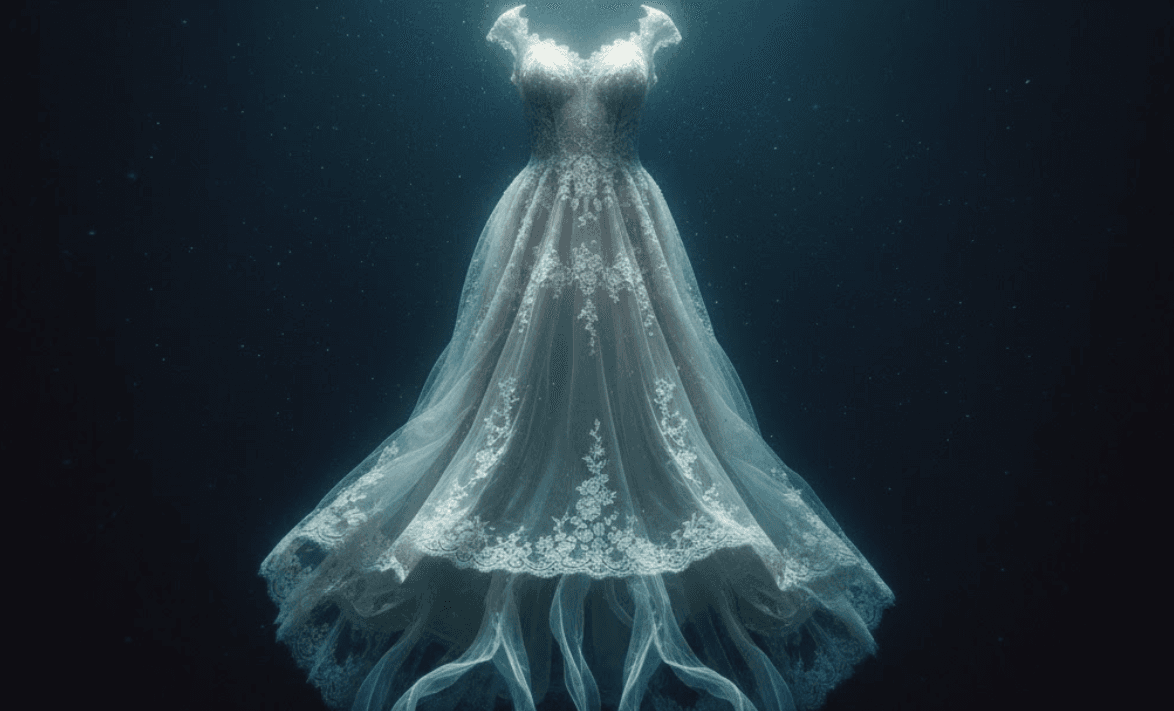
In the Western psychological tradition, a dress represents the 'Persona'—the social mask or identity you present to the world. According to Jungian archetypes, it reflects how you perceive your femininity and social status. A well-fitting dress suggests confidence and alignment between your inner self and external roles, while a torn or ill-fitting dress may signal a struggle with self-image or a fear of vulnerability. It is a powerful subconscious message regarding your desire for transformation, grace, and the roles you embody in your waking life.
Had a dream about dress?
Get your personalized AI interpretation in seconds
Interpretations
Ibn Sirin (Islamic Core)
Ibn Sirin states that a dress in a dream symbolizes protection, religion, and marriage. A long, modest dress reflects righteousness in both worldly and spiritual life, while a new dress heralds goodness, benefit, and a positive shift in circumstances. Conversely, a torn or dirty dress serves as a warning of poverty, revealed secrets, or spiritual shortcomings. For a single woman, a white dress is a glad tiding of marriage, whereas a black dress may symbolize authority or grief depending on the dreamer's personal state.
Al-Nabulsi
Al-Nabulsi interpreted the dress as a representation of a woman's adornment, beauty, and her relationship with her husband or family. A loose, comfortable dress signifies prosperity and abundance in livelihood, while a tight dress reflects distress or a financial and psychological crisis. Wearing a silk dress denotes glory and grandeur, whereas a wool dress signifies asceticism and piety. A green dress is highly auspicious, symbolizing proximity to God and the fulfillment of one's aspirations.
Imam Sadiq
Imam al-Sadiq views the dress in a dream as linked to four aspects: dignity, concealment, righteous deeds, or an imminent marriage. A brightly colored dress signifies joy and happiness entering the household. However, a pale yellow dress may indicate illness or envy. Washing a dress symbolizes repentance from sins and purifying the soul from flaws, while wearing a dress inside out warns of temptations or a reversal of moral principles.
Biblical Tradition
In the Hebrew Bible, a garment symbolizes identity and spiritual clarity; just as Jacob gave Joseph a coat of many colors to distinguish him, a dress represents divine election or special status. White garments symbolize purity, holiness, and divine righteousness. In prophetic visions, exchanging filthy rags for beautiful robes signifies the transition from sin to repentance and from humiliation to dignity. Rent or torn clothing is used to express deep mourning or sincere contrition before the Creator, as seen with David and Job.
Christian Tradition
In the New Testament, the dress symbolizes 'putting on Christ' and the new self. The wedding garment in the parables represents spiritual readiness to enter the Kingdom of Heaven; those without it are cast out, signifying the necessity of grace and good deeds. White robes symbolize victory in spiritual warfare, as mentioned in Revelation regarding the saints who washed their robes in the blood of the Lamb. Here, the dress is not merely adornment but a spiritual armor and a sign of salvation.
Carl Jung (Archetypes)
Carl Jung considers the dress a symbol of the 'Persona,' the social role we play before others. It represents how we wish to be perceived by the external world and may embody the 'Anima' (the feminine aspect) within a man's psyche. If the dress does not fit the dreamer, it indicates a conflict between the true self and social expectations. Choosing a specific dress reflects an individual's attempt to align with the collective unconscious by adopting culturally accepted symbols of identity.
Sigmund Freud (Desire)
Freud views the dress, as a body covering, to be linked with repressed desires and sexual feelings. It is a symbol of femininity and seduction, often reflecting the dreamer's preoccupation with their physical image. Removing a dress in a dream may symbolize a desire to break free from moral constraints or a fear of exposure and vulnerability. Within psychoanalysis, a luxurious dress might indicate narcissistic vanity or a need for attention to compensate for childhood emotional deficiencies.
Zhou Gong
In Chinese tradition, seeing a new dress is a good omen indicating official visits and gaining status. Wearing a beautiful dress suggests you will receive support from influential people. A torn dress warns of family quarrels or public scandal. If a woman gives you a dress, it symbolizes protection or good fortune in trade. Washing clothes symbolizes getting rid of bad luck and the beginning of a new life cycle filled with success and prosperity.
Hindu / Vedic
In Hindu tradition, a dress (especially the Saree) is linked to dignity and feminine chakras. A red dress indicates energy, vitality, and an imminent marriage, while yellow symbolizes spiritual knowledge and healing. A dress woven with gold threads reflects divine blessings and material prosperity. Dreaming of a torn dress warns of a disturbance in one's 'Karma' or facing difficulties in the spiritual path. Wearing a new dress expresses 'Samskara' or the beginning of a pure life stage.
Japanese (Yume Uranai)
In 'Yume Uranai,' a dress represents 'Omote' or the public face. A beautiful dress (Kimono) heralds a happy social event or an improvement in reputation. If the dress is flying in the wind, it may indicate nature spirits (Kami) trying to communicate or a warning of emotional instability. A dark or faded dress might be a 'Kyomu' (ominous dream) foretelling illness or declining fortunes. Sewing a dress symbolizes mending broken relations and building a stable future through patience and meticulousness.
Our AI can analyze your specific dream details in seconds.
Disclaimer: This analysis utilizes AI based on historical and psychological texts for educational and spiritual insight. It does not constitute professional medical or psychological advice.
Don't let the message slip away. Get a profound, personalized analysis that reveals what your subconscious is trying to tell you.