Dream Interpretation of House: Self and Soul
In the Jungian tradition, the house is the primary archetype of the Self. Each floor represents a layer of consciousness: the attic symbolizes the intellect and higher thought, while the basement signifies the deep, hidden subconscious and primal instincts. The condition of the house reflects your internal mental state; discovering new rooms suggests untapped potential and personal growth, whereas a decaying house warns of neglected emotional health and psychic fragmentation.
Had a dream about house?
Get your personalized AI interpretation in seconds
Interpretations
Ibn Sirin (Islamic Core)
Ibn Sirin says the house symbolizes a person's life and body. A new, spacious, and solid house signifies wealth, health, and a good marriage for an individual. If the house is unknown or in a strange location, it may represent the afterlife or the grave. Building a house indicates gaining power or status, while a dark or narrow house suggests distress or a person of bad character. A locked house in a dream is a sign of stability, security, and achieving one's worldly desires.
Al-Nabulsi
Al-Nabulsi interpreted the house as a symbol of safety and domestic tranquility. Moving into a new house represents a promotion or a shift toward a better life. A house made of gold may indicate misfortune or a threat to security, whereas a mud house signifies lawful earnings and piety. Transitioning from a narrow to a wide house symbolizes relief from distress. The state of the house—its cleanliness and structure—reflects the dreamer's relationship with their spouse and their overall mental well-being.
Imam Sadiq
Imam al-Sadiq views the house through eight lenses: a spouse, wealth, security, abundance, money, authority, or prestige. A clean, organized house reflects pure intentions and psychological comfort, while a dirty house suggests sins or family worries. Entering a beautiful, unknown house is glad tidings of answered prayers or a high rank. Demolishing an old house in a dream signifies renewal of faith or inheriting wealth that significantly improves the dreamer's life circumstances.
Biblical Tradition
The Biblical tradition (Old Testament) emphasizes the house as a symbol of lineage, family, and divine protection. The House of the Lord represents holiness. A house built on a rock signifies faith and wisdom, as seen in Proverbs. Joseph’s house in Egypt symbolized stewardship and authority. A ruined house can signify a loss of blessing or judgment for disobedience. Searching for a house mirrors Jacob’s journey for stability and the fulfillment of the divine promise regarding land and offspring.
Christian Tradition
From a Christian perspective, the house represents the spiritual temple and the body as a dwelling for the Holy Spirit. Building a house signifies spiritual labor and the growth of virtues. A spacious house symbolizes God's encompassing love, while a dark house warns of spiritual warfare or separation from divine light. It also represents the Heavenly Kingdom and the hope of eternity. Cleaning the house reflects repentance and purging the soul of sin to prepare for divine grace.
Carl Jung (Archetypes)
Carl Jung viewed the house as a symbol of the self. The different levels represent layers of the psyche: the attic represents the conscious mind and intellect, whereas the basement symbolizes the unconscious and repressed instincts. Discovering new rooms suggests the expansion of self-awareness and the realization of hidden potential. A house in disrepair may signify an internal crisis or the need for psychic integration. The facade reflects the 'Persona'—how we present ourselves to the world.
Sigmund Freud (Desire)
Sigmund Freud interpreted the house as a representation of the human body. Smooth-walled houses typically represent men, while houses with balconies and structural protrusions symbolize women. Moving through various rooms relates to libidinal energy and navigating psychosexual stages. Seeking refuge inside a house often reflects a subconscious desire to return to the safety of the womb or a defense mechanism against childhood traumas and external anxieties.
Zhou Gong
In Chinese tradition, a house symbolizes wealth and social standing. Building a house signifies prosperity and longevity. Seeing grass growing inside a house is a sign of poverty or abandonment, while moving into a grand house predicts a promotion. Repairing the roof ensures financial security, whereas a collapsing wall warns of legal issues or family disputes. Light shining brightly from one's home is an auspicious omen indicating that descendants will achieve great honor and success.
Hindu / Vedic
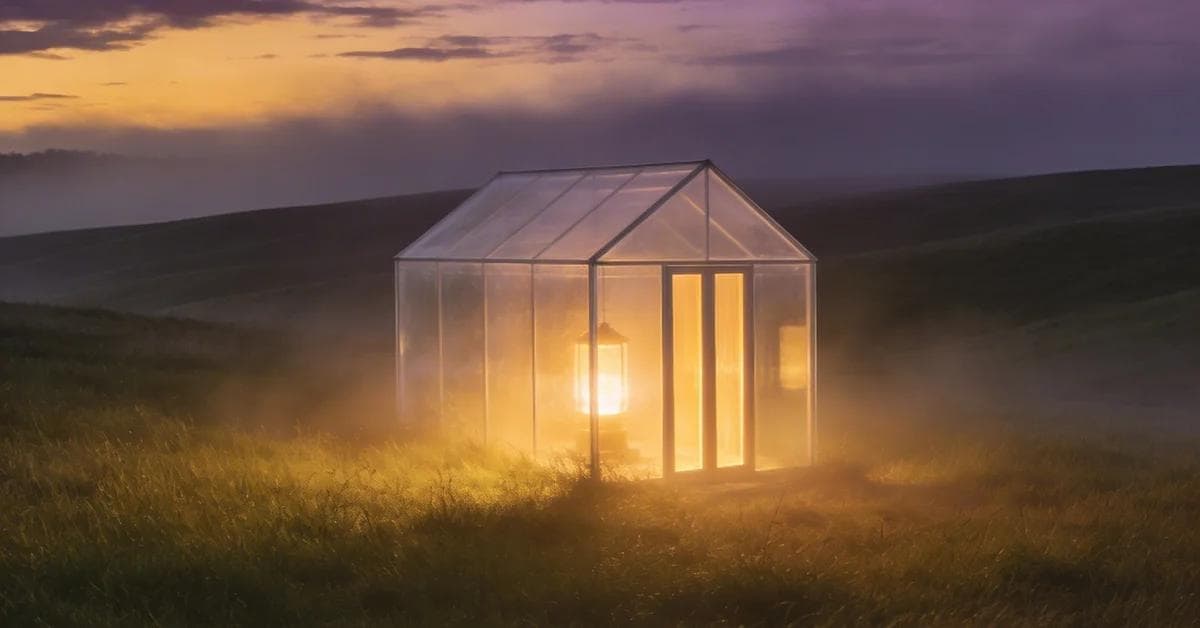
In Hindu culture, the house is 'Vastu,' reflecting the balance between man and the cosmos. A house lit with candles predicts spiritual and material prosperity. Building a house symbolizes good Karma and upward mobility. A dilapidated house warns of a disturbance in 'Prana' or life energy. Entering a strange house suggests new challenges requiring wisdom. In dreams, the house is intrinsically linked to emotional stability and one's connection to family roots and ancestors.
Japanese (Yume Uranai)
In Yume Uranai, the house represents the dreamer's physical and mental state. A sturdy, airy house indicates good luck (Kichimu) and excellent health. A decaying old house warns of illness or declining fortunes. Seeing spirits protecting the home signifies ancestral blessings. Cleaning the kitchen or entrance symbolizes welcoming good news or beneficial guests. Becoming lost inside a large house reflects confusion and lack of focus regarding one's goals in daily life.
Our AI can analyze your specific dream details in seconds.
Disclaimer: This analysis utilizes AI based on historical and psychological texts for educational and spiritual insight. It does not constitute professional medical or psychological advice.
Don't let the message slip away. Get a profound, personalized analysis that reveals what your subconscious is trying to tell you.