Dream Interpretation of Mirror: Self-Reflection
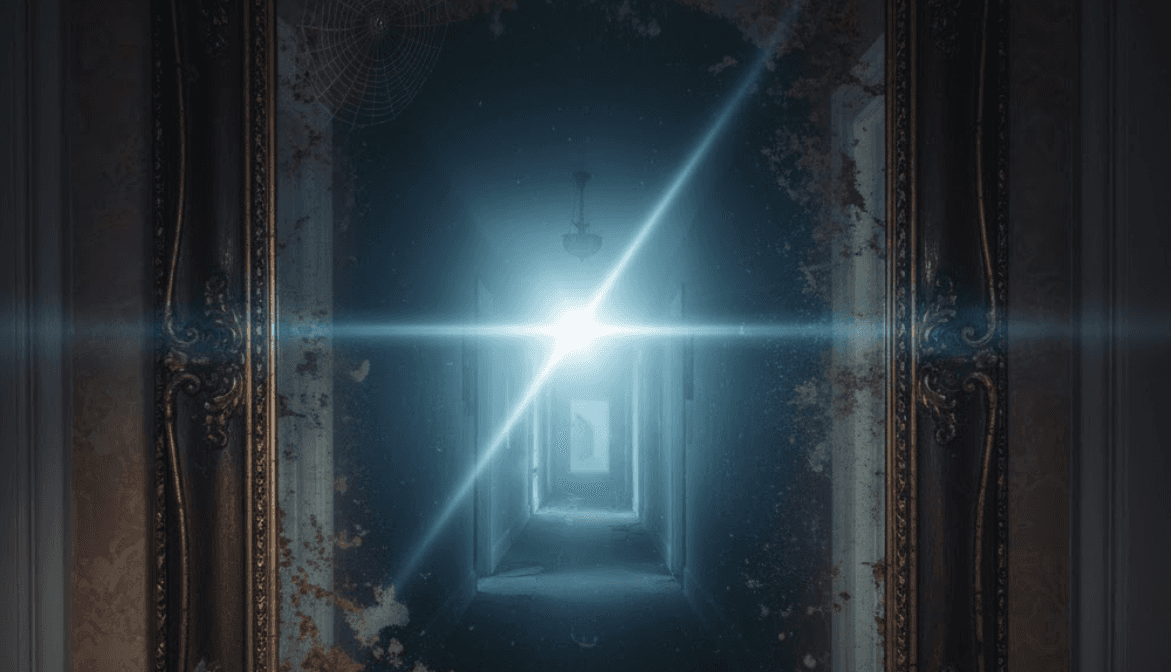
In the Western tradition, the mirror serves as a Jungian archetype for the 'Shadow' and self-reflection. It represents the subconscious bridge between your public persona and your true self. Dreaming of a clear mirror suggests self-awareness and psychological integration, while a cracked or distorted mirror symbolizes a fractured identity, repressed emotions, or a refusal to confront the reality of one's current path.
Had a dream about mirror?
Get your personalized AI interpretation in seconds
Interpretations
Ibn Sirin (Islamic Core)
Ibn Sirin says that a mirror represents a person's manhood and status; seeing a beautiful face in it indicates righteousness and honor. For a single person, it foretells marriage, while for a pregnant woman, it signifies giving birth to a son who resembles his father. However, a broken mirror is an ominous sign suggesting the death of a spouse or a painful separation. Seeing one's face as black in a mirror, despite its actual color, reflects a strong faith and a good reputation among people.
Al-Nabulsi
Al-Nabulsi interpreted the mirror as a symbol of imagination and anxiety, especially if covered in rust, which represents the accumulation of sins and a deteriorating state. Looking into a silver mirror suggests distress regarding one's prestige or wealth, whereas a golden mirror signifies spiritual strength and prosperity. Seeing someone else's reflection instead of your own indicates a loss of identity or a financial calamity. A clean, clear mirror marks the end of worries and the clarity of truth.
Imam Sadiq
Imam al-Sadiq views the mirror as a symbol of a loyal friend or a compatible spouse. A clear, polished mirror is a glad tiding of relief and ease after hardship. In contrast, a broken mirror indicates family disputes and the scattering of affairs. For a young man, looking into a mirror may signify travel or attaining authority, while for a single woman, it signifies an engagement to someone of similar character. Generally, it represents the hidden truth of a person's inner self.
Biblical Tradition
In Biblical traditions, the mirror is associated with spiritual self-examination and repentance, reflecting the divine truth a person must review. The bronze vessels used for mirrors in the Tabernacle signify purification and holiness. Seeing a mirror reminds the dreamer of human frailty and the need to return to God's law. It also symbolizes the awareness that man is created in the Creator's image, demanding integrity and honesty in all dealings.
Christian Tradition
In the New Testament, Saint Paul connects the mirror to our incomplete vision of God ('seeing through a glass, darkly'), suggesting limited earthly knowledge. Dreaming of a mirror invites the believer to reflect on spiritual growth and combat pride. A clear mirror symbolizes a pure soul reflecting Christ's light, while a blurred mirror represents spiritual wandering or engagement in spiritual warfare, necessitating prayer and a return to Church teachings to purify one's vision.
Carl Jung (Archetypes)
Jung considers the mirror a symbol of confronting the 'Shadow' and achieving self-awareness. It reflects the process of introspection where repressed parts of the psyche surface. A distorted reflection suggests a conflict between the Ego and the inner reality. It represents the Anima or Animus, whereby the individual seeks psychological balance by viewing their collective reflection. The mirror prompts the dreamer toward individuation and the realization of the total Self.
Sigmund Freud (Desire)
Freud focuses on the narcissistic aspect of the mirror, viewing it as an expression of libidinal self-love or anxiety regarding physical attraction. It may point to repressed voyeuristic desires or a fear of aging and losing sexual vitality. Breaking a mirror in a dream is interpreted as a fear of impotence or the shattering of the 'idealized self' formed during childhood in relation to parental figures, reflecting early traumas regarding one's identity.
Zhou Gong
According to Zhou Gong, a bright mirror is a highly auspicious omen symbolizing wisdom and clarity in decision-making. If a mirror falls but does not break, it signifies escaping a hidden plot. However, a breaking mirror is an inauspicious sign predicting the separation of a couple or declining health. Seeing a dark reflection is a warning against evil spirits or impending misfortune. Giving a mirror to another person implies the transfer of authority or the sharing of vital secrets.
Hindu / Vedic
In Hindu tradition, the mirror (Darpana) represents the reflection of the Atman or the supreme soul. Dreaming of a clean mirror indicates pure Karma and spiritual elevation. A broken mirror suggests the scattering of vital energy and a loss of meditative focus (Dhyana). Seeing oneself fully adorned in a mirror foretells social success and marriage. It serves as a tool to reveal Maya (illusion); an unfamiliar reflection suggests the dreamer must break free from material delusions.
Japanese (Yume Uranai)
In Yume Uranai, the mirror is sacred, linked to the sun goddess Amaterasu. A clear mirror (Kichimu) symbolizes good fortune, spiritual strength, and sincerity. A cloudy mirror (Kyomu) warns of deception or illness. Japanese tradition treats the mirror as a reflection of the soul; breaking it is a very bad omen threatening the home's balance. Seeing a hidden mirror suggests ancient family secrets that will soon be revealed to the public.
Our AI can analyze your specific dream details in seconds.
Disclaimer: This analysis utilizes AI based on historical and psychological texts for educational and spiritual insight. It does not constitute professional medical or psychological advice.
Don't let the message slip away. Get a profound, personalized analysis that reveals what your subconscious is trying to tell you.