Dream Interpretation of Mountain: Ambition and Success
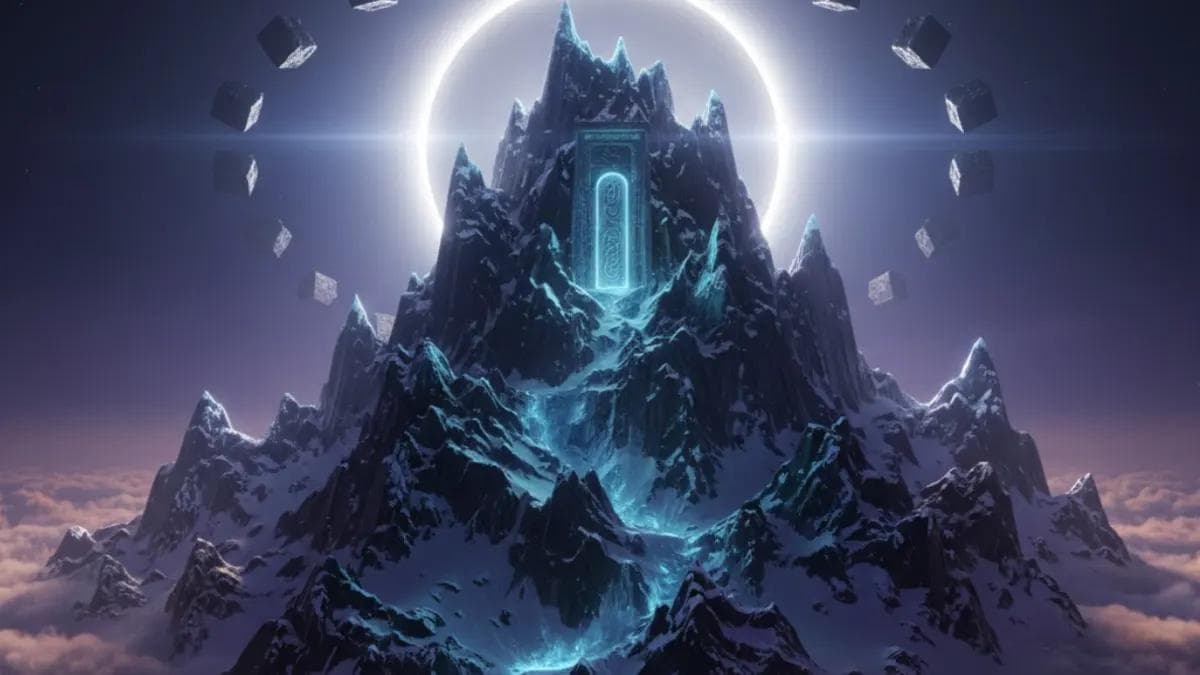
In Jungian psychology, the Mountain is a potent archetype representing the 'Self' and the spiritual journey toward individuation. It symbolizes a monumental challenge or a higher state of consciousness. Climbing signifies the arduous process of personal growth and overcoming subconscious hurdles. Reaching the summit reflects achieving clarity, a broader perspective, or self-realization. Conversely, a crumbling mountain suggests an internal crisis or the collapse of long-held ego structures.
Had a dream about mountain?
Get your personalized AI interpretation in seconds
Interpretations
Ibn Sirin (Islamic Core)
Ibn Sirin says that a mountain represents a man of high rank, firm resolve, and potentially a harsh heart, or it symbolizes a lofty position and invincible authority. Seeing oneself climbing a mountain indicates reaching goals and fulfilling needs proportional to the height reached; an easy ascent suggests success without hardship. Conversely, falling from a mountain signifies falling into sin or failure in one's pursuits. Demolishing a mountain symbolizes defeating a powerful enemy or the end of a great reign, while standing atop one heralds honor, prestige, and proximity to leaders.
Al-Nabulsi
Al-Nabulsi interpreted the mountain as evidence of high ranks, scholars, rulers, and ascetic worshippers. A lush green mountain with water signifies a just ruler or sincere piety, whereas a dry, barren mountain symbolizes a disbelieving ruler or a useless, hard-hearted person. If a mountain moves in a dream, it may indicate a disturbance in the state's leadership or authority in that location. Hiding in a mountain cave suggests attaining security from fear and securing a position or guardianship that protects the dreamer from the plots of enemies.
Imam Sadiq
Imam al-Sadiq views the mountain in a vision as interpreted through several lenses: kingship, authority, victory over enemies, and leadership. Whoever sees themselves living on a mountain will attain greatness and elevation; if a seeker of knowledge, they will become a renowned jurist. A stable mountain represents certainty in faith and strength in truth, while a shaking mountain symbolizes strife affecting leaders or notable figures. Seeing mountains moving along with the dreamer indicates traveling in the company of influential people and gaining great benefits from those associations.
Biblical Tradition
In the Biblical tradition (Old Testament), the mountain is a place of encounter with God and revelation, as on Mount Sinai with Moses. Mountains symbolize eternal strength and the steadfastness of God's promises. Seeing a mountain may indicate massive challenges requiring faith that 'moves mountains,' or refer to the heavenly Kingdom of God and Holy Zion. High mountains symbolize human pride that will be brought low, or a secure refuge in times of trouble, where eyes are lifted toward the hills in expectation of divine help.
Christian Tradition
In the Christian perspective and New Testament, the mountain is associated with transfiguration, prayer, and spiritual ascent, as on the Mount of Transfiguration where Christ's glory appeared. Climbing a mountain symbolizes the pursuit of holiness and spiritual warfare to overcome worldly lusts. The mountain is a pulpit for divine teaching (Sermon on the Mount) and a symbol of the strong Church built on the rock of faith. Standing on a mountain signifies victory in spiritual warfare and dominion over hardships through divine grace, while mountain mist represents divine mysteries requiring deep spirituality to decipher.
Carl Jung (Archetypes)
Carl Jung views the mountain as a symbol of the 'Self' at its peak of development, representing the axis mundi and transcendent consciousness. Climbing a mountain symbolizes the process of individuation, the search for spiritual meaning, and rising above the conflicts of daily life. The summit represents the moment of enlightenment and gaining a broader perspective of existence, while rugged slopes symbolize psychological obstacles and 'shadows' that must be confronted. The mountain represents the archetypes of permanence and psychic strength within the collective unconscious, calling one to discover latent potentials.
Sigmund Freud (Desire)
Freud focuses his interpretation of the mountain on instinctive and physical aspects, often linking topographical formations to the human body and repressed desires. Climbing a mountain might unconsciously represent the effort to overcome sexual repression or the desire to prove virility and dominance. He also suggests that slopes and mountain valleys may symbolize the mother's womb or the protection an individual seeks in returning to a state of childhood security. For Freud, the mountain represents the Ego's struggle between high aspirations and repressed primitive instincts.
Zhou Gong
According to Zhou Gong traditions, a mountain is a symbol of stability, tranquility, and abundance. Seeing a majestic high mountain foretells long-lasting luck and continuous success. If a person dreams of carrying a mountain, it means they will gain great wealth and significant responsibility. Successfully ascending a mountain indicates professional advancement or promotion, while living in the mountains symbolizes longevity and protection from illness. However, seeing a mountain collapse is considered an inauspicious omen of failing fortunes or the loss of a strong protector in the family.
Hindu / Vedic
In Hindu traditions, the mountain is the abode of the gods, such as Mount Kailash, the residence of Shiva. Seeing a mountain symbolizes supreme spiritual knowledge (Atma-Vidya) and divine protection. Mountains are symbols of resilience and rising above the material world to reach liberation (Moksha). Climbing a mountain in a dream is considered a spiritual pilgrimage, indicating that the dreamer is on a path to purifying themselves from Karma. Snow-capped mountains symbolize purity, absolute tranquility, and sensory control, serving as an omen of blessing and elevated consciousness.
Japanese (Yume Uranai)
In Yume Uranai beliefs, mountains hold special sanctity as abodes of spirits (Kami). Seeing a majestic mountain, especially Mount Fuji, is one of the most auspicious dreams (Kichimu), foretelling great luck and brilliant success. The mountain represents strong support and natural protection. Climbing a mountain symbolizes self-growth and reaching a respected status in society. If the mountain is covered in mist, it may indicate mysterious secrets or a need for patience in choosing a path, while springs in a mountain signify clarity and both spiritual and material abundance.
Our AI can analyze your specific dream details in seconds.
Disclaimer: This analysis utilizes AI based on historical and psychological texts for educational and spiritual insight. It does not constitute professional medical or psychological advice.
Don't let the message slip away. Get a profound, personalized analysis that reveals what your subconscious is trying to tell you.