Dream Interpretation of River: Flow and Change
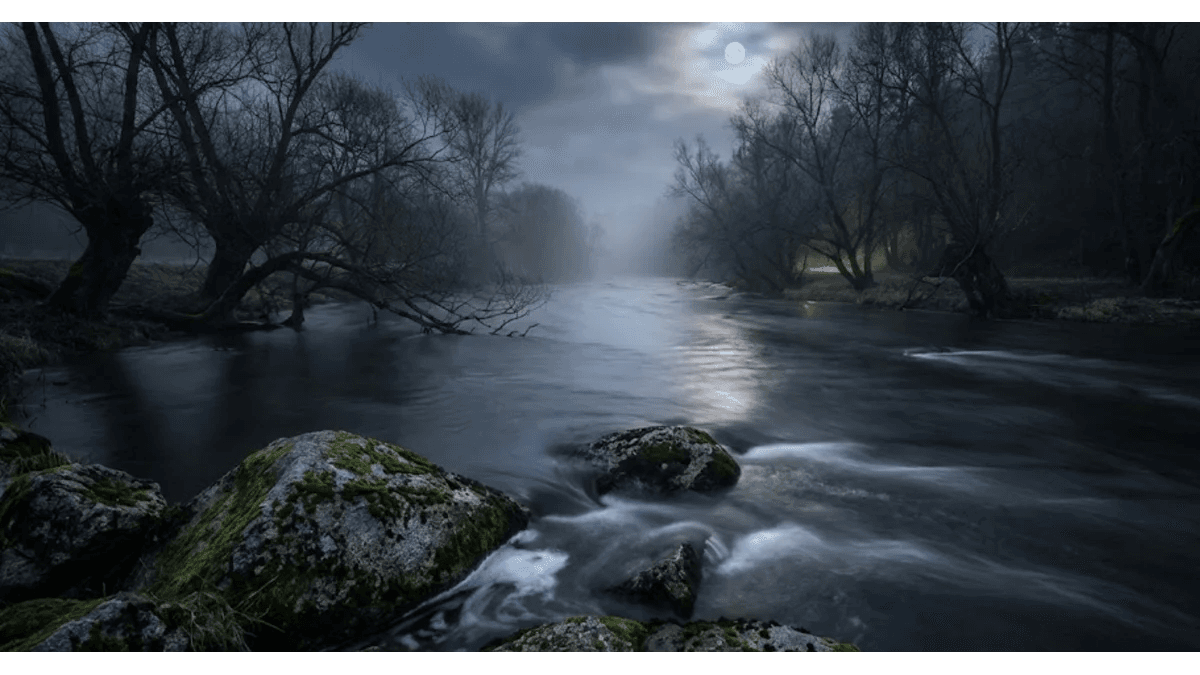
In the Western tradition, the river is a powerful Jungian archetype representing the flow of the subconscious and the 'stream of life.' It symbolizes the passage of time, emotional transitions, and the inevitable movement toward the collective unconscious (the sea). A calm river reflects psychological harmony, while a turbulent current signals internal conflict or overwhelming emotions that require navigation.
Had a dream about river?
Get your personalized AI interpretation in seconds
Interpretations
Ibn Sirin (Islamic Core)
Ibn Sirin says the river symbolizes a man of great nobility, power, and authority, such as a king or a ruler. Drinking from a clear river suggests receiving benefits and wealth relative to the amount swallowed. However, falling into a river indicates entanglement with powerful figures. If a river flows through a market, it signifies the ruler's justice, whereas flowing over rooftops indicates oppression. It also represents a long journey or beneficial knowledge spreading among people, while swimming against its current reflects confronting great hardships.
Al-Nabulsi
Al-Nabulsi interpreted the river as a person of high status and dignity, symbolizing travel, continuous sustenance, or knowledge. Dreaming of the River Kawthar is a sign of victory over enemies and following the Prophetic guidance. Crossing from one bank to another signifies escaping fear, overcoming anxieties, and triumphing over adversaries. A clear river predicts blessings in health and wealth, whereas a turbid or muddy river symbolizes grief, worries, or illness. Entering a river may signify entering the service of a person of high rank.
Imam Sadiq
Imam al-Sadiq views the river in visions as having eight interpretations: Hajj, prestige, guardianship, blessings, trade, leadership, knowledge, and victory. A clear river represents purity of heart and lawful livelihood, while a dry river signifies hardship and loss of hope. Performing ablution with river water indicates sincere repentance and purification from sins. Sitting on a riverbank reflects psychological stability and associating with people of knowledge and virtue, and it may also suggest waiting for significant news that changes one's life path.
Biblical Tradition
In the Hebrew Bible, the river symbolizes divine blessing and spiritual life, like the river flowing out of Eden to water the garden. It also represents divine protection, as the Nile was the place of Moses' rescue. Crossing the Jordan signifies the transition from bondage and distress to the Promised Land and freedom. In Ezekiel’s visions, the river represents healing and fertility, flowing from the Temple to give life to everything. The river also embodies the Word of God that quenches the thirsty soul and establishes the believer like a tree planted by streams of water.
Christian Tradition
In the New Testament and Christian tradition, the river is linked to baptism and spiritual renewal in the Holy Spirit. 'Rivers of living water' flowing from the believer's heart signify God's presence. In Revelation, a 'river of the water of life,' clear as crystal, flows from the throne of God, symbolizing eternity and the final healing of nations. The river also represents the Church's mission in spreading faith. Swimming in the river suggests surrendering to God's will, while crossing the river symbolizes bodily death and the transition to eternal life with Christ.
Carl Jung (Archetypes)
Carl Jung interpreted the river as a symbol of the 'Collective Unconscious' and the flow of psychic energy through time. The waterway represents the individual’s path of spiritual and emotional development; swimming with the current suggests harmony with the self and acceptance of the 'Individuation' process. Conversely, floods reflect repressed emotions overwhelming the conscious mind. The river encodes the concept of constant transformation (Panta Rhei), asserting that one never steps into the same river twice, signaling personality maturation and identity renewal.
Sigmund Freud (Desire)
For Sigmund Freud, the river and water generally relate to libidinal desires and birth. The steady flow of a river symbolizes repressed sexual energy or the 'free association' of thoughts. Diving into a river may indicate a subconscious desire to return to the womb (total security) or memories linked to early childhood. A turbulent river might reflect repressed traumas or a fear of overwhelming emotional or sexual experiences. Freud focuses on the river as a vessel for vital fluids expressing the fundamental instinctual drives of the human psyche.
Zhou Gong
In Chinese tradition, the river symbolizes the flow of 'Qi' or life energy. Seeing a river with crystal-clear water is a sign of great fortune and success in business. If the river overflows, it portends sudden wealth or new opportunities. However, crossing a turbulent river suggests dangers and obstacles ahead. If the water is still like a mirror, it indicates inner peace and longevity. A dry riverbed is considered an inauspicious omen, warning of lost opportunities or declining health.
Hindu / Vedic
In Hindu belief, the river (especially the Ganges) is a sacred entity, a 'Devi' that purifies the soul from bad Karma. Dreaming of a river symbolizes spiritual cleansing, rebirth, and liberation (Moksha). Bathing in a river indicates washing away sins and drawing closer to the divine. A river flowing toward the ocean represents the individual soul's journey to unite with cosmic consciousness. A calm river promises serenity, while a raging torrent warns of the irresistible power of destiny (Dharma) that requires complete surrender.
Japanese (Yume Uranai)
In 'Yume Uranai' culture, the river (Kawa) represents the boundary between the world of the living and the spirit realm. Seeing a calm river is a 'Kichimu' (auspicious dream) indicating longevity and the flow of luck. However, crossing a river can be an omen of illness or the imminent transition to the afterlife (Sanzu no Kawa). Fishing in a river symbolizes gaining treasure or wisdom from nature. Rivers in dreams are often associated with water 'Kami,' requiring the dreamer to respect natural forces and maintain harmony within their social environment.
Our AI can analyze your specific dream details in seconds.
Disclaimer: This analysis utilizes AI based on historical and psychological texts for educational and spiritual insight. It does not constitute professional medical or psychological advice.
Don't let the message slip away. Get a profound, personalized analysis that reveals what your subconscious is trying to tell you.