Dream Interpretation of Sea: Emotions & Calm
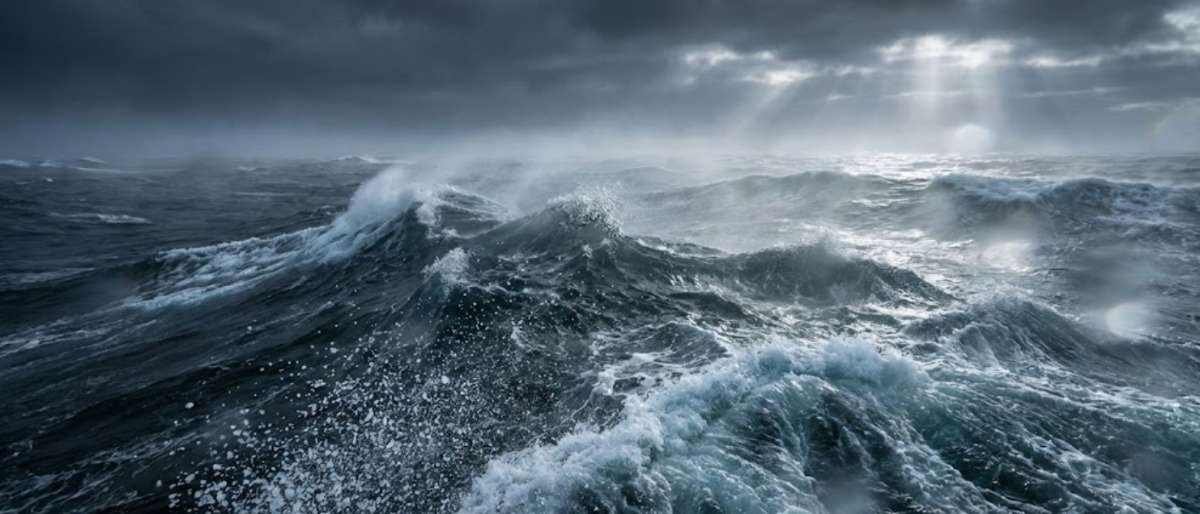
The sea symbolizes the collective unconscious, representing vastness, depth, and untapped potential. Calm seas suggest tranquility and emotional stability, while turbulent seas signify inner turmoil or overwhelming emotions. Dreaming of the sea can indicate a journey of self-discovery, exploration of hidden aspects of the self, or a need to confront and integrate repressed feelings. Its depths also represent the mysteries of life and the search for meaning.
Had a dream about sea?
Get your personalized AI interpretation in seconds
Interpretations
Ibn Sirin (Islamic Core)
Ibn Sirin says: The sea in a dream symbolizes a great sultan or a knowledgeable scholar. If a believer sees a calm sea, it indicates an abundance of sustenance and plentiful goodness, and may point to security and stability in life. However, if the sea is raging, it is considered a warning of trials and tribulations, necessitating repentance and seeking forgiveness. Riding the sea may mean traveling or bearing great responsibilities, and drowning in it indicates sins and transgressions that must be avoided.
Al-Nabulsi
Al-Nabulsi interpreted the sea as the world and its fleeting pleasures and deceptions. A calm sea indicates a stable and prosperous life, while a stormy sea represents trials and conflicts. Diving into the sea may symbolize the search for knowledge or taking risks for the sake of livelihood. Drinking seawater suggests obtaining power or wealth, but with some hardship and fatigue. Seeing ships on the sea reflects hope and salvation from difficulties.
Imam Sadiq
It is narrated from Imam Sadiq that the sea indicates four meanings: authority, knowledge, the world, and fear. Whoever sees a clear sea, it indicates a just ruler, beneficial knowledge, and a good life. As for the stormy sea, it indicates an unjust ruler, harmful knowledge, and a tempting world. Swimming in the sea indicates diligence in seeking knowledge or sustenance, and drowning in it indicates negligence of the afterlife and preoccupation with the world.
Biblical Tradition
In the Hebrew Bible, the sea often represents chaos and forces threatening order. In Genesis, the Spirit of God hovered over the face of the waters before creation. The parting of the Red Sea in Exodus represents the salvation of the Israelites from slavery. The sea often symbolizes the pagan nations hostile to Israel. The vision may warn of spiritual dangers or the need to rely on God in the face of adversity.
Christian Tradition
In Christianity, the sea often symbolizes the turbulent and tempting world. The storms within it can represent the trials and temptations faced by believers. Jesus's calming of the stormy sea in the Gospels demonstrates his authority over nature and his ability to calm our fears. Seeing the sea may indicate the need to trust in God during difficult times or to turn away from worldly temptations.
Carl Jung (Archetypes)
Jung sees the sea as representing the collective unconscious, the vast reservoir of universal symbols shared by all humanity. It represents the primordial mother, the source of life and creation, but also a place of mystery and the unknown. Its appearance in dreams may signify confronting deep aspects of the self or exploring untapped potential. It can also symbolize the anima/animus, the feminine/masculine aspect of the personality.
Sigmund Freud (Desire)
Freud believed the sea represents the deep unconscious and is often linked to repressed desires and the libido. It can symbolize the maternal womb, a return to a childhood state, or a desire for security and protection. Drowning in the sea may indicate feeling overwhelmed by emotions or not being able to control instinctual drives. It can also reflect internal conflicts about sexual identity or childhood traumas.
Zhou Gong
Seeing a calm sea is an auspicious omen signifying peace and prosperity. Seeing a rough sea is considered an inauspicious sign, heralding troubles or unexpected problems. Walking on the sea is a sign of success and achieving goals. Drowning in the sea indicates bad luck and great difficulties.
Hindu / Vedic
In Hinduism, the sea often represents the cosmic ocean, the source of all existence. It can also symbolize the collective unconscious and contains treasures of spiritual wisdom. Seeing the sea may indicate the need to delve into the depths of the self, to seek spiritual truth, or to understand the nature of illusion (Maya) that envelops the world.
Japanese (Yume Uranai)
In Yume Uranai (Japanese dream divination), the sea represents power, mystery, and change. A calm sea can be Kichimu (an auspicious omen), indicating peace and harmony. However, a rough sea is a Kyomu (inauspicious omen), suggesting potential troubles or emotional storms. Nature spirits (Kami) are believed to inhabit the sea and may appear in dreams to offer guidance.
Our AI can analyze your specific dream details in seconds.
Disclaimer: This analysis utilizes AI based on historical and psychological texts for educational and spiritual insight. It does not constitute professional medical or psychological advice.
Don't let the message slip away. Get a profound, personalized analysis that reveals what your subconscious is trying to tell you.