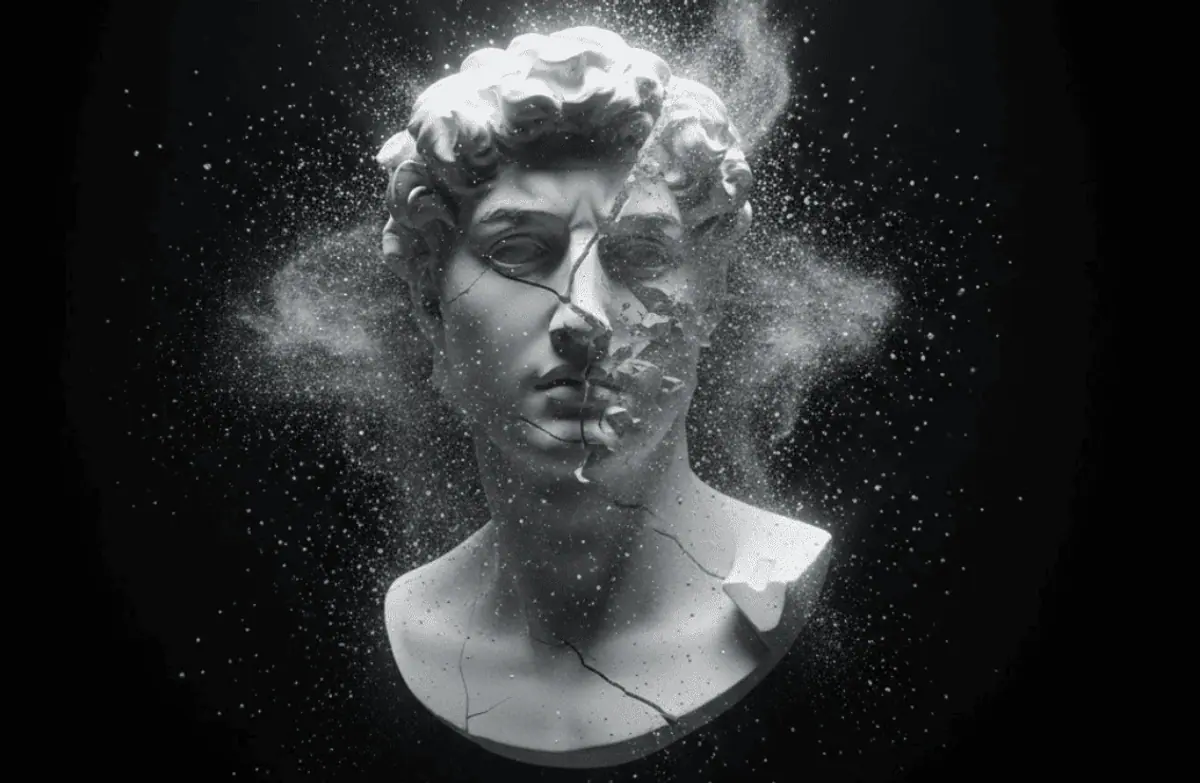
What does it mean to dream about killing someone?
Killing in dreams often symbolizes the ending of an important part of life, such as an old habit, belief, or aspect of the self. Jung viewed it as psychological transformation or an encounter with the Shadow, while Freud associated it with repressed aggression, hidden desires, threats to the ego, and unresolved conflict.
Is dreaming of killing someone good or bad?
WarningUsually a warning, not a prediction. Dreaming of killing someone tends to point to something that needs your attention; the details and how you felt decide how serious it is.
Does this dream keep waking you up? See our guide to nightmares and how to stop them.
Killing in dreams symbolizes the ending of something significant in your life. Psychologically, it often represents the destruction of old habits, beliefs, or aspects of the self that no longer serve you. It suggests a need for transformation and can signify repressed anger or a desire to eliminate negative influences. The specific context of the dream determines whether this ending is ultimately positive, signaling growth, or negative, indicating regret or unresolved conflict.
Get your personalized AI interpretation in seconds
How each tradition reads dreams about killing someone
Carl Jung (Archetypes)
Man and His Symbols (1964)
Carl Jung views killing in dreams as symbolizing the death of a part of the self or the abandonment of an old aspect of personality. Killing may also represent an encounter with the 'Shadow,' the dark and undesirable side of the psyche. If the dreamer is the killer, it may reflect their desire to get rid of negative qualities or behaviors. Killing is considered a symbol of psychological transformation necessary for growth.
Sigmund Freud (Desire)
The Interpretation of Dreams (1899)
Freud views killing in dreams as often expressing repressed desires and hidden aggression in the unconscious. Killing may represent a desire to get rid of a person or something that represents a threat to the ego. For Freud, killing can also be linked to sexual jealousy or competition between family members. Dreams involving killing are often linked to childhood traumas and repressed sexual desires.
Other traditions
Ibn Sirin (Islamic Core)
Muntakhab al-Kalam fi Tafsir al-Ahlam (attributed)
Ibn Sirin says that killing in a dream may indicate victory over enemies and overcoming difficulties, and may also indicate the achievement of wishes and goals. However, killing could be a warning (Nadhir) against committing sins and disobedience, calling the seer to repent and return to God. If a person sees himself killing someone he knows, it may signify that he is causing them harm in some way. And Allah knows best.
Al-Nabulsi
Ta'tir al-Anam fi Ta'bir al-Manam
Al-Nabulsi interpreted killing in a dream as possibly symbolizing the dreamer obtaining great benefit after effort and hardship, and it may indicate the dreamer gaining authority or influence. However, killing may also reflect a feeling of regret or guilt towards someone. If the person killed is known to the dreamer, it may indicate a debt or duty that has not been fulfilled towards that person. And Allah knows the truth.
Imam Sadiq
Imam Sadiq believes that killing in a dream often indicates a significant change in the dreamer's life, whether this change is positive or negative. It may indicate getting rid of worries and problems, or it may herald the arrival of a misfortune or trial. If the dreamer is the killer, this may reflect their feeling of injustice or oppression in their real life. And God knows best.
Biblical Tradition
The Bible (Old Testament)
In the Bible, killing often symbolizes the dire consequences of sin and aggression. The story of Cain and Abel (Genesis 4) shows that envy can lead to murder. Dreaming of killing may be a warning to repent of envy and anger before they lead to dire outcomes. Dreams are often a reminder of the Ten Commandments 'Thou shalt not kill'.
Christian Tradition
In Christianity, killing may represent a spiritual struggle with the forces of evil or overcoming sin. This dream could be a call to repentance and seeking forgiveness. The dream may reflect the need to kill the old self and live a new life in Christ. The Bible encourages believers to 'put to death the deeds of the body' (Romans 8:13).
Zhou Gong
Zhou Gong Jie Meng (周公解梦)
Killing someone: Impending bad luck. Killing an animal: Good fortune coming. Seeing someone else kill: Warning of danger. Killing a monster: Victory over difficulties. Killing an enemy: A new beginning.
Hindu / Vedic
In Hinduism, killing in a dream may symbolize the destruction of illusions or injuring the ego. It may indicate the need to eliminate certain aspects of the self for spiritual growth. Killing a demon may represent overcoming 'maya,' the illusion of the material world. Dreams are often seen as messages from the subconscious.
Japanese (Yume Uranai)
In Yume Uranai, killing may indicate the end of a cycle and the beginning of a new one. If the killing is accidental, it could be a Kyomu (bad omen) indicating misfortune. However, if the killing is in self-defense, it is a Kichimu (good omen) signifying overcoming difficulties. Nature spirits often communicate through dreams.
Don't let the message slip away. Get a profound, personalized analysis that reveals what your subconscious is trying to tell you.
Interpret your Killing dream with AICommon Questions & Scenarios
What does it mean to dream about killing someone I know? Does it signify bad luck?
What does it mean to dream about killing an animal? Does it represent strength or weakness?
What does it mean to dream about killing a stranger I don't know? Is it good luck or bad luck?
What is the interpretation of dreaming about killing someone in self-defense? Am I a violent person?
What does it mean to dream about someone killing me? Does it indicate a fear of death?
Written with AI from the traditions named on this page and maintained by the FASSIR English Editor. Last updated . How we interpret dreams
Disclaimer: This analysis utilizes AI based on historical and psychological texts for educational and spiritual insight. It does not constitute professional medical or psychological advice.