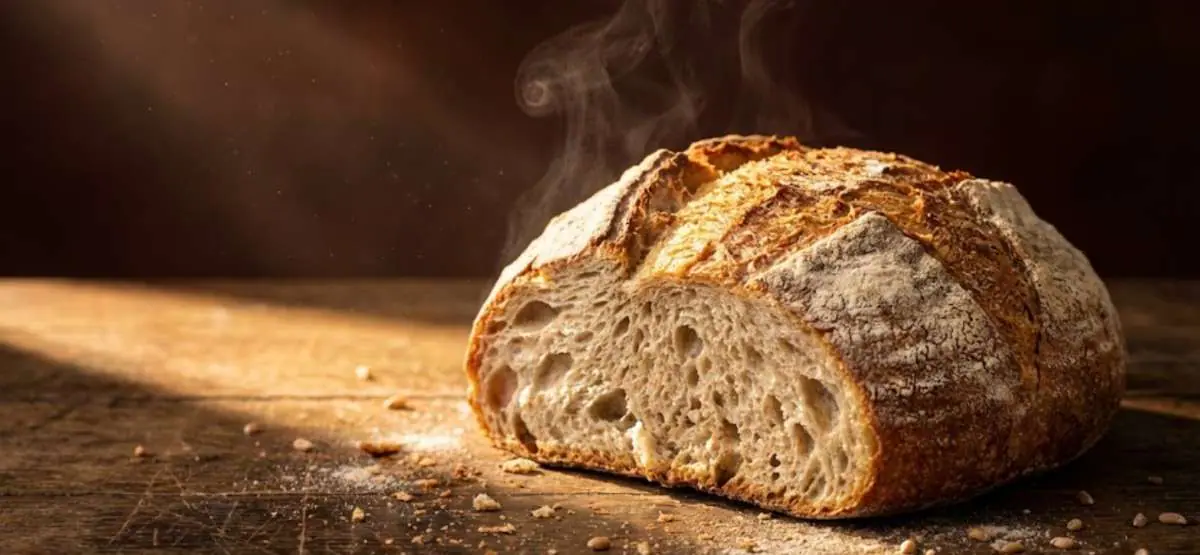
What does it mean to dream about food?
Dreaming of food often reflects psychological nourishment, basic needs, desire, and pleasure. Jung viewed it as psychic energy needed for growth, while spoiled food may reveal negative emotions requiring acknowledgment. Abundant food can suggest satisfaction, whereas hunger or deprivation may point to unmet emotional needs; sharing food expresses fellowship and generosity.
Is dreaming of food good or bad?
Good signMostly a good sign. Dreaming of food is usually read as positive, though what happened in the dream and how you felt still change the meaning.
Dreamed this during Ramadan? Read about Ramadan dreams and Laylat al-Qadr.
Dreaming of food often reflects our basic needs and desires, symbolizing nourishment, sustenance, and pleasure. Psychologically, it can highlight unmet emotional needs or a feeling of being deprived. Abundant food may represent abundance and satisfaction, while spoiled food could indicate anxieties or repressed emotions that are 'going bad.' The specific type of food and the context of the dream provide further clues to understand the subconscious message, often relating to personal growth and self-care.
Get your personalized AI interpretation in seconds
How each tradition reads dreams about food
Carl Jung (Archetypes)
Man and His Symbols (1964)
Jung sees food in dreams as representing psychological nourishment. It is a symbol of the psychic energy that an individual needs for growth and development. Food can also represent repressed aspects of the personality that need to be acknowledged and integrated. Spoiled or undesirable food may be evidence of negative emotions that need to be addressed.
Additionally, food in the dream may represent the mother, or the feminine energy (Anima) that nourishes and supports the individual emotionally. The nature of the food reflects the quality of this relationship.
Sigmund Freud (Desire)
The Interpretation of Dreams (1899)
Freud associates food in dreams with repressed desires and sexual instincts. Eating voraciously may represent sexual gratification or the search for it. Food may also symbolize the mother and the breast, and the comfort it provides in childhood. Difficulty eating may indicate internal conflicts and problems with gratification.
Loss of appetite or aversion to food may be an expression of rejecting sexual desires or psychological traumas in childhood. Analyzing the context of the dream and the person's relationship with food is essential to understanding these symbols.
Other traditions
Ibn Sirin (Islamic Core)
Muntakhab al-Kalam fi Tafsir al-Ahlam (attributed)
Ibn Sirin says that food in a dream symbolizes sustenance and blessings. If the food is delicious, it indicates goodness and abundance in the dreamer's life. However, spoiled or bitter food may indicate upcoming difficulties or trials. The dreamer should seek forgiveness and give charity if they see undesirable food to avoid evil.
The interpretation of food depends on its type; bread indicates a decent life, and meat indicates strength and health. If a person sees themselves distributing food, it indicates their generosity and benevolence towards others, which is commendable and acceptable to Allah.
Al-Nabulsi
Ta'tir al-Anam fi Ta'bir al-Manam
Al-Nabulsi interpreted food in a dream as an indication of worldly life and its pleasures. Good food indicates a good life and comfort, while bad food indicates worries and troubles. Food may also indicate knowledge and learning if the person is eating it with appetite and learning from it.
If a person sees themself cooking food, it may indicate their ability to manage their affairs and achieve their goals. However, if they see themself eating alone, it may indicate selfishness and a lack of sharing, which is undesirable.
Imam Sadiq
It is narrated from Imam Sadiq (as) that food in a dream can represent different aspects of spiritual and material life. Halal food indicates good deeds and piety, while haram food may indicate sins and transgressions. The dreamer should reflect on the source and provision of the food.
If food is offered to others, this indicates generosity and kindness. However, if food is stolen or taken by force, this indicates injustice and dishonesty. Care must be taken to ensure that the source of livelihood is halal and pure.
Biblical Tradition
The Bible (Old Testament)
In the Bible, food often represents divine provision and the covenant with God. The story of manna in the wilderness shows how God fed the Israelites with heavenly food. Food in dreams can represent God's blessings and care. Hunger or lack of food may indicate times of hardship or the need to rely on God.
Just as Joseph interpreted Pharaoh's dreams of the fat and lean cows, dreams about food can foreshadow periods of abundance or famine.
Christian Tradition
In Christianity, food symbolizes fellowship with God and spiritual nourishment. The Lord's Supper refers to the body and blood of Christ, a symbol of sacrifice and salvation. Food in dreams may represent the need for spiritual nourishment through the word of God and prayer.
Lack of food may indicate spiritual hunger or separation from God. Sharing food with others expresses Christian love and generosity, as the Apostle Paul taught in his letters.
Zhou Gong
Zhou Gong Jie Meng (周公解梦)
In Chinese dream interpretation (Zhou Gong), food often represents wealth and prosperity. If you dream of eating a feast, this is an auspicious sign of good fortune and upcoming success. However, if the food is scarce or stolen, it may indicate financial loss or bad luck. The type and condition of the food add subtle details to the interpretation.
Eating fresh fruit is a good omen, while eating raw meat may warn of illness or danger. Observe the details of the dream carefully.
Hindu / Vedic
In Hinduism, food (Anna) has profound spiritual significance, representing both material and spiritual nourishment. Prasada, the blessed food offered to deities and then shared, is highly valued. Dreams about food can indicate various aspects of life: abundance, scarcity, or the state of one's physical and spiritual health.
Eating food together can signify community and unity, while rejecting or spoiled food might suggest detachment or unhealthy affairs. The type of food and its context often calls for a more nuanced interpretation.
Japanese (Yume Uranai)
In Japanese dream interpretation (Yume Uranai), food represents vital energy and prosperity. Fresh and delicious food can indicate good health and good fortune (Kichimu). However, rotten or unpalatable food may indicate health problems or upcoming financial troubles (Kyomu).
The exact interpretation depends on the type of food. White rice signifies stability and prosperity, while raw fish may represent adventure or risk-taking. Pay attention to the subtle details in the dream to fully understand the message.
Don't let the message slip away. Get a profound, personalized analysis that reveals what your subconscious is trying to tell you.
Interpret your Food dream with AICommon Questions & Scenarios
What does it mean to dream of a lot of rotten food?
What does it mean to dream of preparing food for a dead person?
What does it mean to dream of stealing food?
What does it mean to dream of eating ravenously?
What does it mean to dream of distributing food to the poor?
Written with AI from the traditions named on this page and maintained by the FASSIR English Editor. Last updated . How we interpret dreams
Disclaimer: This analysis utilizes AI based on historical and psychological texts for educational and spiritual insight. It does not constitute professional medical or psychological advice.