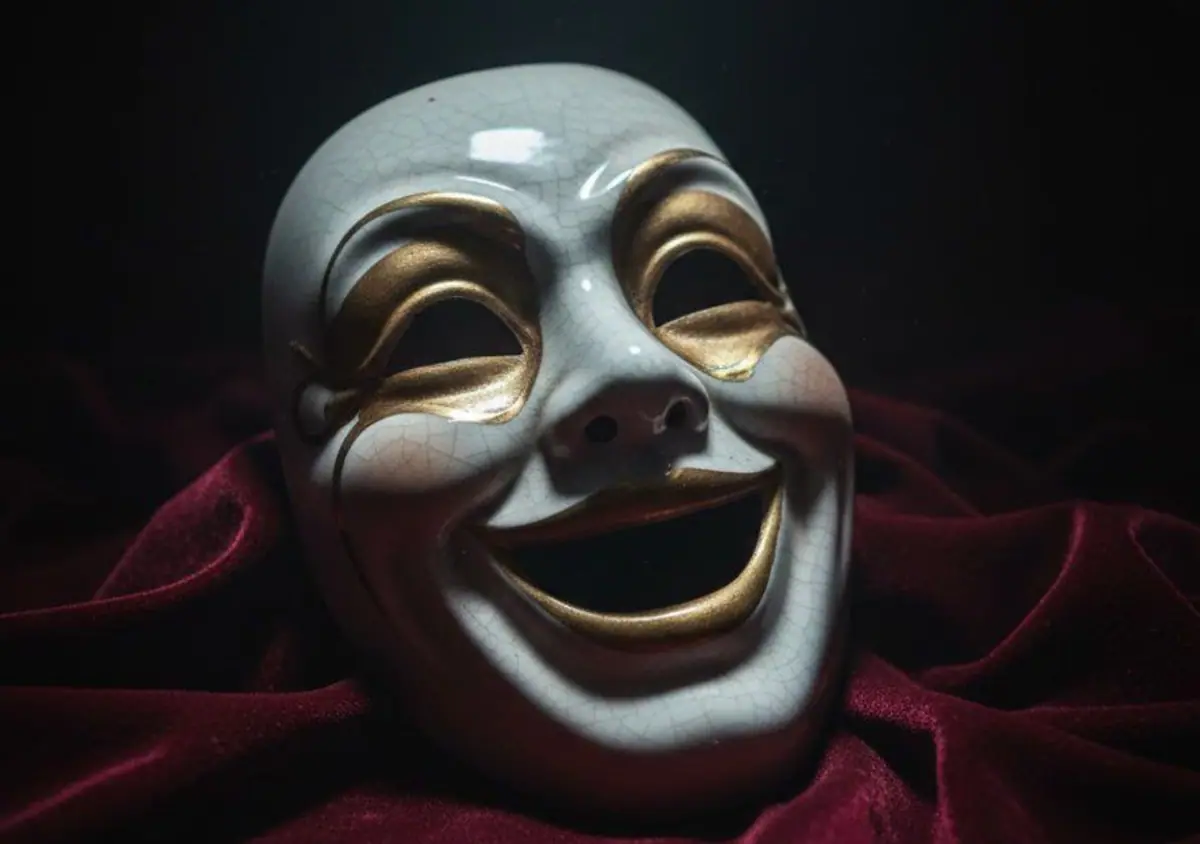
What does it mean to dream about laughing?
Laughing in a dream often reflects emotional release, but its meaning depends on the tone and context. Jung viewed laughter as the emergence of the shadow and repressed truths, while Freud associated it with disguised desires or aggression. Lighthearted laughter may suggest self-acceptance; mocking or uncontrollable laughter can reveal conflict or vulnerability.
Is dreaming of laughing good or bad?
Good signMostly a good sign. Dreaming of laughing is usually read as positive, though what happened in the dream and how you felt still change the meaning.
Laughing in dreams often reflects an emotional release. Psychologically, it may symbolize repressed joy finally surfacing or, conversely, a nervous reaction to unresolved issues. The context is crucial: lighthearted laughter suggests contentment and positive social connections. Uncontrollable or mocking laughter can indicate feelings of vulnerability, social anxiety, or suppressed anger bubbling up from the subconscious.
Get your personalized AI interpretation in seconds
How each tradition reads dreams about laughing
Carl Jung (Archetypes)
Man and His Symbols (1964)
Jung believed laughter in dreams can represent the shadow self, the aspect we repress or ignore. Laughter might reveal an uncomfortable truth we avoid consciously. It can indicate confronting repressed aspects of the personality or liberation from social and psychological constraints. It may symbolize accepting oneself with all inherent contradictions.
Sigmund Freud (Desire)
The Interpretation of Dreams (1899)
Freud believed laughter in dreams is often a disguised expression of repressed desires or aggression. Laughter can be a way to release forbidden psychic energy. Laughing at someone, for example, may reveal feelings of jealousy or hostility towards that person. Laughter could also represent a way of dealing with childhood traumas.
Other traditions
Ibn Sirin (Islamic Core)
Muntakhab al-Kalam fi Tafsir al-Ahlam (attributed)
Ibn Sirin says that laughter in a dream may indicate heedlessness and amusement diverting one from the remembrance of Allah. Loud and excessive laughter could signify an impending calamity. A light smile is better and may indicate near relief. One should reflect on their condition and review their actions, lest the laughter be a sign of underestimating something important. Laughter without an apparent reason bodes ill, and laughing while mocking others indicates a lack of faith and bad character. And Allah knows best.
Al-Nabulsi
Ta'tir al-Anam fi Ta'bir al-Manam
Al-Nabulsi interpreted laughter in a dream as potentially indicating sadness and upcoming worry, especially if the laughter is intense or accompanied by crying. Hysterical laughter may suggest exposure to a scandal or an embarrassing situation. Low laughter may indicate light joy or happy occasions, but it could be a warning against excessive joy. Laughing at another person indicates injustice or backbiting. The dreamer must contemplate the context of the dream to determine the correct meaning, and Allah knows best.
Imam Sadiq
It is narrated from Imam Sadiq that laughter in a dream may indicate several things depending on the context: it could be a sign of joy and happiness if the laughter is light and modest, or it could be a warning of misfortune and troubles if the laughter is strong and excessive. Laughing at people may indicate committing injustice or ridiculing them, which is a reprehensible act. The believer should reflect on the reason for laughter in the dream and its relationship to their real life to determine its meaning accurately. And Allah knows best.
Biblical Tradition
The Bible (Old Testament)
In the Bible (Old Testament), laughter can be associated with joy and celebration, but it can also be used to denote mockery or derision. Recall the story of Sarah (Genesis 18:12) when she laughed upon hearing she would conceive in old age, sparking questions of faith. Thus, dream laughter should be examined in a wider context to see if it's a sign of true joy or disbelief.
Christian Tradition
In Christian interpretation, laughter can represent spiritual joy in God's presence, as we read of the joy that fills believers. However, excessive or sarcastic laughter may warn of arrogance and a departure from Christian humility. Interpreting laughter in dreams requires spiritual discernment to determine if its source is divine or from worldly temptations.
Zhou Gong
Zhou Gong Jie Meng (周公解梦)
In Zhou Gong's dream interpretations, laughing loudly indicates potential misfortune or disputes. Seeing others laughing at you suggests you may face embarrassment or ridicule. Laughing quietly, however, signifies upcoming good fortune. Laughter without a clear reason is an ominous omen.
Hindu / Vedic
In Hinduism, laughter in dreams may represent the joy of the soul and the attainment of wisdom, often associated with shedding worldly illusions. It could be a sign of blessings from the deities or an indication of approaching spiritual enlightenment. One should reflect on the reason for the laughter and the deities associated with joy.
Japanese (Yume Uranai)
In Japanese dream divination (Yume Uranai), laughter is often seen as a mixed omen. Faint laughter or a smile may suggest inner peace and harmony. Loud laughter, particularly in unfamiliar places, could indicate misfortune or hidden danger. It's important to pay attention to the emotions associated with laughter to determine if it is 'kichimu' (a good omen) or 'kyomu' (a bad omen).
Don't let the message slip away. Get a profound, personalized analysis that reveals what your subconscious is trying to tell you.
Interpret your Laughing dream with AIDream Scenarios
Common Questions & Scenarios
What does it mean to dream of someone laughing loudly?
What does it mean to dream about myself laughing hysterically?
What does it mean to dream of a baby laughing?
What does it mean to dream of a dead person laughing?
What does it mean to dream about laughing sarcastically?
Written with AI from the traditions named on this page and maintained by the FASSIR English Editor. Last updated . How we interpret dreams
Disclaimer: This analysis utilizes AI based on historical and psychological texts for educational and spiritual insight. It does not constitute professional medical or psychological advice.