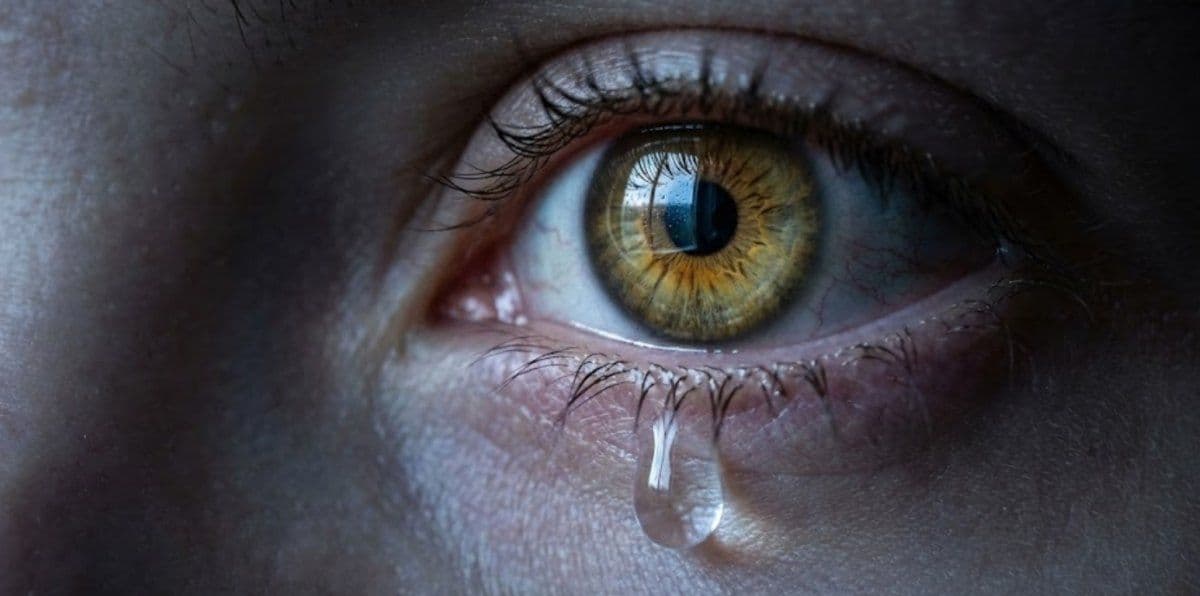
Dream Interpretation of Crying: Emotional Release
Crying in dreams often symbolizes a release of pent-up emotions or suppressed feelings. Jungian psychology suggests it can represent the shadow self expressing grief, sadness, or the need for healing. It may also indicate emotional vulnerability or a cathartic release, paving the way for emotional clarity and renewal. The context of the dream is crucial for a deeper understanding of its message from the subconscious.
Had a dream about crying?
Get your personalized AI interpretation in seconds
Interpretations
Ibn Sirin (Islamic Core)
Ibn Sirin says that seeing crying in a dream may carry either good tidings or a warning of evil. If the crying is accompanied by screaming and wailing, it may indicate an upcoming calamity or severe worries. However, if the crying is quiet and without lamentation, it may indicate relief after distress and sincere repentance.
Ibn Sirin also believes that tears of joy in a dream indicate the disappearance of sorrow and the advent of happiness. While tears of remorse may be a reminder of the need to seek forgiveness and repent from sins and wrongdoings.
Crying in a dream may also indicate fear of God and reverence for Him, which is a commendable sign indicating the righteousness of the dreamer and his closeness to his Lord.
Al-Nabulsi
Al-Nabulsi interprets crying in a dream as relief after distress and getting rid of worries and sorrows. Crying may also indicate fear of God and repentance to Him.
However, Al-Nabulsi warns against crying accompanied by screaming and wailing, as he considers it a sign of calamities and trials. He believes that crying over a dead person in a dream may indicate the deceased's need for prayer and seeking forgiveness.
Al-Nabulsi adds that crying from one eye may indicate confusion and hesitation in making decisions, while crying from both eyes indicates imminent relief.
Imam Sadiq
It is narrated from Imam Sadiq (peace be upon him) that crying in a dream has multiple connotations, including mercy and compassion, and it may indicate imminent relief and abundant goodness.
Silent crying may indicate remorse and sincere repentance, and it may also be a sign of a change in circumstances for the better.
However, attention should be paid to the state of crying, because if it is accompanied by slapping and wailing, it may indicate great calamities and worries.
Biblical Tradition
In Biblical tradition, crying is often associated with repentance or deep sorrow. The Book of Psalms is filled with expressions of weeping and groaning before God, often due to feelings of guilt or injustice.
David's repentance after his sin with Bathsheba is an example, as he wept and mourned before the Lord, seeking forgiveness. Crying in a dream may represent a need for repentance and returning to God.
Crying may also be a sign of compassion for the suffering of others, as mentioned in the Book of Nehemiah when Nehemiah wept upon hearing about the desolation of Jerusalem.
Christian Tradition
In Christian thought, crying often represents sorrow for sin or compassion for the suffering of others. In the Gospel of Luke, Jesus wept over Jerusalem, foretelling its destruction.
Believers are encouraged to mourn their sins and repent of them. Crying in a dream may be a call for spiritual self-assessment and seeking cleansing through God's grace.
However, the Bible also emphasizes the hope of resurrection and the comfort offered by the Holy Spirit. Crying in a dream may also be the beginning of a spiritual healing process and finding peace in Christ.
Carl Jung (Archetypes)
From a Jungian perspective, crying in dreams represents an expression of repressed emotions seeking emergence from the unconscious. Crying may be a manifestation of the 'Shadow,' the darker aspect of the personality that is often suppressed or ignored.
Crying may also signify a process of psychological integration, where different aspects of the Self are being integrated, including those considered painful or unacceptable. Crying in dreams is often linked to the activation of archetypes such as the 'Wounded Child' or the 'Great Mother,' indicating a need for healing and nurturing.
If the dreamer is crying for someone else, that person may represent an aspect of the Self that needs attention or healing. Crying may also indicate an encounter with the 'Anima' or 'Animus,' the unconscious feminine or masculine aspects of the psyche.
Sigmund Freud (Desire)
Freud would interpret crying in a dream as a symbolic expression of repressed desires or unresolved childhood traumas. Crying may represent a temporary release of psychic energy (libido) that has been suppressed.
Crying may also be a reaction to frustration or loss, whether real or imagined. In some cases, crying may be an expression of repressed anger or aggression that has not been expressed directly.
If the dreamer is crying for a specific person, that person may represent an object of repressed desire or psychological conflict. Crying may also be an expression of guilt or regret over past actions.
Zhou Gong
In Chinese dream interpretation (Zhou Gong), crying can indicate either good fortune or sorrow, depending on the context.
If the dreamer is crying loudly, it may indicate receiving good news or achieving a long-awaited goal. However, if the crying is silent, it may indicate sadness or feelings of loneliness.
Crying over a deceased person is often considered a good sign, as it indicates that the deceased is in a good state in the afterlife and that the dreamer will be blessed.
Hindu / Vedic
In Hindu traditions, crying in dreams can be interpreted in various ways depending on the specific context and individual beliefs.
Crying is often associated with emotional cleansing and the release of pent-up emotions. It may be a sign that you are processing and releasing deep-seated feelings, leading to spiritual growth and healing.
In some instances, crying can also represent devotion and surrender to the divine. Devotees often express their love and dedication through tears during worship or meditation.
Dreams involving excessive crying and screaming may indicate upcoming difficulties or challenges that must be addressed with courage and resilience.
The ultimate analysis is heavily dependent on the dream's context, the emotions experienced, and the individual's spiritual beliefs.
Japanese (Yume Uranai)
In Yume Uranai (Japanese dream divination), crying is viewed as a complex yume (omen). It can signify spiritual cleansing and the release of negative energy.
If the crying in the dream is accompanied by remorse, it may indicate a need to acknowledge or rectify past mistakes.
Crying for someone else may suggest empathy and spiritual connection with that person, or it could mean you are absorbing someone else's energy.
If you are crying because of something beautiful or moving, it's seen as a kichimu (auspicious sign), indicating you will soon experience profound joy or appreciation in your waking life.
Crying silently or with few tears may suggest resilience and endurance in the face of hardships. It symbolizes inner strength and the ability to patiently overcome challenges.
The presence of nature spirits while crying holds particular significance. If a Kami (God) or Kodama (tree spirit) appears as you weep, it signifies divine intervention or guidance, suggesting higher powers are providing support and comfort.
The interpretation of crying in Japanese dreams is intricately woven with the dreamer's personal emotions and the surrounding influences incorporated within the dream.
Our AI can analyze your specific dream details in seconds.
Common Questions & Scenarios
Deep Dive Interpretations
What does it mean to cry tears of joy in a dream, celebrating a happy event?
What does it mean to cry uncontrollably in a dream, yet feel relieved afterwards?
What is the interpretation of waking up with tears on your face after dreaming of crying?
What does it mean to dream of witnessing someone else crying and feeling helpless to comfort them?
Disclaimer: This analysis utilizes AI based on historical and psychological texts for educational and spiritual insight. It does not constitute professional medical or psychological advice.
Don't let the message slip away. Get a profound, personalized analysis that reveals what your subconscious is trying to tell you.