What does it mean to dream about animals?
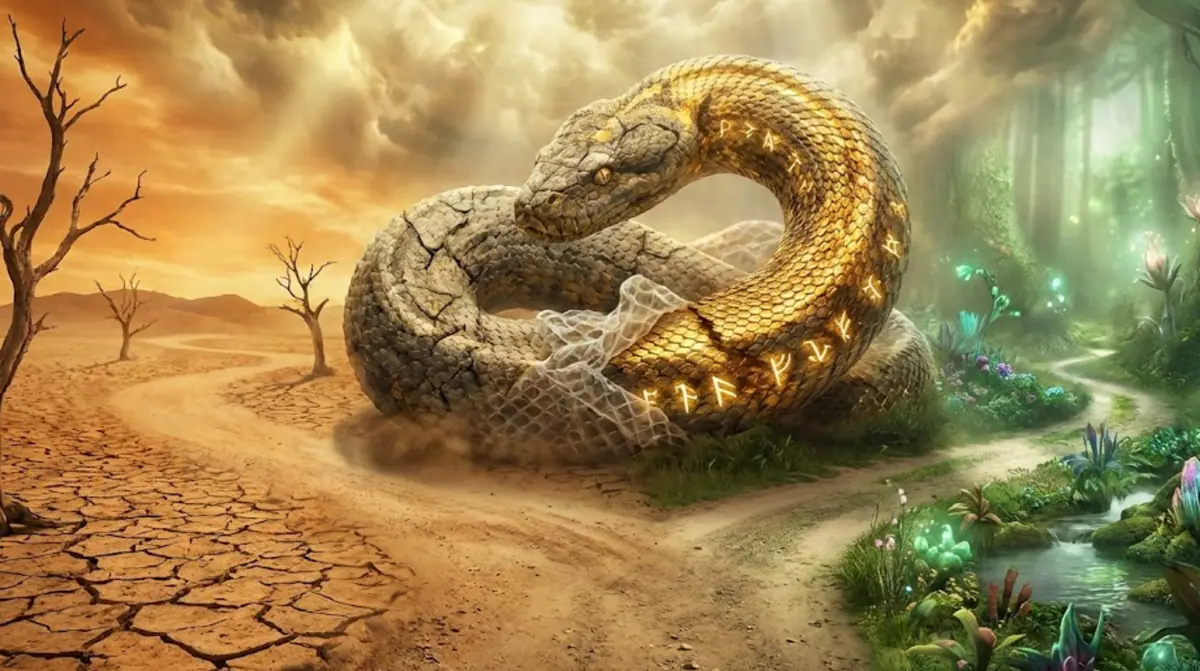
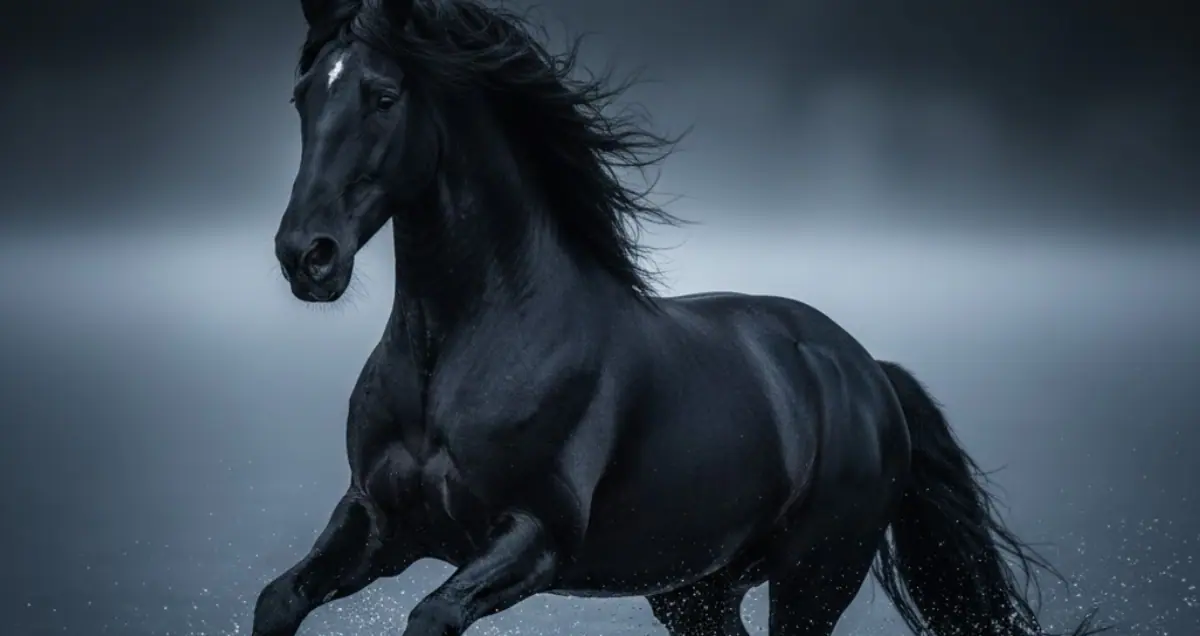
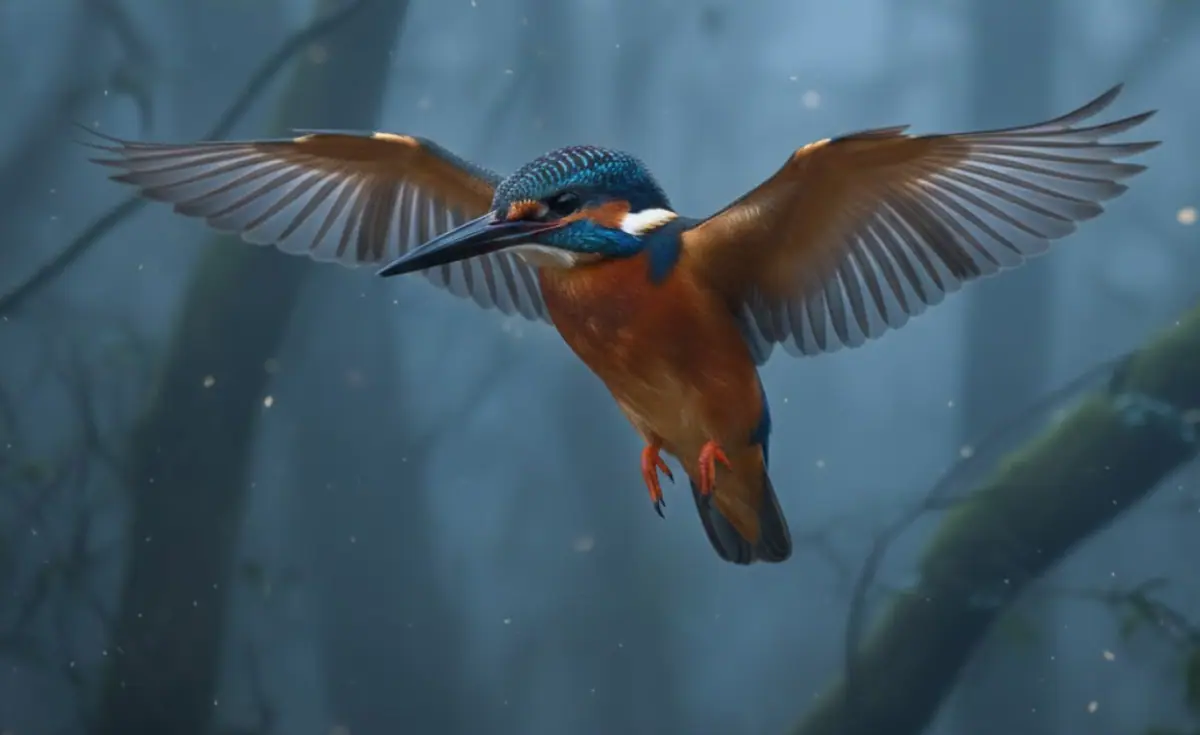
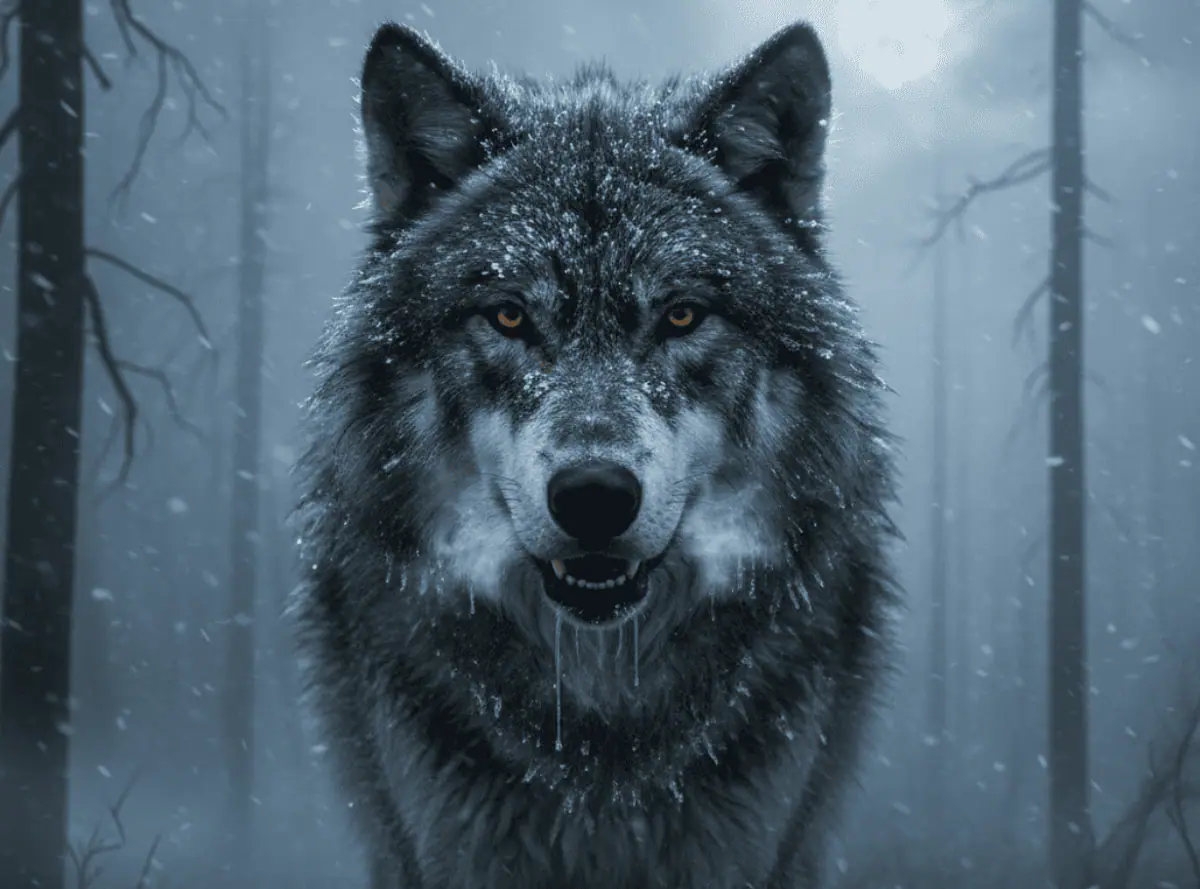
Dreaming of animals reflects primal instincts and unexpressed emotions, according to Carl Jung. Domestic animals can represent socialized aspects of the persona, while wild beasts often personify the Shadow, or repressed parts of the psyche. Peaceful interaction suggests a healthy integration of conscious thought and instinctive nature.
Is dreaming of animals good or bad?
MixedIt depends on the dream. Dreaming of animals can be a good or a bad sign depending on what happened and how you felt when you woke up.
Which animal guides your dreams? Take the spirit animal quiz.
In the Western tradition, animals represent subconscious archetypes and the 'shadow' self. According to Jung, they symbolize primal instincts, biological drives, and unexpressed emotions. Seeing a wild animal often points to untamed impulses requiring integration, while domestic animals reflect the ego’s relationship with social norms and responsibilities. The dream speaks to your vital energy and the balance between civilization and your true nature.
Get your personalized AI interpretation in seconds
How each tradition reads dreams about animals
Carl Jung (Archetypes)
Man and His Symbols (1964)
Carl Jung posits that animals represent the collective unconscious and our primal instincts. An animal in a dream is an archetype of a side of the dreamer's personality that has yet to be integrated into the conscious self. Domestic animals reflect socialized aspects of the persona, while wild beasts often personify the 'Shadow'—the repressed or unacknowledged parts of the psyche. Interacting peacefully with an animal symbolizes the process of individuation, representing a healthy integration between conscious thought and instinctive nature.
Sigmund Freud (Desire)
The Interpretation of Dreams (1899)
Sigmund Freud interpreted animals as manifestations of libidinal energy and repressed sexual urges. In the Freudian view, animals often serve as symbols for parents or authority figures from childhood. Wild or threatening animals may represent a fear of punishment or castration anxiety, while small, cuddly animals could signify desires for progeny or a regression to an infantile state of protection. The animal’s behavior reflects the inner conflict between the Id (instinctual drives) and the Super-ego (moral constraints).
Other traditions
Ibn Sirin (Islamic Core)
Muntakhab al-Kalam fi Tafsir al-Ahlam (attributed)
Ibn Sirin interprets animals as representations of the people and social dynamics surrounding the dreamer. Domesticated animals generally signify friends, safety, and psychological comfort, whereas predatory wild beasts symbolize enemies, oppressors, or personified dangers. Riding an animal and controlling it suggests achieving prestige and dominance over one's life affairs. However, an uncontrollable or aggressive animal warns of falling into sin or being overcome by one's passions. The slaughter of edible animals brings tidings of sustenance, while harming prohibited animals suggests injustice.
Al-Nabulsi
Ta'tir al-Anam fi Ta'bir al-Manam
Al-Nabulsi interpreted animals as reflections of human instincts and desires. Seeing oneself transforming into an animal suggests a loss of dignity or a regression in moral character. Predatory animals represent deception and threats from outsiders. Notably, if an animal speaks in a dream, it is considered a significant omen or a truthful message, as animals do not lie in the spiritual realm. Animals entering a home may represent an increase in family or guests, while escaping a predator symbolizes divine protection and surviving a great trial.
Imam Sadiq
Imam al-Sadiq views animals through six lenses: an enemy, an authority figure, sustenance, a spouse, a child, or a general benefit. Beasts of burden underscore the necessity of hard work that eventually leads to the fulfillment of goals. If predatory animals appear but do not harm the dreamer, it signifies inner strength and victory over rivals. Generally, white animals are seen as harbingers of joy, purity, and good news, while dark or black animals may symbolize hidden anxieties or impending sorrow.
Biblical Tradition
The Bible (Old Testament)
In the Old Testament, animals represent spiritual qualities and earthly kingdoms, as seen in the visions of Daniel and Joseph. The lamb symbolizes innocence and sacrifice, while the lion represents power, sovereignty, or a lurking adversary. Clean animals symbolize divine acceptance and moral conduct, whereas unclean animals may signify sin or foreign influences. Seeing animals subject to human authority mirrors Adam's original dominion, reflecting the covenantal relationship and responsibility between humanity and the Creator.
Christian Tradition
In the New Testament, animals hold deep metaphorical meanings: the Lamb signifies Jesus as the 'Lamb of God,' and the Dove represents the Holy Spirit and peace. Conversely, wolves represent false teachers threatening the flock, and serpents symbolize satanic deception. Dreaming of animals often points to spiritual warfare or a call to embody specific virtues, such as being 'wise as serpents and harmless as doves.' Caring for a wounded animal in a dream reflects acts of Christian mercy and charity toward the vulnerable.
Zhou Gong
Zhou Gong Jie Meng (周公解梦)
In Chinese tradition per Zhou Gong, animals are potent symbols of fate. Celestial creatures like dragons or phoenixes herald extraordinary success and social elevation. Pigs are auspicious signs of impending wealth, and dogs signify loyalty and the arrival of new allies. Being attacked by an animal warns of workplace conspiracies. Seeing sick or dead animals is an inauspicious omen of financial loss or family illness, whereas nurturing or raising animals indicates flourishing investments and household prosperity.
Hindu / Vedic
In Hindu tradition, animals are 'Vahanas' (vehicles) of the gods and carry divine messages. The cow symbolizes Mother Earth, abundance, and sanctity. The elephant represents the removal of obstacles and wisdom, linked to Ganesha. Encountering wild animals may signal karmic challenges requiring bravery. A calm animal signifies balanced chakras and harmony with nature, whereas a disturbed or aggressive animal indicates spiritual imbalance that necessitates meditation and realignment with one's dharma.
Japanese (Yume Uranai)
Japanese 'Yume Uranai' treats animals as omens and nature spirits. The cat can be a sign of both misfortune or good luck (Maneki-neko) depending on its behavior. Dogs symbolize safety and loyalty. A crow warns of impending bad news, while a glow-worm or firefly represents hope. Animals are often seen as spirits (Kami); a mysterious animal appearing in a dream may be a guide or a warning against disrupting the natural balance in the dreamer’s waking life.
Don't let the message slip away. Get a profound, personalized analysis that reveals what your subconscious is trying to tell you.
Interpret your Animals dream with AICommon Questions & Scenarios
What does it mean to dream of domestic animals inside your house?
What is the interpretation of a dream where a wild animal is attacking me?
What does it mean to dream about strange or unknown hybrid animals?
What is the significance of talking to animals in a dream?
What does it mean to see a dead animal or a dying animal in a dream?
Written with AI from the traditions named on this page and maintained by the FASSIR English Editor. Last updated . How we interpret dreams
Disclaimer: This analysis utilizes AI based on historical and psychological texts for educational and spiritual insight. It does not constitute professional medical or psychological advice.