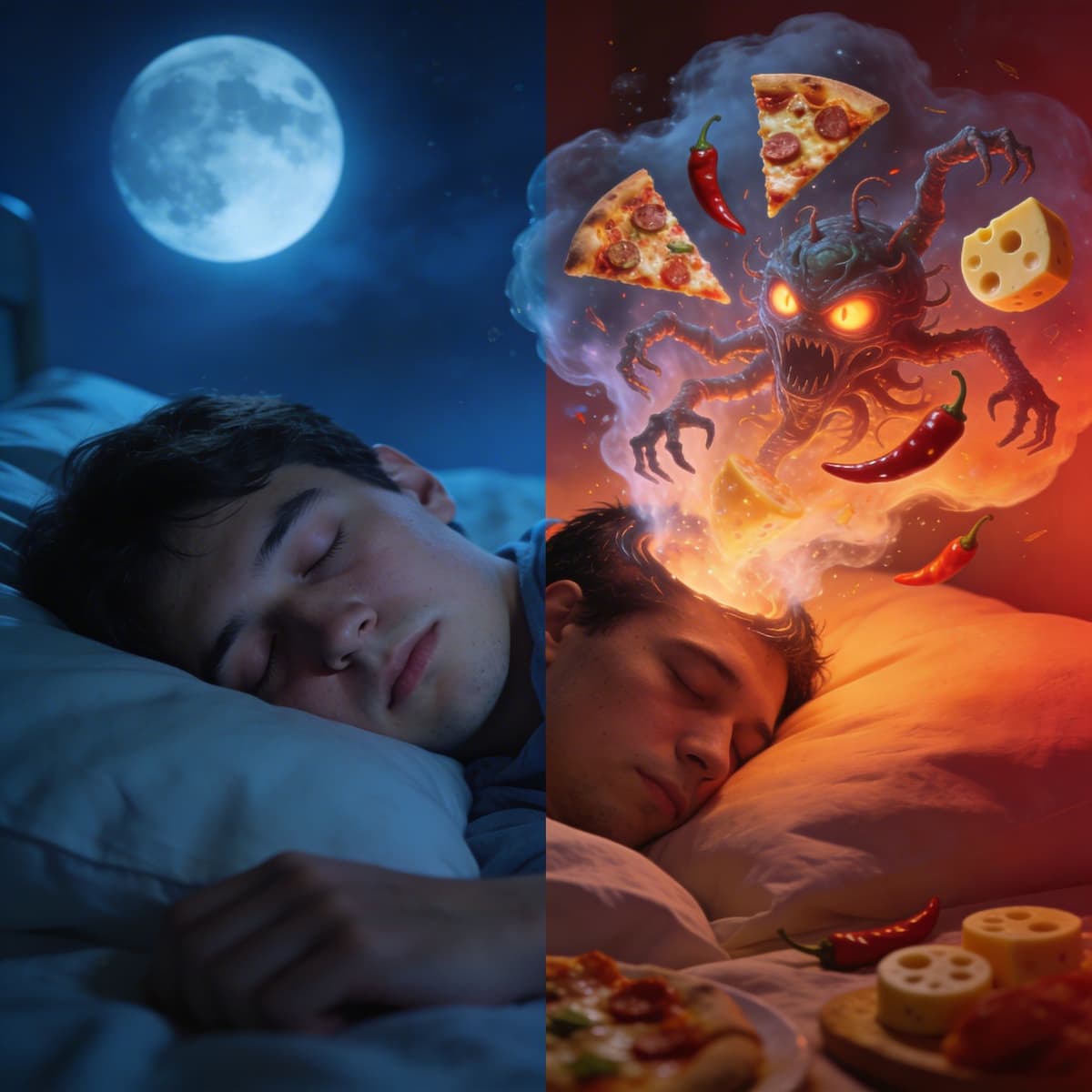
Why Your Dreams Suddenly Feel More Real Than Ever Before
Suddenly experiencing vivid dreams is rarely random, it almost always means your brain is doing extra work: processing emotions, adapting to change, or responding to something new in your body or environment. Understanding why it's happening is the first step to understanding what it means.
What Makes a Dream "Vivid"?
A vivid dream isn't just memorable, it's cinematically real. Colors are saturated, emotions are overwhelming, and the narrative holds together with a logic that feels indistinguishable from waking life. The technical reason is straightforward: vivid dreams are tied to REM (Rapid Eye Movement) sleep, the stage where your brain's electrical activity closely mirrors wakefulness.
Had a dream about Why Your Dreams Suddenly Feel More Real Than Ever Before?
Get your personalized AI interpretation in seconds
A 2023 study published in PMC confirmed what sleep researchers had long suspected: vivid dreams are statistically associated with a significantly higher percentage of REM sleep (%REM), with fear-processing networks, the amygdala, hippocampus, and medial prefrontal cortex, operating at elevated activity during this phase. When something pushes your REM percentage higher, stress, hormonal shifts, medication changes, grief, your dreams intensify accordingly.
7 Reasons Your Dreams Are Suddenly More Vivid
1. Emotional Processing & Major Life Changes
Your brain uses REM sleep as its emotional processing lab. Relationship changes, career pivots, loss, new parenthood, or any significant transition floods your brain with unresolved emotional data, and REM sleep is where it gets sorted.
This is why a breakup reliably triggers intense dreams about your ex-partner: your brain isn't haunting you, it's filing.
2. Stress and Anxiety
Stress is one of the most reliable triggers for sudden vivid dreaming. A 2025 PMC study found that REM sleep plays a vital role in processing daytime stress and anxiety, and that disruptions to REM sleep directly worsen emotional regulation — linking nightmare frequency and dream intensity to anxiety and depressive symptoms.
When you're anxious, your amygdala stays hyperactive even in sleep, which is why stress dreams often feature classic panic scenarios: falling, being chased, failing an exam, or being unable to move.
3. Sleep Schedule Disruptions
Any shift in your normal sleep rhythm can spike dream vividness. When your sleep is cut short or disrupted, your brain compensates with REM rebound, cramming more REM into subsequent sleep cycles and producing unusually vivid, narrative-rich dreams as a result. Common triggers include:
- Jet lag or shift work
- Sleeping significantly longer than usual (weekends, illness)
- A new sleep environment
- Recovering from a period of sleep deprivation
4. Medication Changes
Certain medications directly alter REM architecture, intensifying dreams. The most documented culprits:
- SSRIs and SNRIs, increase serotonin, alter REM suppression, and can paradoxically intensify dreams in some users despite technically reducing overall REM duration
- Beta-blockers, associated with vivid dreams and nightmares via interference with norepinephrine signaling
- Dopamine agonists (used in Parkinson's treatment) — can produce unusually lifelike or enacted dreams
- Varenicline (Chantix), smoking cessation drug with well-documented vivid dream side effects
Always consult your prescribing physician before adjusting medication based on sleep changes.
5. Pregnancy and Hormonal Shifts
Hormonal fluctuations, especially surges in progesterone and estrogen — directly affect sleep architecture and dream intensity. Periods of notable hormonal change include:
- Pregnancy (especially the first and third trimesters)
- Perimenopause and menopause
- The luteal phase of the menstrual cycle
- Puberty
Many people report unusually intense pregnancy-related dreams during these windows, often symbolic, emotionally loaded, and deeply memorable.
6. Dietary and Lifestyle Changes
Changes to your daily chemistry can quietly shift your dream intensity:
- Alcohol reduction or cessation, alcohol suppresses REM, so quitting it triggers REM rebound and vivid dreams
- New diet, especially high-carbohydrate foods before bed
- Starting or stopping intense exercise
- Cutting caffeine (which affects adenosine and sleep pressure)
7. Processing Grief or Trauma
Grief and trauma demand significant neural processing. Your brain doesn't simply "move on", it revisits, re-encodes, and attempts to contextualise painful material during REM sleep. This is why bereavement so reliably produces vivid dreams about deceased loved ones: it's not a haunting, it's healing.
If these dreams are overwhelming or trauma-linked, a grief counselor or trauma-informed therapist can help redirect the processing consciously.
The Islamic Perspective
In Islamic tradition, sudden increases in dream vividness carry their own significance, but come with important nuance. Ibn Sirin, the seminal 8th-century scholar of dream interpretation, taught that vivid, emotionally resonant dreams warrant careful attention, but not all vivid dreams are prophetic or spiritually directive. The Prophet ﷺ identified three categories of dreams:
- Ru'yaa, a true dream, from Allah, often carrying guidance or glad tidings
- Hadith al-nafs, the soul's internal monologue, reflecting worries and desires
- Takhweel al-shaytan, a disturbing or unsettling dream attributed to the whispering of Shaytan, repelled by seeking refuge in Allah
The Prophet ﷺ said: "A good dream (that comes true) of a righteous man is one of forty-six parts of prophethood." (Sahih al-Bukhari)
If your vivid dreams feel distinctly peaceful, coherent, and leave a lasting impression of warmth or clarity, they may carry meaning worth reflecting on. Use the Fassir dream interpreter to explore them through the lens of Islamic scholarship.
And Allah knows best.
When Should You Be Concerned?
Vivid dreams are almost always benign. Seek professional guidance if:
- Sleep paralysis accompanies your vivid dreams regularly
- Nightmares are causing anxiety or disrupting your daily functioning
- You physically act out your dreams (REM Sleep Behavior Disorder)
- Dreams are clearly linked to unprocessed trauma or PTSD
- The intensity has been sustained for weeks with no identifiable trigger
How to Manage Sudden Vivid Dreams
Stabilise Your Sleep Architecture
- Maintain a consistent sleep and wake time, even on weekends
- Keep your room cool (around 65–68°F / 18–20°C) and dark
- Avoid screens for at least 60 minutes before bed
- Limit alcohol and heavy meals in the evening
- Wind down with breathing exercises or light stretching
Process the Dreams Consciously
- Write them down immediately upon waking, before checking your phone or speaking to anyone
- Note recurring symbols, emotions, and themes across multiple nights
- Connect dream content to current waking-life circumstances
- For Islamic interpretation, don't share a meaningful dream except with someone you trust or a qualified interpreter — the Prophet ﷺ said: "Dreams sit on the leg of a bird, once interpreted, they land." (Abu Dawud)
Understanding Common Vivid Dream Symbols
Explore what recurring symbols in your vivid dreams may mean:
- Water, emotion, flow, spiritual renewal, or anxiety
- Falling, loss of control or fear of failure
- Being chased, avoidance of unresolved issues
- Flying, freedom, ambition, or spiritual elevation
- Death, transition, change, not literal endings
- House, the self, identity, and inner world
- Snakes, hidden threat, transformation, or envy
- Teeth falling out, anxiety, communication fears, or vulnerability
- Ex-partner, emotional processing, not longing
- Pregnancy, new beginnings, creativity, or transition
- Fire, passion, purification, or suppressed anger
- Road, life direction and decision-making
- Bridge, transition between life phases
- Animals, instincts, emotions, and unconscious forces
- Light, clarity, guidance, and spiritual awareness
For a personalised interpretation of what your vivid dreams mean — rooted in Islamic tradition, psychology, and modern dream research — try the Fassir dream interpreter. Free. Instant. No sign-up required.
Explore the full dream symbol library at the Fassir Dream Dictionary.
Don't let the message slip away. Get a profound, personalized analysis that reveals what your subconscious is trying to tell you.
Frequently Asked Questions

A team of researchers and editors dedicated to dream interpretation, combining religious traditions, classical wisdom, psychological insight, and modern analytical methods.
Read Next

Why Your Snake Dreams Won't Go Away: A Deep Psychological Dive
That Stranger in Your Dream Isn't a Stranger at All, Here's Why
Islamic Dream Interpretation: A Complete Guide for Muslims