Dream Interpretation of Horse: Power and Freedom
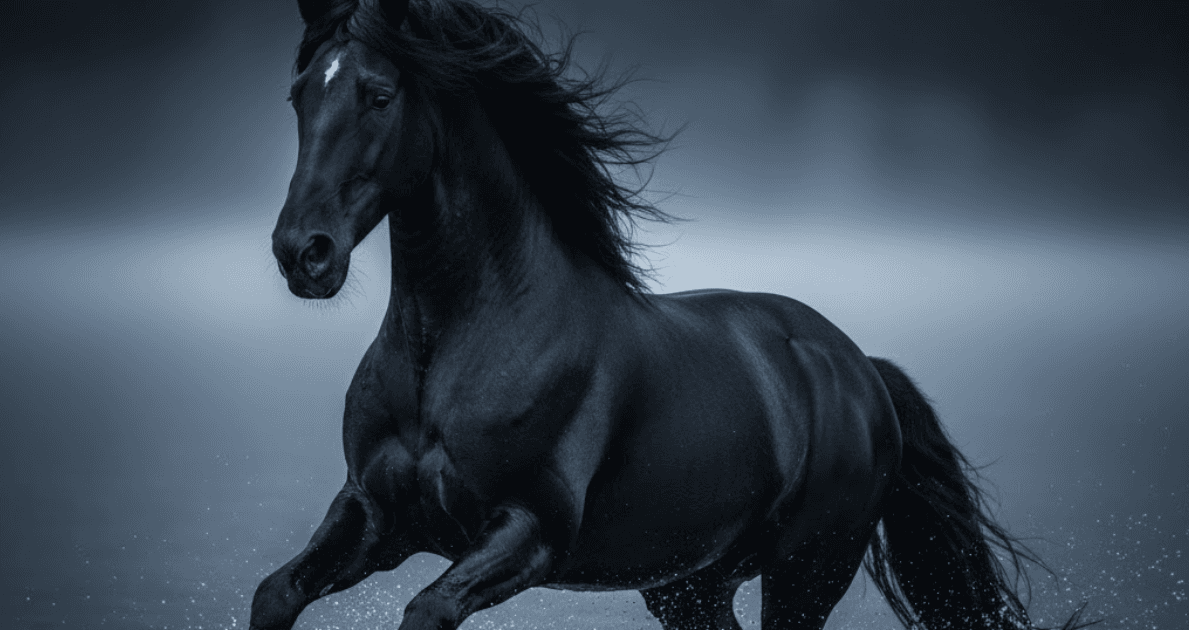
In the Western psychological context, the horse is a potent Jungian archetype representing the 'Shadow' or primal life force. It symbolizes the integration of instinctive energy with conscious control. Dreaming of a horse reflects your personal drive, sexual energy, and the balance between civilization and your untamed subconscious power.
Had a dream about horse?
Get your personalized AI interpretation in seconds
Interpretations
Ibn Sirin (Islamic Core)
Ibn Sirin interprets the horse as a symbol of glory, power, and prestige. Mounting an obedient horse signifies achieving honor and status in proportion to the horse's beauty and agility. A winged horse represents reaching great heights or embarking on a blessed journey. However, riding a horse without a bridle or in an inappropriate setting suggests following one's whims or committing a sin. The horse also symbolizes protection and strength, while the death of a horse in the home may portend the loss of a noble person or the head of the household.
Al-Nabulsi
Al-Nabulsi interpreted the horse as a sign of wealth, chivalry, and abundant provisions. Seeing horses enter an unknown house indicates the arrival of noble guests or a coming victory. A sorrel (blonde) horse signifies knowledge, piety, and spiritual struggle, while a black horse symbolizes wealth and sovereignty gained through travel. Falling off a horse suggests a loss of status or financial hardship. Hearing a horse's neigh is a good omen of joyful news or receiving a gift from a brave man, and riding behind someone indicates following their lead toward a beneficial outcome.
Imam Sadiq
Imam al-Sadiq views the horse as representing five aspects: glory, prestige, authority, wealth, and a prosperous life. If a scholar dreams of riding a horse, they will attain wisdom; if a merchant, they will gain profit and safety. A wild or unruly horse warns of temptations and following base desires, whereas a calm horse signifies stability and righteousness. Voluntarily dismounting suggests leaving a job or relinquishing a right, while being forced off a horse indicates a sudden loss of position or power.
Biblical Tradition
In the Hebrew Bible, the horse symbolizes military strength and self-reliance. In the Book of Job, the horse's power is described as a testament to divine creation, representing grandeur and majesty. However, there is often a warning against trusting in 'horses and chariots' rather than in the Divine (Psalms). Seeing a horse reflects a readiness for battle or a significant transformation in the dreamer's life, symbolizing human dignity and the capacity to face major challenges.
Christian Tradition
In the New Testament context, the horse represents a strong spirit and spiritual warfare. The horses of the Book of Revelation are the most prominent, symbolizing divine judgment or major world shifts. The white horse signifies purity and victory in spiritual battle, while the red horse symbolizes persecution. Christ riding a white horse represents the ultimate triumph of truth. For the believer, the horse is a symbol of spiritual discipline and the ability to bridle the flesh to walk the path of faith.
Carl Jung (Archetypes)
Jung views the horse as an archetype representing vital energy and the natural instincts that the Ego attempts to direct. It is a symbol of life force and momentum, representing the animalistic side of the collective unconscious. Riding a horse symbolizes the conscious mind's control over instincts, while a runaway horse reflects repressed psychic energy threatening to erupt. For women, the horse often represents the Animus, embodying strength, drive, and the transformative power of the masculine principle within.
Sigmund Freud (Desire)
Freud saw the horse as a symbol of sexual potency and repressed libido. A powerful horse represents unbridled instinctual desires, and riding it symbolizes the attempt to control these urges or express sexual dominance. Fear of a horse in a dream might be linked to childhood traumas or anxiety regarding paternal authority (Oedipus complex). The movements and rhythm of the horse in a dream often point toward physical activity and the subconscious need to satisfy biological drives.
Zhou Gong
In Chinese tradition, the horse is a symbol of success, speed, and advancement. Seeing a galloping horse indicates the swift disappearance of worries and the achievement of goals. Riding a white horse foretells wealth and prestige, while a black horse may warn of fleeting troubles. If a horse bites the dreamer, it signifies a promotion or an unexpected reward. Conversely, a falling or sick horse is considered an inauspicious omen, predicting financial loss or obstacles in one's career path.
Hindu / Vedic
In Hindu tradition, the horse is linked to 'Ashva,' symbolizing solar energy and cosmic consciousness. The horse represents the mind and senses that must be tamed for the soul to reach enlightenment. Historic horse sacrifices (Ashvamedha) symbolized cosmic sovereignty. Dreaming of a horse indicates good fortune, physical strength, and upcoming success. A white horse is associated with Lord Vishnu (as 'Kalki'), heralding purification and the end of a cycle of suffering.
Japanese (Yume Uranai)
In Yume Uranai, the horse (Uma) is a messenger of the gods (Kami) and a symbol of great luck (Kichimu). Seeing a horse grazing in a meadow signifies family peace and prosperity. If a horse runs toward you, a golden opportunity is approaching. In Japanese culture, the horse represents balanced Yin and Yang energy; a calm horse represents wisdom, while an energetic one represents professional growth. A white horse is particularly sacred, bringing blessings and healing to the dreamer.
Our AI can analyze your specific dream details in seconds.
Disclaimer: This analysis utilizes AI based on historical and psychological texts for educational and spiritual insight. It does not constitute professional medical or psychological advice.
Don't let the message slip away. Get a profound, personalized analysis that reveals what your subconscious is trying to tell you.