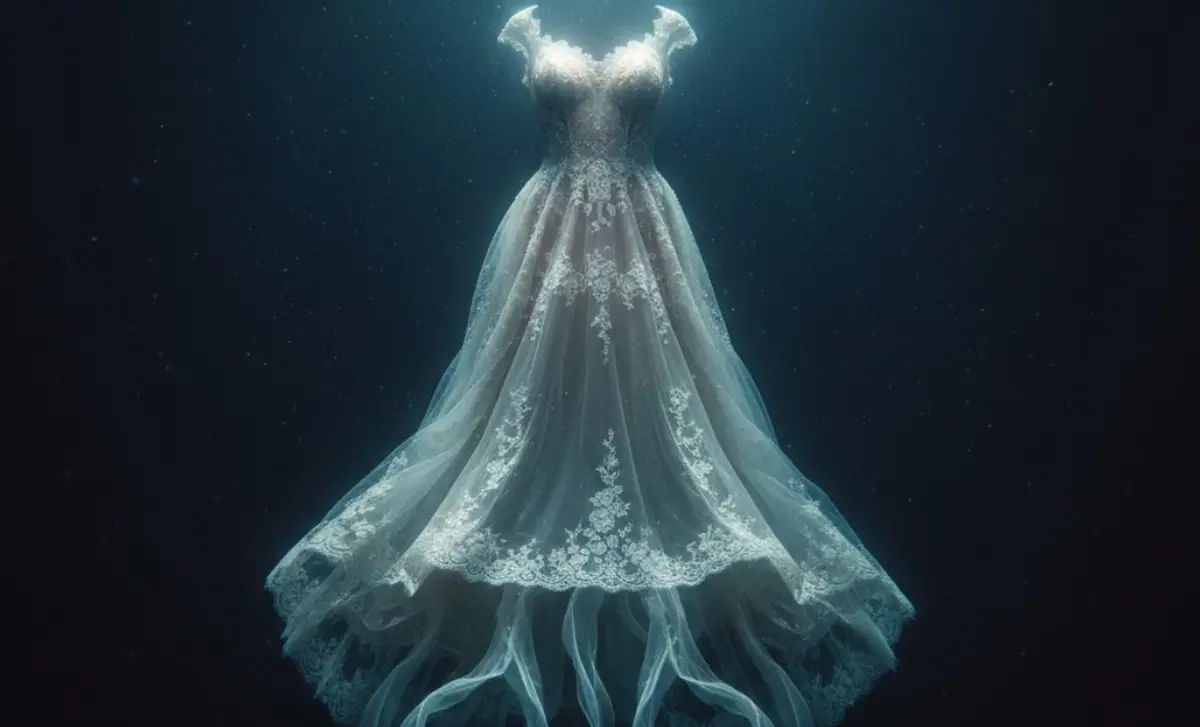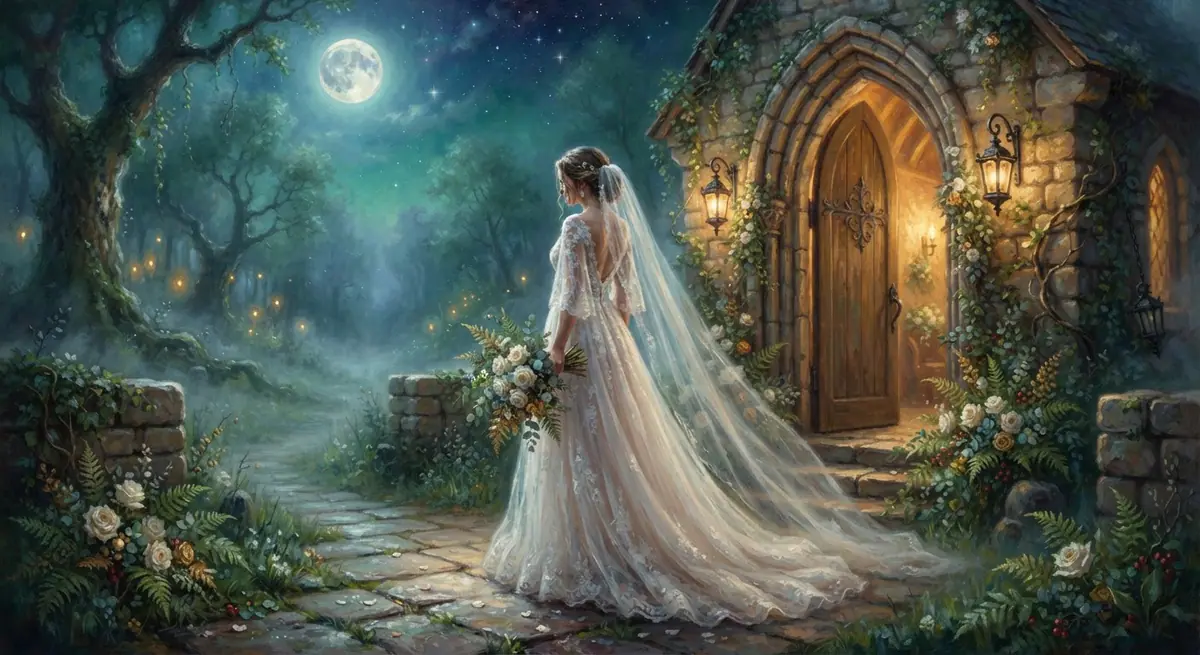
Dreaming of a bride or wedding dress often centers on union, commitment, identity, and a threshold between life phases. Psychologically, the bride may represent a decision to integrate two parts of the self, while the dress can express how one wishes to be seen, the pressure of social roles, or anxiety about public promises. For someone engaged or married, the image may reflect anticipation, relationship hopes, or fear of irreversible change; for someone single, it need not predict marriage and may symbolize a new vocation, agreement, or personal transformation. A radiant, well-fitting dress commonly suggests readiness and harmony, whereas a torn, stained, lost, or ill-fitting dress points to insecurity, conflict, or an obligation that feels imposed. Spiritually, many traditions treat bridal imagery as covenant, blessing, purification, or the soul’s meeting with a higher purpose. The dream’s emotional tone, the bride’s identity, the condition of the garment, and whether the ceremony succeeds are more significant than the symbol alone.
Get your personalized AI interpretation in seconds
How each tradition reads dreams about Bride
Carl Jung (Archetypes)
Man and His Symbols (1964)
From a Jungian perspective, the bride is an archetypal image of union: not merely a future spouse, but the psyche’s movement toward coniunctio, the joining of previously divided forces. The wedding dress gives that inner event a persona, showing how the emerging identity is presented to family, society, and the conscious ego. A woman who dreams of being a bride may be encountering a new form of femininity, authority, creativity, or relational selfhood. A man who dreams of a bride may meet an anima image, representing feeling, imagination, eros, and the neglected inner life. The interpretation depends on whether the bride feels living and individual or pale, remote, and overly idealized.
A luminous dress that fits naturally can indicate readiness to integrate a new attitude. Yet Jung would not equate whiteness with automatic goodness. Excessive whiteness may reveal inflation, innocence defended against experience, or identification with a spotless persona. A bride whose veil hides the face may embody an unconscious possibility not yet known to the ego. If the dreamer removes the veil and finds no face, the image may warn that an ideal has become empty. A stained or torn dress often brings the shadow into the ceremony: sexuality, anger, envy, grief, or ordinary imperfection that the conscious personality has excluded from its ideal of purity.
Concrete variations reveal the psychic task. A missing groom can suggest that the ego has prepared for union without discovering what it is actually joining. A runaway bride may dramatize fear of individuation or resistance to a prescribed identity. Watching another bride marry can indicate projection of one’s own unrealized potential onto a rival or admired figure. A wedding in a ruined church may show that inherited values no longer contain the transformation, while a quiet ceremony in nature may signal a more organic integration. Jungian interpretation asks what opposites seek union, what shadow material the dress conceals, and whether the dream’s bride is an authentic inner figure or a socially imposed persona.
Sigmund Freud (Desire)
The Interpretation of Dreams (1899)
In Freudian interpretation, a bride or wedding dress belongs to the dream’s manifest content: a visually acceptable scene that may disguise more private wishes, conflicts, and memories. The latent content cannot be inferred from the symbol alone. For one dreamer, the bride may condense a wish for sexual intimacy and legitimate recognition; for another, she may represent rivalry with a parent, fear of abandonment, or anxiety about a binding promise. Free association to the bride’s identity, the fabric, the ceremony, and recent events is therefore more important than a universal dictionary meaning.
A dreamer preparing to marry may experience wish-fulfilment in a radiant dress, with the dream staging certainty, admiration, and an idealized union. The same dream can contain counter-wishes: a missing button, a late arrival, or a dress that will not close may allow repressed ambivalence to appear without openly rejecting the marriage. A single person who repeatedly dreams of being a bride may be expressing longing for love and social validation, but the image can also condense a wish to be chosen, protected, or elevated in status. The bride’s face may substitute for a mother, former partner, sibling, or rival through displacement and condensation.
Freud would attend closely to bodily and sexual details. A tight dress may symbolize restraint or castration anxiety; an exposed hem, torn seam, or inability to undress may indicate conflict between modesty and desire. Stains can carry associations of menstruation, virginity, guilt, or fear of sexual consequences, depending on the dreamer’s personal history. Seeing an unknown bride may preserve anonymity around a forbidden wish, while marrying someone familiar may disguise an unacceptable attachment through a socially approved scene. A groom who disappears can express fear of impotence, rejection, or loss of control; a ceremony interrupted by parents may dramatize internalized authority. The dream’s apparent promise of marriage is thus less a prediction than a compromise formation shaped by wish, censorship, memory, and anxiety.
Other traditions
Ibn Sirin (Islamic Core)
Muntakhab al-Kalam fi Tafsir al-Ahlam (attributed)
In the classical method associated with Ibn Sirin, a bride is not read as a simple promise of marriage. The dreamer’s condition, the bride’s appearance, the presence or absence of celebration, and the emotional atmosphere determine whether the image signifies honor, worldly gain, grief, or an approaching trial. A known bride who appears adorned and calmly received may point to a desired worldly matter becoming attainable, especially when the dreamer is unmarried and the scene contains no noise or disorder. For a married person, seeing oneself as a bride can indicate renewed responsibility, a change in household affairs, or attachment to a matter that requires care rather than literal remarriage.
The wedding dress is judged through clothing symbolism. A clean, modest, well-fitting garment can signify covering, dignity, protection, and improvement in circumstances. White clothing may suggest religious or worldly purity when the dreamer is accustomed to such dress and the setting is peaceful. A torn, dirty, borrowed, or excessively revealing dress reverses the indication: it may disclose anxiety, damaged reputation, debt, or a burden that does not suit the dreamer. Putting on the dress willingly differs from being dressed by force; the former suggests accepting a duty, while the latter warns of compulsion or dependence on another person’s decision.
Ibn Sirin’s traditional distinctions also make the ceremony crucial. A quiet wedding without instruments can carry a favorable meaning, whereas loud singing, dancing, mourning-like commotion, or an unknown bride in a dark setting may signify hardship or death-related concern, particularly for a sick dreamer. Seeing a bride without a groom may indicate an incomplete undertaking. Losing the dress or failing to reach the ceremony points to delay and frustrated intention; removing it after wearing it can signify withdrawal from an agreement. The interpreter therefore weighs the dreamer’s health, profession, marital state, and conduct before assigning an omen.
Al-Nabulsi
Ta'tir al-Anam fi Ta'bir al-Manam
Al-Nabulsi treats bridal imagery through the linked symbols of marriage, adornment, clothing, covenant, and celebration. In his approach, marriage in a dream can represent a contract, authority, gain, obligation, or confinement, depending on the person who dreams it and the circumstances surrounding the union. A bride who is recognized, composed, and appropriately dressed may announce prosperity, a useful partnership, or acceptance into a new station. If the dreamer is a ruler, official, or person seeking advancement, the bride can symbolize an office or worldly domain being placed under his or her care rather than an actual spouse.
The condition of the wedding dress refines the interpretation. A new and attractive garment denotes concealment, honor, and an improved condition; a garment whose beauty is excessive or ostentatious may instead warn that appearance is eclipsing religious or practical substance. A white dress in a clean setting is generally favorable for the healthy dreamer, while a stained, blackened, burned, or ripped dress indicates sorrow, dispute, exposure, or loss of status. Wearing a dress that belongs to another woman can show imitation, competition, or entering a role without rightful preparation. For a woman who is already married, becoming a bride may signal a new domestic responsibility or a matter that will occupy her household; for a widow or divorced woman, it may concern renewed hope, reconciliation, or a change in social standing.
Al-Nabulsi gives special weight to the sounds and behavior of the gathering. A wedding without frivolous clamor may signify blessing and lawful agreement. Drums, shrill music, uncontrolled dancing, or a scene resembling lamentation can turn the image toward distress, especially when the bride is unknown. An unknown bride whose face cannot be seen may represent an unseen consequence or the grave for a seriously ill person, a grave reading not applied mechanically to the healthy. A bride who flees, is abandoned, or arrives without her dress indicates a broken promise, delay, or opportunity lost. The dreamer’s fear or serenity remains decisive.
Imam Sadiq
Interpretations attributed to Imam Ja'far al-Sadiq commonly organize dreams through several possible meanings rather than one fixed prediction. Bride and wedding-dress imagery may signify honor, increase, joy, livelihood, a new responsibility, or a trial, with the correct branch determined by the dreamer’s condition and the dream’s details. A known bride who is cheerful, covered, and prepared for a peaceful ceremony favors good news, reconciliation, a beneficial agreement, or advancement in the dreamer’s affairs. A bride seen by a young unmarried person can reflect hope of companionship, but it may equally represent the beginning of study, work, or a long-term undertaking.
The dress is especially important as a sign of protection and outward condition. A clean, complete, beautiful dress suggests dignity, lawful provision, and a favorable change. If the dreamer puts it on easily, the transition is likely to be accepted; if it is too tight, too long, transparent, or impossible to fasten, the new role may exceed the dreamer’s capacity or conflict with modesty and conscience. A stained or blood-marked dress indicates sorrow, dispute, or a promise carrying hidden cost. Repairing a torn dress can be read positively as restoring reputation, a relationship, or an unfinished matter. Removing a clean dress after choosing it may show refusal of a blessing or hesitation before commitment.
The identity of the bride changes the emphasis. Seeing one’s daughter or sister as a bride may concern her welfare, marriage prospects, or a family transition, while seeing an unknown bride may point to an unexpected event whose outcome is not yet visible. For a sick person, a silent wedding and an unknown bride require caution; for a healthy person, the same image may simply mark an unfamiliar obligation. A wedding filled with shouting, excessive music, broken ornaments, or mourning turns the sign toward conflict and loss. Imam al-Sadiq’s attributed method therefore reads the emotional texture, the dress’s condition, and the dreamer’s moral and social circumstances together.
Biblical Tradition
The Bible (Old Testament)
Biblical symbolism does not provide a fixed dream-dictionary rule that every bride or wedding dress predicts marriage. Its imagery is covenantal and relational. In the Old Testament, marriage language describes God’s bond with Israel, while bridal adornment can signify restored dignity, joy, and covenant identity. In the New Testament, the Church is portrayed as the bride of Christ, and Revelation presents the bride prepared in fine linen, associated with righteous acts. A dream of a bride in clean, radiant clothing may therefore evoke belonging, faithfulness, readiness, and a community receiving divine promise.
The garment’s condition changes the theological emphasis. A spotless dress can symbolize repentance, sanctification, or a life made ready for communion with God; it should not be reduced to moral perfection or literal marriage. A torn or stained dress may bring conscience, hypocrisy, betrayal, grief, or the need for renewal into awareness. A dreamer who is already married may see a bride as a call to renew covenant faithfulness or to examine how a household embodies love and fidelity. An unmarried dreamer may receive encouragement toward mature commitment, but Scripture does not authorize treating the dream as a guaranteed prediction of a spouse.
The bride’s identity and the ceremony’s outcome also matter. A bride waiting faithfully may represent hope during delay. A locked church, absent bridegroom, or lamp without oil recalls biblical themes of watchfulness and preparedness, especially the parable of the wise and foolish virgins. A joyful feast can echo wedding-banquet imagery and suggest welcome, restoration, and shared blessing. Conversely, a celebration marked by exclusion, corruption, or false clothing may warn that outward religious appearance lacks inward faithfulness. Biblical discernment requires prayer, character, and alignment with Scripture rather than omen-seeking. The dream may function as a moral image of covenant, readiness, and grace, not as an autonomous prophecy.
Christian Tradition
Christian mysticism reads the bride as an image of the soul’s nuptial union with God and of the Church gathered into divine love. In the spiritual writings of figures such as Bernard of Clairvaux, Teresa of Avila, and John of the Cross, bridal language describes transformation, surrender, intimacy, and the passage from self-will toward communion. A dreamer seeing a bride in a peaceful, luminous dress may be sensing a vocation, a deepening prayer life, or an invitation to unite scattered desires around a sacred purpose. The symbol is inward before it is romantic.
The wedding dress represents the soul’s manner of receiving grace. A clean garment can suggest purification, baptismal identity, mercy, and readiness, while a dress that is too elaborate may expose spiritual vanity or attachment to appearing holy. A torn garment can indicate wounds, scrupulosity, divided desire, or a need to bring neglected suffering into prayer. If the dreamer is dressing the bride, the act may signify cooperation with spiritual formation; if another person forces the garment on, it may reveal religious pressure rather than genuine vocation. A hidden or faceless bride can show that the soul senses a sacred calling but cannot yet name it.
Specific scenes add discernment. A bride waiting in silence may represent contemplative patience. A wedding feast filled with light and generous guests can symbolize communion and the joy of charity. An absent bridegroom may express the mystical experience of divine hiddenness, in which longing is intensified rather than rejected. A ceremony interrupted by noise, vanity, or quarrelling can warn that distraction has entered a spiritual commitment. Christian mysticism does not treat every bridal dream as a supernatural message; ordinary memories, relationships, and cultural images remain possible causes. The proper response is humility, prayer, ethical fruit, and counsel, asking whether the dream leads toward love, truth, freedom, and service rather than fascination with prediction.
Zhou Gong
Zhou Gong Jie Meng (周公解梦)
In the Zhou Gong tradition, bridal and wedding images are interpreted through changes in family fortune, social connection, household order, and the auspicious or inauspicious quality of the ceremony. Seeing a bride or attending a wedding may indicate a new relationship, alliance, celebration, or transition in the family. For an unmarried dreamer, a bride in bright, complete clothing can suggest favorable romantic opportunity or the arrival of supportive news. For a married dreamer, the same image may concern domestic change, a relative’s marriage, or a new obligation entering the household rather than a second marriage.
The visual condition of the dress is decisive. A fresh, elegant wedding garment, especially when the bride is calm and the hall is orderly, favors happiness, gain, and harmony. A dress that is torn, soiled, burned, or lost signals disruption in plans, damaged reputation, financial leakage, or discord between relatives. Trying on the dress and finding it suitable suggests readiness for a new role; finding it too large may show responsibilities exceeding present ability, while finding it too small suggests constraint and pressure. Sewing or repairing the garment can represent restoring a relationship or correcting a family matter. A bride without proper clothing may indicate an event lacking preparation or a promise lacking substance.
Chinese dream lore also distinguishes quiet auspicious ceremony from excessive disturbance. Red decorations, lanterns, and orderly music traditionally strengthen celebratory and yang associations, while darkness, broken ornaments, rain inside the wedding hall, or a bride crying turns the sign toward worry. A bride who leaves before the ritual is complete can point to a partnership or opportunity that will not stabilize. Seeing a deceased person dressed as a bride requires a more serious reading concerning grief, ancestral memory, or unsettled family feeling, not a casual promise of marriage. The dreamer’s age, marital status, family circumstances, and emotional response determine whether the image concerns romance, household fortune, or a broader change in social position.
Hindu / Vedic
Within Hindu approaches to dream interpretation, including themes associated with Swapna Shastra, bridal imagery is read through auspiciousness, household transition, desire, dharma, and the dreamer’s stage of life. A bride in clean, bright, complete clothing may indicate शुभ beginnings, social honor, family joy, or the joining of two streams of circumstance. For an unmarried person, it can relate to marriage prospects, but it may also announce a new duty, alliance, livelihood, or initiation. For a married person, the image can concern domestic prosperity, changes among relatives, or renewed responsibility within the household.
The dress is a sign of outward fortune and readiness. A well-fitting garment, auspicious ornaments, flowers, and a peaceful ceremony generally support favorable interpretation. Red, gold, or other culturally auspicious colors may strengthen associations with vitality, fertility, prosperity, and Shakti, though color must be judged according to the dreamer’s own tradition. A dirty, torn, burned, or incomplete dress can indicate obstacles, family tension, loss of esteem, or a dharmic duty being neglected. Dressing the bride successfully suggests preparation and support; struggling to dress her may show that an important transition lacks ritual, emotional, or practical readiness.
The identity of the bride and the dreamer’s emotional state remain essential. Seeing oneself as a bride may symbolize commitment to a path of household life, service, study, or spiritual discipline. Seeing a sister or daughter as a bride may reflect family change and concern for her welfare. An unknown bride can represent an unfamiliar karmic circumstance rather than a literal person. A joyful wedding favors union and fulfillment, while crying, broken ornaments, an empty mandap, or a ceremony that cannot begin points to delay and unresolved obligation. Classical Hindu dream reading also recognizes that dreams may arise from impressions, desires, bodily states, or recent thoughts; therefore the image should be considered alongside conduct, timing, and dharma, not treated as an unavoidable forecast.
Japanese (Yume Uranai)
In Japanese 夢占い, dreaming of a bride or wedding dress often combines themes of transformation, social connection, self-image, and the tension between private desire and public expectation. A bride is a threshold figure: she leaves one status and enters another. For an unmarried dreamer, the dream may reflect romance, but it can just as readily concern work, independence, family duties, or a decision that changes how others see the dreamer. For a married dreamer, it may signal renewal, comparison with an idealized past, or pressure surrounding household and social roles.
A clean, beautiful dress commonly carries a positive reading: confidence, readiness, favorable change, and the wish to be valued. Trying on a dress that fits can indicate growing acceptance of a new identity. Receiving compliments may reveal improved self-esteem, while hiding the dress may show fear of exposure or judgment. A dress that is too tight often represents constraint and expectations; one that is too large suggests a role that feels premature. A torn, stained, wet, or missing dress points to anxiety, an interrupted plan, or concern that an ideal presentation cannot be maintained. The dreamer’s feelings are central: excitement differs sharply from shame, dread, or numbness.
Seeing another bride can evoke comparison, envy, admiration, or awareness that someone close is entering a new phase. A bride whose face is hidden may symbolize an unknown future self. A late ceremony or absent partner is frequently read as hesitation, communication difficulty, or fear of commitment rather than a supernatural prediction. A joyful wedding with family and clear light supports connection and favorable transition; an empty venue, heavy rain, broken accessories, or a bride crying suggests emotional isolation or unresolved pressure. Japanese dream interpretation is often contemporary and psychological, influenced by everyday symbolism and popular dream books. Accordingly, the bride should be interpreted with recent relationship events, wedding exposure, cultural expectations, and the dreamer’s waking stress in view.
Don't let the message slip away. Get a profound, personalized analysis that reveals what your subconscious is trying to tell you.
Interpret your Bride dream with AIDream Scenarios
Common Questions & Scenarios
What does it mean to dream about a bride or wedding dress?
What does it mean to dream of wearing a wedding dress?
What does it mean to dream about getting married to someone unknown?
Why do I dream about a wedding being canceled?
What does it mean to dream of someone else as a bride?
Written with AI from the traditions named on this page and maintained by the FASSIR English Editor. Last updated . How we interpret dreams
Disclaimer: This analysis utilizes AI based on historical and psychological texts for educational and spiritual insight. It does not constitute professional medical or psychological advice.