What does it mean to dream about elephants?
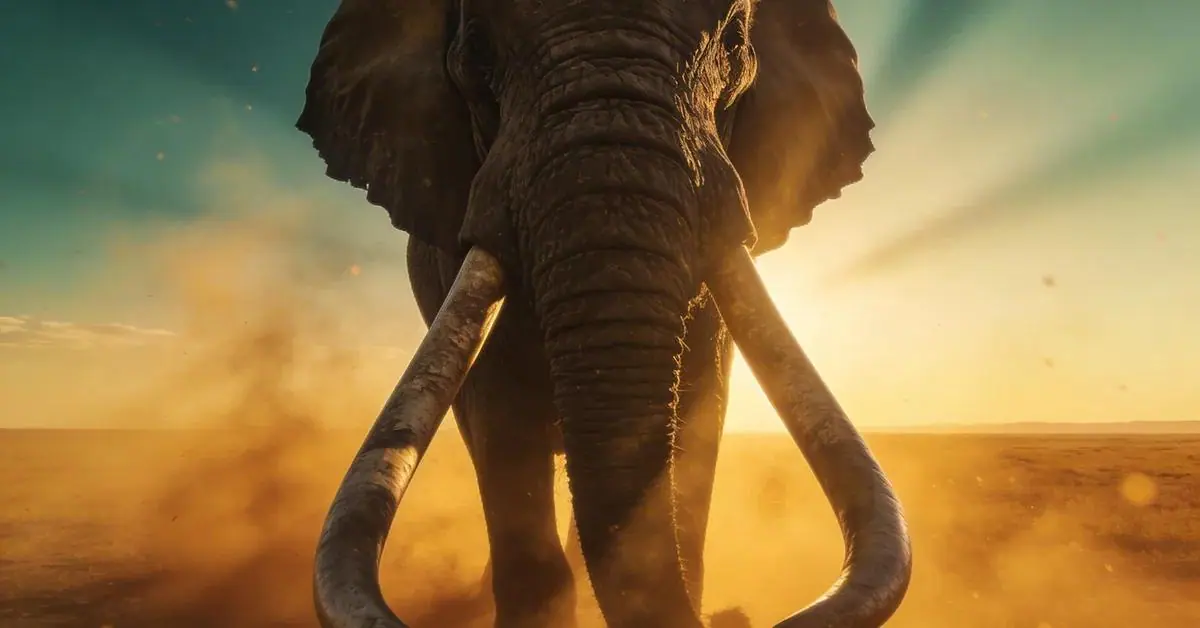
Dreaming of an elephant symbolizes deep wisdom, enduring strength, and powerful collective memory in Jungian psychology. Carl Jung associated it with the Self, stability, and psychic energy that must be consciously integrated. Its appearance may also reflect a grounded connection to reality, patience, and the processing of immense emotional burdens.
Is dreaming of elephants good or bad?
Good signMostly a good sign. Dreaming of elephants is usually read as positive, though what happened in the dream and how you felt still change the meaning.
Which animal guides your dreams? Take the spirit animal quiz.
In Jungian psychology, the elephant is a powerful archetype of the 'Collective Unconscious,' representing ancient wisdom, unyielding memory, and immense psychic strength. It signifies a grounded connection to reality and the manifestation of long-term goals. Its presence suggests the need for patience and social cohesion, reflecting reliable inner authority and the processing of 'large' emotional burdens.
Get your personalized AI interpretation in seconds
How each tradition reads dreams about elephants
Carl Jung (Archetypes)
Man and His Symbols (1964)
Carl Jung views the elephant as a symbol of the superego and powerful collective memory. It represents the 'Shadow' when appearing fearsome, but more often embodies immense psychic energy and wisdom residing in the collective unconscious. It symbolizes stability, inner strength, and endurance. The appearance of an elephant suggests the dreamer's need to connect with their instinctual powers in an organized, conscious way. Furthermore, it represents the Great Mother archetype due to the elephant's social nature and protection of the young, reinforcing themes of maternal protection and containment.
Sigmund Freud (Desire)
The Interpretation of Dreams (1899)
For Sigmund Freud, the elephant is a powerful masculine symbol linked to virility and paternal dominance. Freudian interpretation focuses on the elephant's size and trunk as phallic symbols reflecting repressed desires or anxiety regarding a dominant father figure. Riding an elephant may represent the ego's attempt to control powerful instinctual drives (libido). If the elephant chases the dreamer, it might signify childhood traumas related to the father or guilt over forbidden desires, with the elephant representing an overwhelming force that commands both fear and respect.
Other traditions
Ibn Sirin (Islamic Core)
Muntakhab al-Kalam fi Tafsir al-Ahlam (attributed)
Ibn Sirin says that the elephant in a dream symbolizes a powerful, foreign king or a formidable ruler who may be stern or difficult. Riding an elephant during the day without war gear signifies gaining high status, wealth, or proximity to authority. However, seeing an elephant at night might suggest a temporary hardship or trial. Milking an elephant represents acquiring lawful wealth and benefits from a person of great influence. If one sees a dead elephant in a city, it portends the death of its ruler or a major leadership figure, marking the end of a powerful era.
Al-Nabulsi
Ta'tir al-Anam fi Ta'bir al-Manam
Al-Nabulsi interprets the elephant as a representation of righteous men, scholars, or a majestic ruler, though it can also signify hardship. Riding an elephant indicates pride, prestige, and elevation in status. Conversing with an elephant in a dream suggests receiving favors from a person in power or achieving a promotion. However, seeing an elephant in an unusual place or in an aggressive state may warn of trials or illnesses. Nabulsi emphasizes that the elephant's trunk symbolizes extended wealth and blessings, while its meat represents gaining money from a high authority through questionable means.
Imam Sadiq
Imam al-Sadiq interprets the elephant through three lenses: a foreign ruler, a man of great prestige and size, or a potential plot from a powerful entity. Seeing oneself riding an obedient elephant signifies mastery over difficult matters and victory over enemies. Conversely, if the elephant follows the dreamer, it warns of financial loss or a decline in prestige. Al-Sadiq associates the elephant with the pursuit of greatness; leading an elephant smoothly indicates wisdom in managing life's affairs and the ability to tame immense challenges.
Biblical Tradition
The Bible (Old Testament)
In the Biblical context, while elephants are not explicitly mentioned in the Torah, they appear in later texts like Maccabees as instruments of war and brute force. The elephant symbolizes great kingdoms with powerful armies and can be interpreted as a symbol of steadfastness and the heavy weight of responsibility. In Hebrew tradition, elephants are linked to wonders and the divine power that creates magnificent beings. Dreaming of one may suggest facing situations requiring immense faith or a warning against pride and relying on fleeting human strength instead of trusting in God.
Christian Tradition
In early Christian tradition and Patristic writings, the elephant was used as a symbol of chastity and piety due to its temperate nature. It sometimes symbolizes spiritual strength that bears the burdens of others, echoing the call to 'bear one another’s burdens' (Galatians 6:2). In the context of spiritual warfare, the elephant represents the Church's fortitude against persecution. It serves as a symbol of long-suffering and patience that a believer must embody while waiting for divine promises, viewing the elephant as a faithful and steadfast creature that does not forget its path.
Zhou Gong
Zhou Gong Jie Meng (周公解梦)
In Chinese tradition, Zhou Gong interprets the elephant as an omen of great luck, peace, and prosperity. Seeing someone riding an elephant signifies imminent happiness and achieving a prestigious social status. If the elephant is drinking or spraying water, it symbolizes flowing wealth and success in trade. The elephant is a 'lucky dream,' meaning the dreamer is protected by nature and will enjoy longevity. However, an angry elephant may warn of family or professional disturbances that require patience and wisdom rather than direct confrontation.
Hindu / Vedic
In Hindu tradition, the elephant is sacred, embodying Lord Ganesha, the remover of obstacles and god of wisdom. Dreaming of an elephant is a supreme omen of brilliant success and happy new beginnings. The white elephant (Airavata) symbolizes royalty and both spiritual and material sovereignty. Seeing an elephant suggests that obstacles will be cleared through wisdom and effort. It also signifies great memory, intelligence, and family loyalty. In India, riding an elephant in a dream is a sign of leadership, mastering one's destiny, and receiving divine blessings.
Japanese (Yume Uranai)
In 'Yume Uranai' (Japanese dream divination), the elephant is a symbol of strong support and solid relationships. Seeing an elephant indicates the presence of a 'protector' or an influential person who will assist the dreamer. A friendly elephant heralds stability in career and family. A baby elephant signifies the growth of a new idea or project that will eventually become grand. However, a rampaging elephant is a 'Kyomu' (bad omen), warning of the anger of someone close or a loss of emotional control. Elephants in Japan are also sometimes associated with the 'Baku' who consumes nightmares.
Don't let the message slip away. Get a profound, personalized analysis that reveals what your subconscious is trying to tell you.
Interpret your Elephant dream with AICommon Questions & Scenarios
What does it mean to dream of an elephant chasing me?
What is the interpretation of riding an elephant in a dream?
What does it mean to see a baby elephant in the house?
What is the significance of a white elephant in a dream?
What does the death of an elephant mean in a dream?
Written with AI from the traditions named on this page and maintained by the FASSIR English Editor. Last updated . How we interpret dreams
Disclaimer: This analysis utilizes AI based on historical and psychological texts for educational and spiritual insight. It does not constitute professional medical or psychological advice.