What does it mean to dream about pigeons?
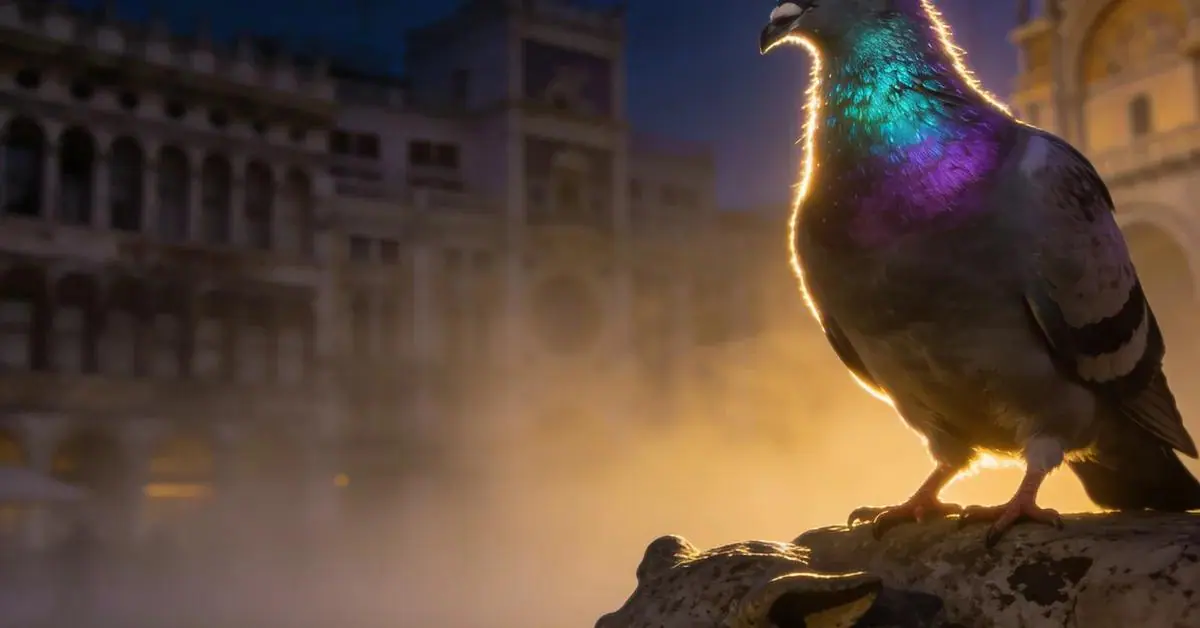
Dreaming of a pigeon suggests inner peace, a message from the unconscious, and a gentle movement toward psychological harmony. For Carl Jung, the pigeon may represent the Anima and act as a messenger between consciousness and the unconscious; a flying pigeon symbolizes release from psychic tension and the integration of opposing aspects.
Is dreaming of pigeons good or bad?
Good signMostly a good sign. Dreaming of pigeons is usually read as positive, though what happened in the dream and how you felt still change the meaning.
Which animal guides your dreams? Take the spirit animal quiz.
In the Western psychological context, the pigeon represents a Jungian archetype of the 'messenger' from the unconscious. It symbolizes internal peace, domesticity, and the return of suppressed thoughts to the conscious mind. Often viewed as a symbol of simple wisdom, it suggests a need for cooperation and finding harmony within one's immediate social environment.
Get your personalized AI interpretation in seconds
How each tradition reads dreams about pigeons
Carl Jung (Archetypes)
Man and His Symbols (1964)
Carl Jung views the pigeon as a representation of the Anima, the feminine aspect of the psyche, symbolizing spiritual transformation and the soul's ascent toward inner peace. It appears in the collective unconscious as a messenger of psychological growth, expressing the individual's desire to reconcile internal contradictions. Flying pigeons signify liberation from repressed psychic constraints and the start of the individuation process. The dreamer finds balance between the Ego and the Self, leading to a state of profound clarity and deep spiritual tranquility.
Sigmund Freud (Desire)
The Interpretation of Dreams (1899)
Sigmund Freud associates the pigeon with libidinal drives and repressed physical desires, viewing birds as symbols of longing for sexual freedom. The pigeon’s gentleness and movements may represent nostalgia for maternal tenderness or a wish to return to a state of childhood security. The nest symbolizes the womb and emotional stability, while flight might express a desire to escape social pressures restricting instinctive expression. These dreams often reflect unfulfilled emotional cravings attempting to surface through familiar, non-threatening symbols.
Other traditions
Ibn Sirin (Islamic Core)
Muntakhab al-Kalam fi Tafsir al-Ahlam (attributed)
Ibn Sirin says the pigeon represents a faithful, beloved woman or a trustworthy messenger bringing glad tidings. It symbolizes answered prayers, the cessation of worries, and the return of a long-awaited traveler. If a pigeon flies toward the dreamer, it is a bushra (good omen) of abundant provision or a prestigious guest. Hunting pigeons signifies gaining wealth from noble people, while their cooing represents gentle admonishment between lovers or hearing pleasant words. White pigeons embody faith and piety, whereas green ones signify devotion and blessings in life.
Al-Nabulsi
Ta'tir al-Anam fi Ta'bir al-Manam
Al-Nabulsi interpreted the pigeon as security, peace, and tranquility, symbolizing a righteous wife who guards her husband's secrets. Seeing a pigeon inhabiting one's home indicates marriage for the single or marital stability for the wedded. Slaughtering a pigeon can signify marrying a virgin, while plucking its feathers suggests obtaining money from a woman or restricting her expenses. The pigeon also represents a loyal friend and comfort during adversity. Whoever dreams of turning into a pigeon will attain leadership, sovereignty, and a prominent social status among their peers.
Imam Sadiq
Imam al-Sadiq states that the pigeon in visions signifies five aspects: a woman, a child, a servant, a message, or wealth. A flock of pigeons indicates a gathering of family and loved ones for a happy occasion. A white pigeon reflects safety in one's religion and worldly life, while catching one by hand suggests imminent significant benefit. A pigeon with broken wings warns against oppressing the weak or losing a precious opportunity due to hesitation. For a single person, hunting pigeons foretells a blessed marriage, and for a merchant, it promises profit and blessings in lawful earnings.
Biblical Tradition
The Bible (Old Testament)
In the Torah and Old Testament, the pigeon is a symbol of innocence and purity, used in offerings and the Temple. Its symbolism traces back to Noah, where the dove returned with an olive branch to signal the end of the Flood and a new covenant of divine peace. In visions, it represents a gentle spirit and the search for divine security. Mentioned in Psalms and Song of Solomon as a symbol of beauty and faithfulness, its appearance signifies the promise of deliverance and grace, reminding the dreamer of the need for patience and faith during trials.
Christian Tradition
In the New Testament, the pigeon (dove) is the supreme symbol of the Holy Spirit, as seen at the baptism of Jesus Christ. It represents spiritual peace, holiness, and divine guidance for the faithful soul. Seeing a pigeon in a Christian dream signifies divine comfort and a call to live with gentleness and simplicity of heart, as Jesus taught: 'Be wise as serpents and simple as doves.' It also points to spiritual gifts and the fruits of the Spirit for growth in love, heralding the end of spiritual warfare and the triumph of light over darkness.
Zhou Gong
Zhou Gong Jie Meng (周公解梦)
According to Zhou Gong’s traditions, the pigeon is a highly auspicious omen signifying domestic happiness and harmony. Seeing pigeons in the home means business prosperity and increased wealth. If a pigeon flies away, it may indicate a missed opportunity, but its return symbolizes recovering what was lost. Feeding pigeons signifies generosity that will be rewarded with great fortune. Dead pigeons are a warning of family disputes or declining health; the dreamer must exercise caution in dealings with relatives to avoid unnecessary conflict.
Hindu / Vedic
In Hindu tradition, pigeons are sometimes associated with Yama, the god of death, thus viewed as messengers from the underworld carrying warnings or ancestral messages. However, feeding pigeons is generally considered a source of good karma, bringing blessings and material prosperity. Seeing them signifies the clearing of debts and an elevation in spiritual consciousness. Pigeons flying over a temple indicate receiving divine mercy and soul stability. White pigeons symbolize yoga and serenity, while grey pigeons might suggest a need for penance or atonement for past mistakes.
Japanese (Yume Uranai)
In Yume Uranai, the pigeon (hato) is considered a messenger of the god Hachiman, deity of war and peace, symbolizing family harmony and longevity. Seeing a white pigeon is a 'Kichimu' (auspicious dream) foretelling success in new ventures. If the pigeon coos peacefully, it signifies calm days ahead. However, a restless pigeon may indicate nature spirits (Kami) attempting to alert the dreamer to an imbalance in their relationship with nature or those around them, calling for a return to social and environmental harmony.
Don't let the message slip away. Get a profound, personalized analysis that reveals what your subconscious is trying to tell you.
Interpret your Pigeon dream with AICommon Questions & Scenarios
What does it mean to dream of a white pigeon?
What is the interpretation of slaughtering a pigeon in a dream?
What does it mean if a pigeon enters my house in a dream?
What is the meaning of a dead pigeon in a dream?
What does it mean to be feeding pigeons in a dream?
Written with AI from the traditions named on this page and maintained by the FASSIR English Editor. Last updated . How we interpret dreams
Disclaimer: This analysis utilizes AI based on historical and psychological texts for educational and spiritual insight. It does not constitute professional medical or psychological advice.