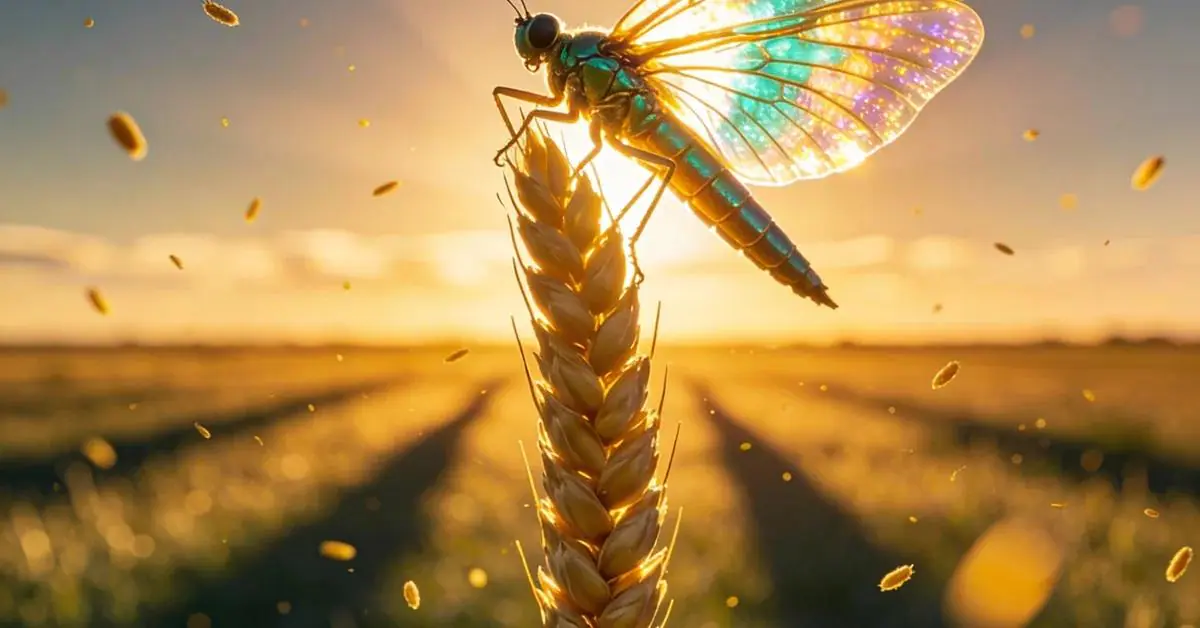
What does it mean to dream about locusts?
Dreaming of locusts can reflect, in Jung’s view, a collective shadow or overwhelming energy that consumes individuality and threatens personal achievements. It may express feeling eaten away by social demands or swarms of troubling thoughts. In Revelation, locusts also represent tormenting forces emerging from the abyss.
Is dreaming of locusts good or bad?
MixedIt depends on the dream. Dreaming of locusts can be a good or a bad sign depending on what happened and how you felt when you woke up.
Which animal guides your dreams? Take the spirit animal quiz.
In the Western Jungian tradition, the locust represents a psychological archetype of consumption and loss of individuality. Dreaming of locusts suggests a feeling of being 'eaten away' by overwhelming external pressures or a 'swarm' of nagging thoughts that threaten your inner resources. It often surfaces during periods of spiritual or emotional depletion, signaling a need to protect your psychological boundaries from collective anxieties that strip away your peace.
Get your personalized AI interpretation in seconds
How each tradition reads dreams about locusts
Carl Jung (Archetypes)
Man and His Symbols (1964)
Jung views locusts as symbols of the collective shadow or instinctual forces that threaten to consume individual consciousness. They represent an overwhelming energy that can destroy personal achievements if neglected. A locust attack may indicate a feeling of being 'eaten away' by societal demands or stereotypical archetypes, highlighting the need to integrate these primal elements into the psyche to achieve true individuation and psychological balance.
Sigmund Freud (Desire)
The Interpretation of Dreams (1899)
Freud interprets locusts as symbols of anxiety related to repressed desires or fears of inadequacy/castration. An infestation may represent obsessive thoughts attacking the ego or childhood memories linked to fear of punishment. Analytically, locusts might mirror a 'hungry libido' seeking chaotic gratification or a latent fear of losing control over one's instincts in the face of societal moral constraints.
Other traditions
Ibn Sirin (Islamic Core)
Muntakhab al-Kalam fi Tafsir al-Ahlam (attributed)
Ibn Sirin states that locusts primarily represent soldiers, armies, or a state of public chaos. If seen falling in a specific place, it may herald rain and divine sustenance. However, an infestation inside homes often signifies divine punishment, trials, or social unrest. Collecting locusts in a bowl suggests incoming wealth and savings, whereas seeing them destroy crops symbolizes drought, financial loss, or the oppression of a tyrannical ruler affecting the dreamer's livelihood.
Al-Nabulsi
Ta'tir al-Anam fi Ta'bir al-Manam
Al-Nabulsi interprets locusts as a gathering of common people or a mob causing disturbance. Small locusts signify persistent problems that are difficult to resolve, while large ones represent a powerful enemy. If locusts are seen flying across the sky, it warns of upcoming hardships or epidemics. Conversely, eating locusts is considered a good omen (Bushra), indicating a modest but blessed livelihood or gaining a benefit through military or official connections.
Imam Sadiq
Imam al-Sadiq views locusts as symbols of difficulties arising from gossip or the interference of others in one's private affairs. They can also represent economic instability. Escaping from locusts in a dream signifies surviving a trial or a malicious plot. In certain contexts, the appearance of locusts serves as a test of piety and patience, prompting the believer to seek refuge in prayer to lift the affliction or hardship.
Biblical Tradition
The Bible (Old Testament)
In the Old Testament, locusts are directly linked to the plagues of Egypt in Exodus, symbolizing divine judgment and retribution. They appear in the Book of Joel as a devastating army that consumes everything, representing the consequences of turning away from God. Dreaming of locusts serves as a call for repentance and seeking divine mercy before an economic or spiritual disaster occurs, often forewarning years of lean harvests.
Christian Tradition
In the New Testament, locusts appear in the Book of Revelation as symbols of demonic forces emerging from the abyss to torment those without the seal of God. They are also associated with John the Baptist's diet of locusts and honey, representing asceticism and detachment from worldly pleasures. Dreaming of locusts may signify spiritual warfare or the necessity to resist external pressures through self-discipline, faith, and reliance on divine grace.
Zhou Gong
Zhou Gong Jie Meng (周公解梦)
In Chinese tradition, seeing locusts is generally an inauspicious omen, symbolizing crop failure and impending natural disasters. If locusts blot out the sun, it indicates a disturbance in the 'Yang' balance and warns of financial risks. However, dreaming of killing locusts is highly auspicious (Kichimu), suggesting the dreamer will successfully overcome disasters or defeat enemies who threaten the family's stability and resources.
Hindu / Vedic
In Hindu thought, locusts can be viewed as symbols of Karma that consumes the fruits of previous efforts. Their appearance warns against wastefulness or sudden loss of wealth due to uncontrollable external forces. Locusts may also represent distracting thoughts (Vrittis) that prevent the mind from achieving deep meditation. Dreaming of them encourages the dreamer to practice 'Dharma' with more focus to protect spiritual and material assets from destruction.
Japanese (Yume Uranai)
In Yume Uranai, locusts are omens of social anxiety or fear of resource scarcity. Given their nature as crop-destroyers, they symbolize envy or jealousy that might erode the dreamer's success. Loud-sounding locusts indicate disturbing rumors or bad news approaching. Killing locusts in a dream is considered 'Kichimu' (auspicious), representing the restoration of peace and tranquility to the household after a period of chaos.
Don't let the message slip away. Get a profound, personalized analysis that reveals what your subconscious is trying to tell you.
Interpret your Locust dream with AIDream Scenarios
Common Questions & Scenarios
What does it mean when you dream about locusts flying inside your house?
What is the interpretation of dreaming about large green locusts?
What does it mean if locusts are attacking me in a dream?
Is dreaming about eating locusts a good or bad omen?
Written with AI from the traditions named on this page and maintained by the FASSIR English Editor. Last updated . How we interpret dreams
Disclaimer: This analysis utilizes AI based on historical and psychological texts for educational and spiritual insight. It does not constitute professional medical or psychological advice.