What does it mean to dream about a lamb?
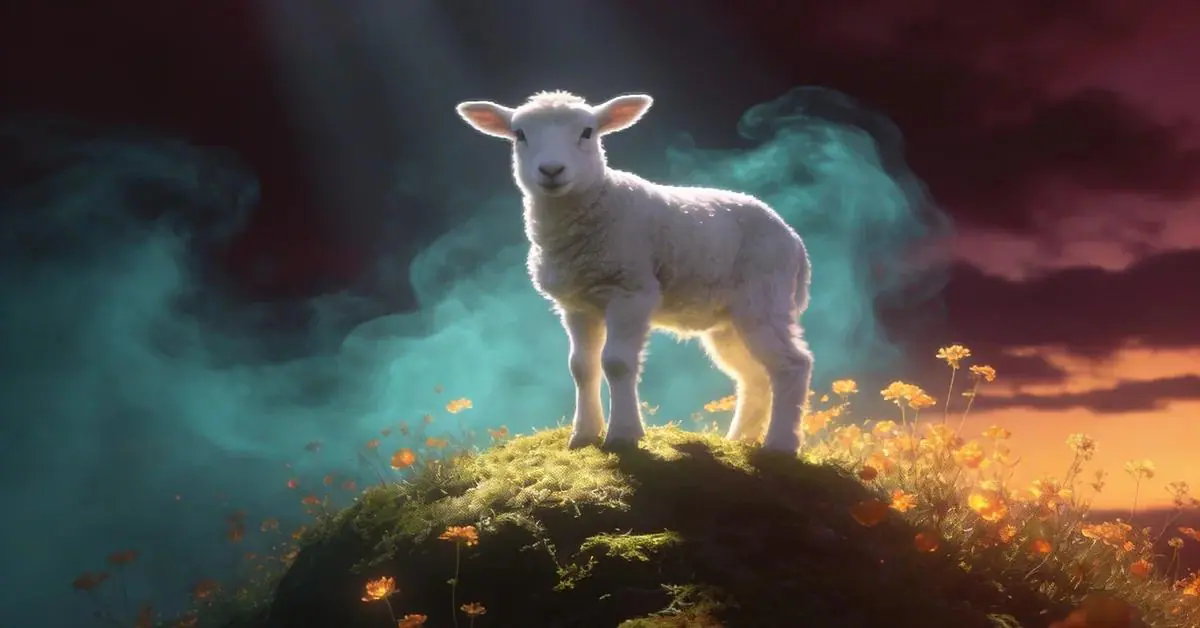
Dreaming of a lamb often reflects innocence, vulnerability, and a longing for peace. Jung connects the lamb with the inner child, emotional nurturing, and the gentler aspects of the self that support wholeness. In the New Testament, it also symbolizes Christ, redemption, humility, sacrifice, and spiritual victory through gentleness.
Is dreaming of a lamb good or bad?
Good signMostly a good sign. Dreaming of a lamb is usually read as positive, though what happened in the dream and how you felt still change the meaning.
Which animal guides your dreams? Take the spirit animal quiz.
In Western psychology, the lamb is a potent Jungian archetype representing the 'Inner Child' and the archetype of purity. It symbolizes uncorrupted vulnerability and your subconscious urge for peace or spiritual rebirth. Dreaming of a lamb suggests a need to embrace gentleness over aggression and may indicate a state of renewal or a sacrifice of the ego for collective harmony.
Get your personalized AI interpretation in seconds
How each tradition reads dreams about a lamb
Carl Jung (Archetypes)
Man and His Symbols (1964)
Carl Jung interprets the lamb as a manifestation of the Archetype of Innocence and the 'Self' in its pristine state. It represents the dreamer's inner child and the need for emotional nurturing. As a symbol of the collective unconscious, the lamb suggests a longing for peaceful coexistence and a return to primal purity. It signifies the gentler aspects of the personality that must be integrated to achieve individuation. Dreaming of a lamb often points to the dreamer's vulnerability, encouraging an embrace of sensitivity as a strength rather than a weakness in the psychological journey toward wholeness.
Sigmund Freud (Desire)
The Interpretation of Dreams (1899)
Sigmund Freud interprets the lamb through the lens of repressed childhood desires and the 'Id.' It often symbolizes a regression to a state of dependency on parental authority or a longing for maternal protection. The lamb may represent suppressed libidinal urges, appearing as a non-threatening, docile figure. Freud might view the act of protecting a lamb as a displacement of the desire to be nurtured, while harming a lamb could represent subconscious resentment toward one's own perceived weakness or a psychological conflict revolving around sexual innocence and the transition to adult responsibility.
Other traditions
Ibn Sirin (Islamic Core)
Muntakhab al-Kalam fi Tafsir al-Ahlam (attributed)
Ibn Sirin interprets the lamb as a symbol of a righteous and obedient son. Gaining a lamb in a dream signifies receiving a blessing or the birth of a child who will be devoted to his parents. If one is gifted a lamb, it foretells a virtuous offspring. Slaughtering a lamb as a sacrifice indicates spiritual growth and salvation from distress, whereas slaughtering it for food might suggest gaining wealth. Overall, the lamb represents innocence, purity, and lawful livelihood, reflecting the dreamer's gentle nature and spiritual readiness to receive divine favors.
Al-Nabulsi
Ta'tir al-Anam fi Ta'bir al-Manam
Al-Nabulsi interpreted the lamb as a symbol of strength combined with gentleness, specifically representing youth and adolescent boys. A lamb entering one's house signifies the entry of blessings and happiness. He also suggests that the lamb represents sacrifice and the fulfillment of vows; thus, sacrificing a lamb for God's sake indicates escaping a great calamity or settling a debt. Furthermore, the lamb's wool symbolizes the accumulation of halal wealth and the preservation of financial resources through blessed means.
Imam Sadiq
Imam al-Sadiq views the lamb as a manifestation of a blessed child, a loyal servant, or halalsustenance obtained without hardship. For a married woman, seeing a lamb in her home is an auspicious sign of pregnancy. For a man, a lamb following him suggests having followers who admire his leadership in virtue. Slaughtering and distributing its meat symbolizes the fair distribution of inheritance or engaging in charitable acts. Interaction with a lamb reflects the dissipation of worries and the arrival of joyous days within the dreamer's domestic life.
Biblical Tradition
The Bible (Old Testament)
In the Hebrew Bible, the lamb is deeply intertwined with sacrificial offerings and spiritual devotion, as seen in the accounts of Abel and Abraham. It symbolizes innocence, gentleness, and total reliance on God. A dream of a lamb suggests a person of pure heart or the necessity of making a moral sacrifice for atonement. It represents the 'flock' of the faithful needing divine protection. The symbol evokes the nomadic heritage of the Patriarchs like Jacob and Moses, signaling a covenant, obedience to divine will, and the virtues of humility and submission to the Creator's guidance.
Christian Tradition
In the New Testament, the lamb is the supreme symbol of Jesus Christ as the 'Lamb of God' who redeems the world. It signifies redemption, ultimate sacrifice, and spiritual victory through humility. Seeing a lamb suggests inner peace and a deep connection to the community of faith. A wounded lamb may represent spiritual suffering or persecution for one's beliefs. Conversely, a triumphant lamb symbolizes the victory of light over darkness in spiritual warfare. The dream calls the individual to embody Christ-like qualities: gentleness, patience, and the willingness to sacrifice for the greater good.
Zhou Gong
Zhou Gong Jie Meng (周公解梦)
Zhou Gong interprets the lamb as a powerful symbol of filial piety and familial harmony. Observing a lamb nursing from its mother is an omen of extreme good fortune and gratitude. Seeing lambs in a lush green pasture predicts wealth, prosperity, and a tranquil professional life. However, losing a lamb is a warning of potential misunderstandings among friends or the loss of a modest but significant opportunity. Generally, the lamb is an auspicious sign (Yao) indicating that a gentle approach to life's challenges will invite celestial rewards and peace.
Hindu / Vedic
In Hindu tradition, the lamb is associated with Agni, the god of fire, symbolizing purity and the sacrificial fire (Yajna). Dreaming of a lamb signifies the sacrifice of lower instincts to attain higher wisdom. It embodies the principle of Ahimsa (non-violence). Such a dream heralds a period of spiritual tranquility and moral growth. Feeding a lamb indicates the accumulation of positive Karma through acts of compassion toward the vulnerable. It represents the soul (Atman) in its untainted state, urging the dreamer to shed ego and embrace a life of simplicity and devotion.
Japanese (Yume Uranai)
In Japanese Yume Uranai, the lamb (Hitsuji) is a symbol of social harmony and strong familial bonds. Seeing a lamb is considered a Kichimu (lucky dream), indicating financial stability and emotional peace. It represents a gentle nature spirit guarding the household. A gambolling lamb signifies vitality and the renewal of personal energy. However, a lone, lost lamb may warn of isolation or a struggle to conform to societal expectations. Overall, the symbol emphasizes patience and cooperation, suggesting that group harmony will lead to collective prosperity and personal contentment.
Don't let the message slip away. Get a profound, personalized analysis that reveals what your subconscious is trying to tell you.
Interpret your Lamb dream with AIDream Scenarios
Common Questions & Scenarios
What does it mean to dream of a small white lamb?
What is the interpretation of dreaming about slaughtering a lamb and distributing its meat?
What does it mean if a lamb is attacking or chasing me in a dream?
What does buying or receiving a lamb as a gift mean?
What does a dead or sick lamb symbolize in a dream?
Written with AI from the traditions named on this page and maintained by the FASSIR English Editor. Last updated . How we interpret dreams
Disclaimer: This analysis utilizes AI based on historical and psychological texts for educational and spiritual insight. It does not constitute professional medical or psychological advice.