What does it mean to dream about insects?
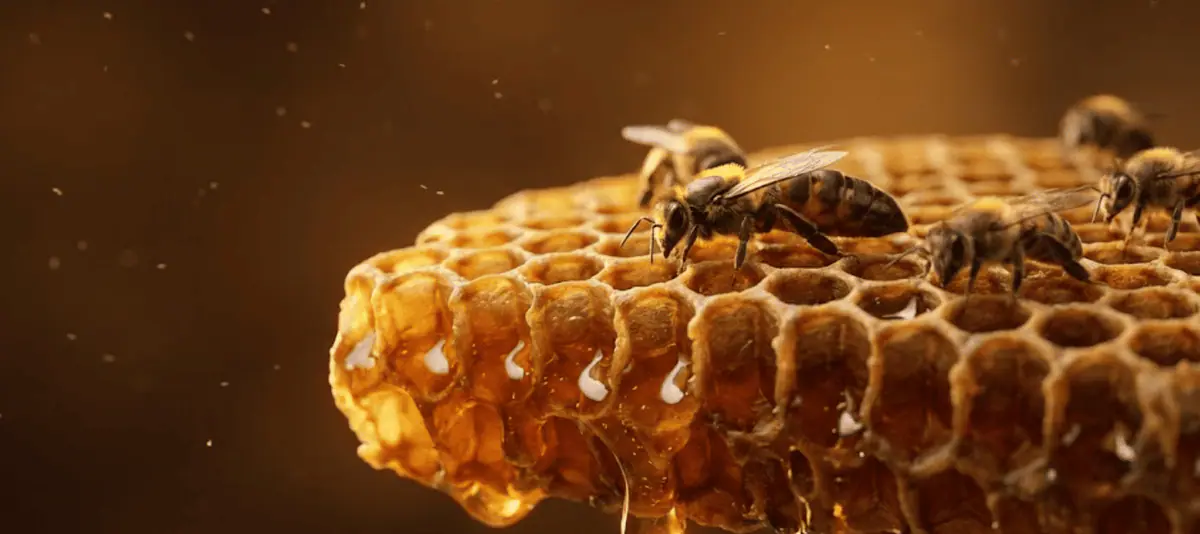
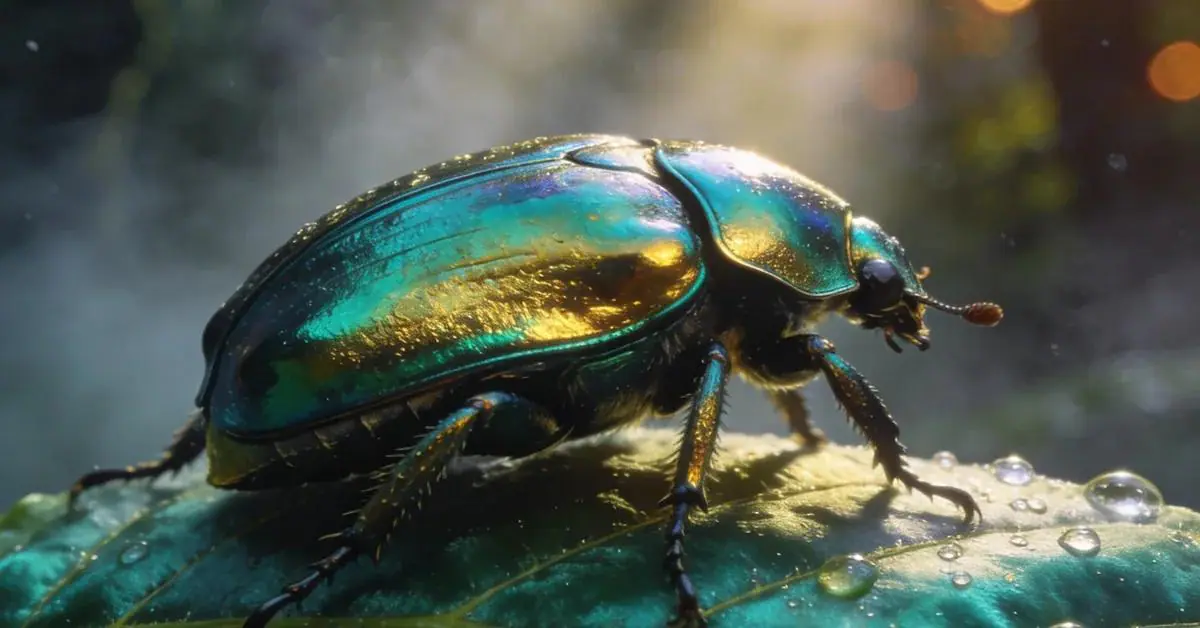
Dreaming of insects often points to repressed anxieties, irritating thoughts, or neglected parts of the unconscious. Jung associated them with primitive instincts and the shadow, while Freud connected them with repressed desires, childhood fears, or guilt and shame. The insect’s type, behavior, and your emotional response shape its personal meaning.
Is dreaming of insects good or bad?
MixedIt depends on the dream. Dreaming of insects can be a good or a bad sign depending on what happened and how you felt when you woke up.
Which animal guides your dreams? Take the spirit animal quiz.
Dreaming of insects often symbolizes feelings of smallness, insignificance, or being overwhelmed by details. Psychologically, insects can represent repressed anxieties or irritating thoughts that are 'bugging' you from the subconscious. They might also highlight aspects of your life that feel invasive or parasitic, where others are taking advantage. Consider the specific insect: ants might suggest hard work or feeling like a cog in a machine, while flies could represent decay or unwanted attention. Overall, insects in dreams urge you to address underlying anxieties and reclaim control from overwhelming forces.
Get your personalized AI interpretation in seconds
How each tradition reads dreams about insects
Carl Jung (Archetypes)
Man and His Symbols (1964)
Jung saw insects in dreams as often representing repressed or neglected aspects of the unconscious. They may symbolize primitive instincts or negative emotions such as anxiety and fear. They may also indicate the shadow aspect of the personality, the dark part that we refuse to acknowledge in ourselves. Analyzing insects in a dream requires understanding the dreamer's personal context and their relationship to them.
Sigmund Freud (Desire)
The Interpretation of Dreams (1899)
Freud believed that insects in dreams may symbolize repressed desires or sexual drives that have not been properly expressed. Insects may also represent sources of anxiety or fear associated with childhood experiences. Crawling insects may indicate feelings of guilt or shame related to sex or forbidden desires. Dream analysis requires decoding these symbols and considering the dreamer's emotional history.
Other traditions
Ibn Sirin (Islamic Core)
Muntakhab al-Kalam fi Tafsir al-Ahlam (attributed)
Ibn Sirin says that seeing insects in a dream may indicate weak enemies or contemptible individuals who are trying to harm the dreamer. Flying insects may suggest negative words being said about the dreamer, while crawling insects may indicate envy or hidden plots. Killing insects is considered a good omen, signifying overcoming problems and enemies. The dreamer should be vigilant in their actions and seek refuge in God from the evil of envious people.
Al-Nabulsi
Ta'tir al-Anam fi Ta'bir al-Manam
Al-Nabulsi interpreted seeing insects as an indication of weak soldiers or contemptible enemies. Insects in a dream may express minor worries and sorrows that befall a person, but they do not last. If a person sees themselves surrounded by insects, it may mean they are surrounded by negative or envious people. Getting rid of insects in a dream indicates overcoming difficulties, problems, and obstacles that the dreamer faces in their life.
Imam Sadiq
Imam Sadiq believes that insects in a dream symbolize meager sustenance or minor livelihood difficulties. They may also indicate people characterized by cunning and deceit. Therefore, the dreamer should be cautious in dealing with others and strive to improve their financial and spiritual situation. An abundance of insects may indicate numerous sins and transgressions, and one should seek forgiveness and repent.
Biblical Tradition
The Bible (Old Testament)
In the Bible, insects (especially locusts) can symbolize destruction and divine punishment, as in the story of the plagues that befell Egypt in the Book of Exodus. They may also indicate human weakness or humiliation, as in the portrayal of man as a worthless worm. The dreamer should reflect on their relationship with God and seek repentance and reconciliation.
Christian Tradition
In Christianity, insects can symbolize spiritual trials or temptations that the believer faces. They may also indicate the influence of evil forces in the world. The dreamer should hold fast to their faith and pray for protection from evil. Overcoming insects can represent victory over sin and temptation.
Zhou Gong
Zhou Gong Jie Meng (周公解梦)
In dream interpretation according to the Book of Zhou Gong, insects may indicate minor problems or slight annoyances. If you see yourself getting rid of insects, this is a good omen indicating overcoming difficulties. Seeing a swarm of insects may portend upcoming troubles. God knows best.
Hindu / Vedic
In Hinduism, insects can represent the cycle of karma and reincarnation. They may symbolize negative aspects of the self that require purification. They may also indicate the small creatures around us that should be respected and not harmed. The dreamer should strive for spiritual balance and practice non-violence.
Japanese (Yume Uranai)
In Japan (Yume Uranai), insects may symbolize minor annoyances or trivial problems. Seeing many insects may indicate small disagreements in relationships. However, killing insects may mean bad luck (Kyomu). The dreamer should be cautious in dealing with others and avoid conflicts.
Don't let the message slip away. Get a profound, personalized analysis that reveals what your subconscious is trying to tell you.
Interpret your Insects dream with AICommon Questions & Scenarios
What does it mean to dream of insects flying around my head?
What is the interpretation of dreaming about seeing many insects in the house?
What does it mean to dream about killing an insect?
What is the interpretation of dreaming about being bitten by an insect?
What does it mean to dream of seeing dead insects?
Written with AI from the traditions named on this page and maintained by the FASSIR English Editor. Last updated . How we interpret dreams
Disclaimer: This analysis utilizes AI based on historical and psychological texts for educational and spiritual insight. It does not constitute professional medical or psychological advice.