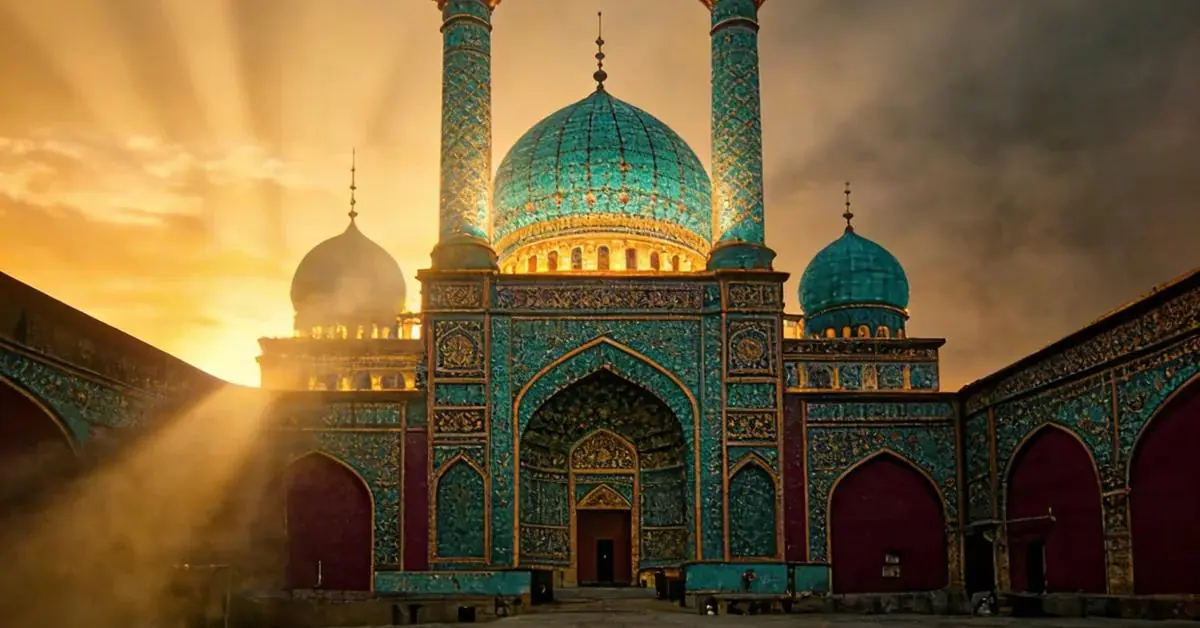
What does it mean to dream about a mosque?
Dreaming of a mosque symbolizes, in Jung’s view, the Self: a sacred inner center seeking psychological integration, protection, and wholeness. It may reflect a longing for inner peace, moral direction, and refuge from worldly chaos. Freud instead associates entering such a religious space with refuge from instinctual conflict or a return to infantile purity.
Is dreaming of a mosque good or bad?
Good signMostly a good sign. Dreaming of a mosque is usually read as positive, though what happened in the dream and how you felt still change the meaning.
What to do after a good or a bad dream in Islam: read our guide to Islamic dream etiquette.
In psychological terms, the mosque represents a Jungian 'Sacred Space' or the 'Self' archetype. It symbolizes a yearning for inner peace, moral orientation, and spiritual integration. Dreaming of a mosque suggests a subconscious desire for sanctuary from worldly chaos, reflecting a quest for core values, collective belonging, and the alignment of one’s ego with a higher ethical purpose.
Get your personalized AI interpretation in seconds
How each tradition reads dreams about a mosque
Carl Jung (Archetypes)
Man and His Symbols (1964)
Carl Jung views the mosque as an archetype representing 'The Self' or the psychic center. It is a sacred space within the collective unconscious where the individual seeks psychological integration and wholeness. The mosque provides spiritual containment and protection, symbolizing the dreamer's return to ancestral wisdom and religious symbols to balance the Ego and the Shadow. It reflects the need to connect with higher spiritual aspects and transcend internal conflicts through ritual and spiritual discipline.
Sigmund Freud (Desire)
The Interpretation of Dreams (1899)
For Freud, religious architecture like a mosque may represent the rigid 'Superego' and moral values instilled by parental figures. Minarets and domes might carry symbolic connotations linked to repressed desires or the fear of moral punishment. Entering a mosque expresses a desire to return to a state of infantile purity or a search for refuge from instinctual conflicts. Occasionally, the mosque represents social constraints that prevent the dreamer from expressing their libidinal drives.
Other traditions
Ibn Sirin (Islamic Core)
Muntakhab al-Kalam fi Tafsir al-Ahlam (attributed)
Ibn Sirin interprets the mosque as a symbol of the afterlife, righteousness, and a sanctuary of peace. It represents a person of authority, a scholar, or a judge who distinguishes between truth and falsehood. Building a mosque in a dream signifies attaining knowledge, gaining a position of leadership, or getting married. For a merchant, it promises profit and success. Entering a mosque indicates sincere repentance and guidance, while its destruction forewarns of civil strife or the death of a prominent religious figure.
Al-Nabulsi
Ta'tir al-Anam fi Ta'bir al-Manam
Al-Nabulsi interpreted the mosque as the 'marketplace of the hereafter' where spiritual gains are made. A flourishing mosque symbolizes a righteous community united in goodness. The Mihrab (prayer niche) represents lawful sustenance or a virtuous spouse. Studying in a mosque suggests attaining a high rank or inheritance. If one sees their house transformed into a mosque, it reflects their honor, asceticism, and influence for good. An unknown mosque may signify the holy city of Makkah or the impending performance of Hajj.
Imam Sadiq
Imam al-Sadiq views the mosque as representing seven types of people or states: an honorable man, a leader, a judge, an Imam, a scholar, asceticism, and social status. Prostrating in a mosque is a glad tiding that prayers will be answered and wishes fulfilled. A deserted mosque symbolizes scholars neglecting their duties or the loss of justice in that area. Sitting in a mosque signifies rest after exhaustion and tranquility after fear, indicating closeness to God and detachment from worldly desires.
Biblical Tradition
The Bible (Old Testament)
Drawing from Old Testament traditions, the house of God (like Solomon's Temple) represents the Divine Presence and the covenant between the Creator and the faithful. A mosque in a dream, as a house of prayer, mirrors Jacob's dream of a ladder connecting Earth and Heaven. It symbolizes holiness, self-sacrifice for the Truth, and the search for Divine Wisdom. Seeing a sacred space means the dreamer is in a position where they must seek God's forgiveness or that God is calling them to renew their faith.
Christian Tradition
In the New Testament context, a mosque reflects Jesus' cleansing of the Temple, emphasizing that the 'body is the temple of the Holy Spirit.' Seeing a mosque expresses a longing for spiritual worship 'in spirit and truth.' It represents the Church as a community of believers or a call to prayer and confession of sins. If the dreamer sees the mosque while performing acts of mercy, it aligns with Saintly teachings on charity. It is a symbol of the inner peace granted by faith and the gathering of the faithful.
Zhou Gong
Zhou Gong Jie Meng (周公解梦)
In the Zhou Gong tradition, seeing a house of worship is a highly auspicious omen. A mosque indicates the harmony of 'Chi' (energy) in one's life. If the dreamer enters with reverence, it foretells family prosperity and longevity. However, if the place is dark, it suggests the dreamer needs to review their behavior and correct their moral path to ensure blessings from Heaven. Praying there is a sign of receiving help from a powerful person or securing a prestigious official position.
Hindu / Vedic
In Hindu traditions, a mosque (or any sacred site) is seen as a symbol of 'Dharma'—moral and spiritual duty. Seeing it suggests the dreamer needs more 'Sattva' (purity and clarity) in their life. The vision may mean that good Karma is fruiting, leading to inner peace. Entering suggests a search for 'Atman' (the true self) and liberation from material illusions. It is a place for deep meditation and shedding the Ego to achieve union with the Ultimate Reality.
Japanese (Yume Uranai)
According to Yume Uranai, seeing a religious structure like a mosque is an auspicious omen (Kichimu) indicating the protection of spirits (Kami). If the mosque is surrounded by nature, it signifies renewal and prosperity. The vision expresses the soul's need for tranquility away from the noise of modern life. If the dreamer feels fear inside, it may be a warning (Kyomu) regarding neglected traditions or disrespect toward ancestors, requiring spiritual purification.
Don't let the message slip away. Get a profound, personalized analysis that reveals what your subconscious is trying to tell you.
Interpret your Mosque dream with AICommon Questions & Scenarios
What does it mean to dream of praying inside a mosque?
What is the interpretation of entering a mosque with someone I know?
What does seeing a large and spacious mosque in a dream mean?
What does dreaming of building a mosque mean?
What does it mean if I dream of a destroyed or ruined mosque?
Written with AI from the traditions named on this page and maintained by the FASSIR English Editor. Last updated . How we interpret dreams
Disclaimer: This analysis utilizes AI based on historical and psychological texts for educational and spiritual insight. It does not constitute professional medical or psychological advice.