What does it mean to dream about nightmares?
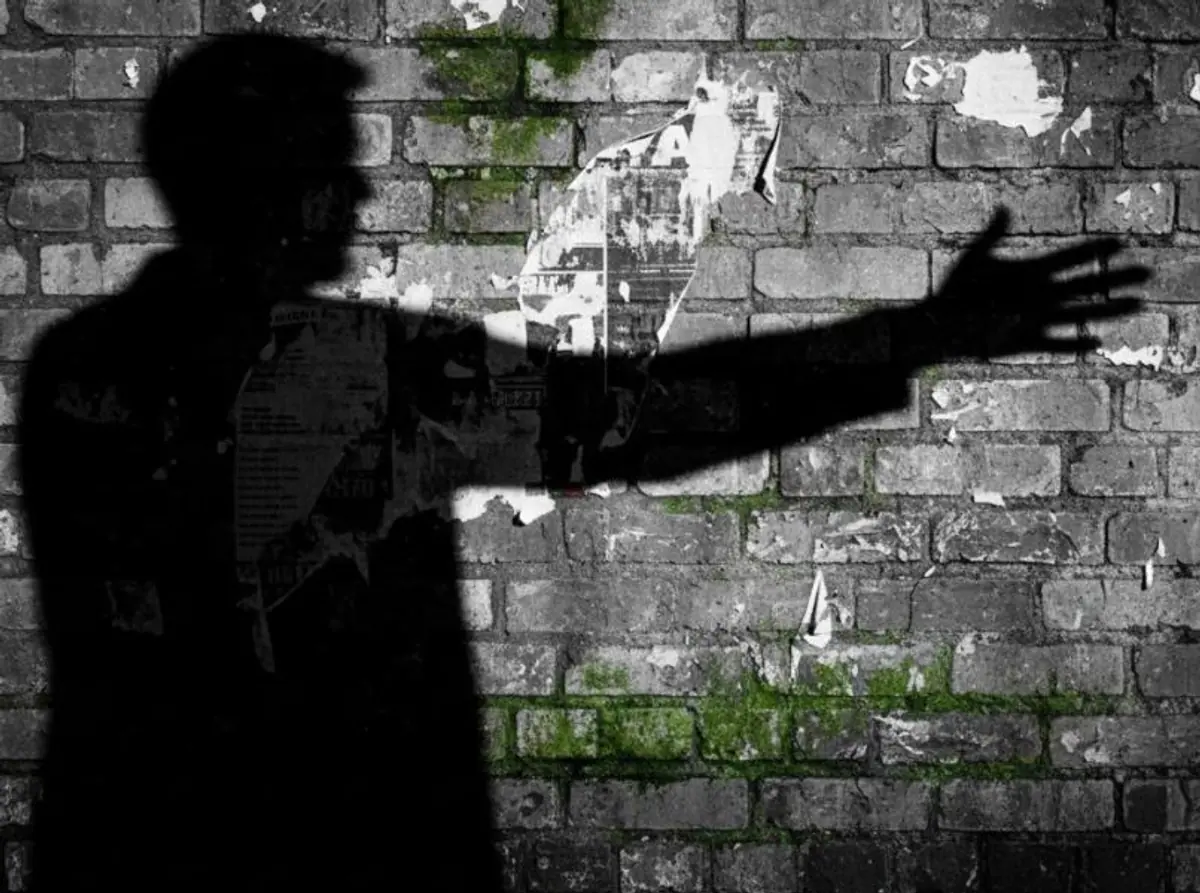
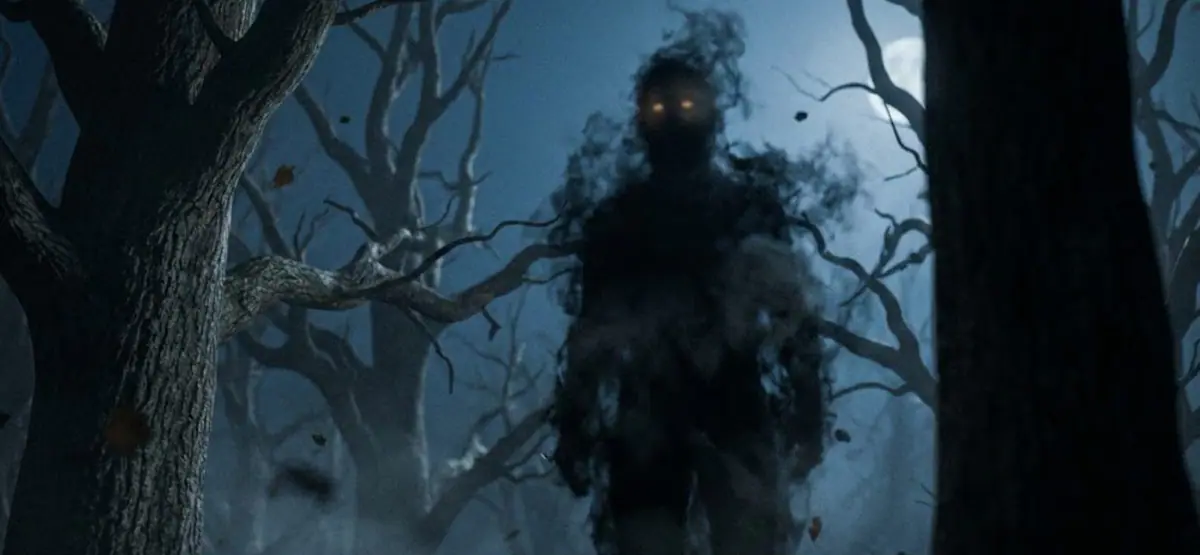
Nightmares often represent Jung’s Shadow: repressed fears, unresolved trauma, or neglected parts of the personality demanding attention. Carl Jung viewed frightening figures as personifications of these inner aspects, while Freud linked nightmares to repressed wishes or childhood trauma breaking through dream censorship. They are psychological messages, not literal predictions.
Is dreaming of nightmares good or bad?
MixedIt depends on the dream. Dreaming of nightmares can be a good or a bad sign depending on what happened and how you felt when you woke up.
Does this dream keep waking you up? See our guide to nightmares and how to stop them.
Same dream again and again? Take the recurring dream quiz.
Psychologically, nightmares represent Jungian archetypes of the 'Shadow,' manifesting suppressed anxieties or unresolved traumas. Rather than literal predictions, they act as urgent subconscious messages signaling that an emotional boundary has been breached or an internal conflict requires immediate integration. These intense dreams serve as a functional mechanism for the psyche to process fear, urging the dreamer to confront avoided aspects of their waking life to achieve psychological equilibrium and growth.
Get your personalized AI interpretation in seconds
How each tradition reads dreams about nightmares
Carl Jung (Archetypes)
Man and His Symbols (1964)
Carl Jung interpreted nightmares as vital messages from the unconscious, specifically highlighting the 'Shadow'—the repressed and unacknowledged aspects of the personality. Rather than mere fear, Jung saw these dreams as the psyche's attempt to restore balance by forcing the individual to confront suppressed archetypal energies. Monsters or pursuers in nightmares are seen as personifications of these neglected parts of the self. Confronting these terrors within the dream is considered a crucial step toward 'individuation,' turning the nightmare into a catalyst for psychological growth and wholeness.
Sigmund Freud (Desire)
The Interpretation of Dreams (1899)
Sigmund Freud viewed nightmares as a failure of the 'dream-work' to safeguard sleep. He interpreted them as expressions of repressed wishes or childhood traumas that are so potent they bypass the mind's internal censor. According to Freud, the intense anxiety felt in a nightmare stems from the Ego's reaction to the breakthrough of forbidden libidinal or aggressive impulses. It represents a clash between the primal desires of the Id and the moral constraints of the Superego, where the distorted representation of the desire becomes a source of terror rather than gratification.
Other traditions
Ibn Sirin (Islamic Core)
Muntakhab al-Kalam fi Tafsir al-Ahlam (attributed)
Ibn Sirin views nightmares primarily as 'Hulm' (disturbed dreams) originating from Satan to cause distress and grief to the believer. He interprets these frightening visions as spiritual warnings (Nadhir) against committing sins or as a call to repentance. Generally, they represent the dreamer's inner anxieties or the influence of negative spiritual forces. To Ibn Sirin, a nightmare has no harmful power if the dreamer seeks refuge in God, suggesting that they often reflect a state of spiritual neglect or psychological pressure rather than a literal prophecy of doom.
Al-Nabulsi
Ta'tir al-Anam fi Ta'bir al-Manam
Al-Nabulsi interpreted nightmares as reflections of temporary worldly worries and psychological burdens. He suggests that the frightening entities encountered in such dreams symbolize weak enemies or internal conflicts with one's desires. Frequent nightmares may indicate confusion regarding a specific decision or a period of financial and social distress. However, Nabulsi notes that waking up with a sense of relief signifies the dissipation of grief and approaching ease. They function as a mechanism of the soul to alert the individual to be more cautious and vigilant in their waking life.
Imam Sadiq
Imam al-Sadiq categorized nightmares as either biological imbalances within the body, diabolical intimidation, or reflections of trials and tribulations in the dreamer's life. He viewed them as an invitation to patience, prayer, and the giving of charity to ward off potential hardships. Nightmares may indicate shifting circumstances or the presence of envious individuals in one's social circle. According to his teachings, these visions serve as a spiritual catalyst for the believer to strengthen their faith through 'dhikr' and purification to protect the soul from negative influences.
Biblical Tradition
The Bible (Old Testament)
In the Hebrew Bible (Old Testament), disturbing dreams are depicted as divine instruments used to warn leaders and prophets. Similar to Pharaoh’s troubling dreams interpreted by Joseph, these nightmares are 'visions of the night' that confront the dreamer with truth or impending judgment. As noted in the Book of Job, God uses these visions to seal instruction or turn mortals from wrongdoing. They represent spiritual agitation or a desperate need for divine guidance during times of personal or national crisis, requiring wisdom and discernment to understand the underlying message from the Almighty.
Christian Tradition
In Christian tradition and the New Testament context, nightmares are often viewed through the lens of spiritual warfare. They can be perceived as attacks by demonic forces intended to instill fear and doubt, requiring the believer to rely on prayer and the authority of Christ for protection. Church Fathers also viewed them as reflections of a troubled conscience calling for repentance. Conversely, a distressing dream can be a divine warning from the Holy Spirit to avoid danger, much like the visionary warnings received by Joseph to flee to Egypt, thereby serving a protective and redemptive purpose.
Zhou Gong
Zhou Gong Jie Meng (周公解梦)
In the tradition of Zhou Gong, nightmares are often interpreted as signs of imbalance in the body's 'Qi' or energy. Dreaming of malevolent spirits or being chased is considered an inauspicious omen relating to impending illness or extreme stress from work and family duties. However, Zhou Gong also employs paradoxical interpretations; for instance, dreaming of one's own death or blood in a nightmare can be auspicious, suggesting the shedding of old burdens or longevity. Ultimately, a nightmare acts as an omen to cleanse one's environment and restore harmony to daily life.
Hindu / Vedic
In Hindu Vedas, nightmares are referred to as 'Du-svapna' and are attributed to an imbalance of the 'Doshas' or the influence of past Karma. They occur when 'Tamas' (the quality of darkness and ignorance) dominates the mind. Nightmares are generally viewed as inauspicious omens signaling health issues or obstacles. To mitigate their effects, practitioners suggest chanting sacred mantras or performing water purification rituals. The nightmare is treated as a negative energy that must be cleansed from the subtle body to restore spiritual peace and physical equilibrium.
Japanese (Yume Uranai)
In Japanese 'Yume Uranai,' nightmares are traditionally viewed as visitors from the spirit realm or the result of restless spirits. Historically, people invoked the 'Baku,' a mythical creature known as the 'Dream Eater,' to consume bad dreams by placing its image under their pillows. A nightmare is often seen as a 'Kyomu' (bad dream) that serves as a lightning rod, absorbing misfortune so it does not manifest in reality. They also reflect the dreamer's connection to nature and 'Kami' (spirits), acting as a call to perform 'Opurification' to cleanse the self and the household from lingering negativity.
Don't let the message slip away. Get a profound, personalized analysis that reveals what your subconscious is trying to tell you.
Interpret your Nightmares dream with AIDream Scenarios
Common Questions & Scenarios
What does it mean to have recurring nightmares about being chased or running away from someone unknown?
What is the interpretation of a nightmare where I am suddenly falling from a high place?
What do nightmares involving losing teeth or teeth breaking mean?
What is the interpretation of nightmares about death or being trapped in a small space?
What does it mean to have nightmares where supernatural entities or demons are attacking me?
Written with AI from the traditions named on this page and maintained by the FASSIR English Editor. Last updated . How we interpret dreams
Disclaimer: This analysis utilizes AI based on historical and psychological texts for educational and spiritual insight. It does not constitute professional medical or psychological advice.