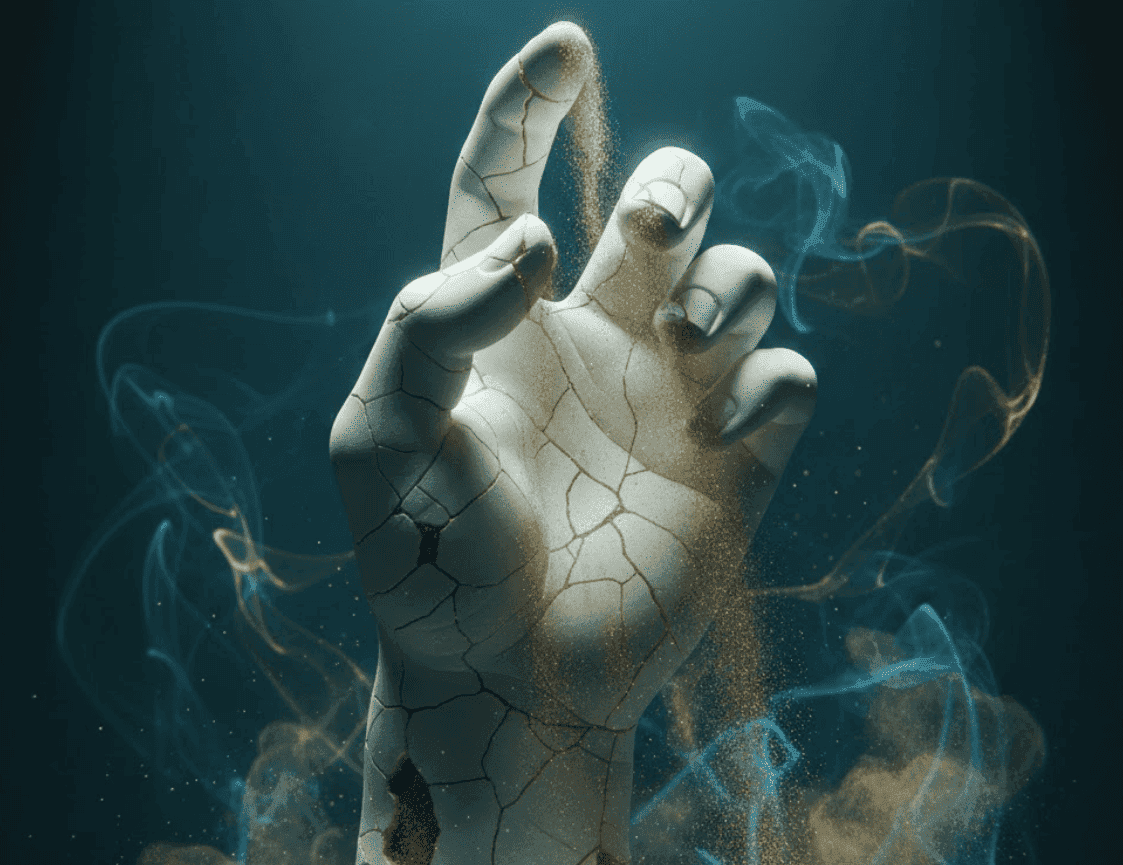
Dream Interpretation of Paralysis: Feeling Trapped
In the Western psychological tradition, paralysis symbolizes an 'archetypal freeze,' reflecting a profound sense of helplessness or a subconscious conflict between desire and action. From a Jungian perspective, it suggests an internal 'stasis' where the dreamer feels inhibited by fear or rigid ego structures, signaling a need to integrate repressed emotions to regain personal agency and movement in waking life.
Had a dream about paralysis?
Get your personalized AI interpretation in seconds
Interpretations
Ibn Sirin (Islamic Core)
Ibn Sirin interprets paralysis as a total cessation of movement in one's worldly affairs or a sign of powerlessness in the face of debt or sin. If the right hand is paralyzed, it suggests a loss of livelihood or haber (news), while paralysis of the leg indicates a struggle in one's path or travel. It serves as a spiritual warning (Nadhir) that the dreamer is being hindered by their own deeds or a lack of religious commitment.
Al-Nabulsi
Al-Nabulsi interpreted paralysis as evidence of inability to perform religious or worldly duties. Seeing oneself afflicted with hemiplegia reflects confusion and weakness in facing adversaries. Paralysis of the fingers may indicate a trial involving children or relatives. If the entire body is paralyzed, it expresses deep-rooted fear or a sin hindering progress. However, if the dreamer recovers from paralysis in the dream, it is a glad tiding of the disappearance of worries and the easing of affairs after a period of hardship.
Imam Sadiq
Imam Sadiq views paralysis as a reflection of helplessness and an inability to protect oneself from harm. It represents emotional distress and a lack of resourcefulness. However, recovering from paralysis in a dream is a sign of divine guidance and relief after hardship. It may also warn against false oaths or dishonesty, urging the dreamer to rectify their conduct to restore balance in their spiritual and material life.
Biblical Tradition
Biblically, paralysis signifies spiritual stagnation or a state of being 'crippled' by sin and disobedience. Drawing from the Hebrew Bible, it reflects a lack of strength to walk in the ways of the Lord. It often represents a period of waiting for divine intervention, as seen in the themes of weakness being perfected in strength. It serves as a call for repentance and a reminder that true movement only comes through God's grace and restoration.
Christian Tradition
Christian interpretation focuses on the spiritual paralysis caused by lack of faith or the burden of guilt. Just as Jesus healed the paralytic, this dream is an invitation to seek spiritual liberation. It may represent a 'spiritual warfare' tactic where one feels unable to pray or act according to Christian values. The dream encourages the believer to 'rise, take up your mat, and walk,' symbolizing a renewal of will through the power of Christ and the Holy Spirit.
Carl Jung (Archetypes)
Carl Jung interpreted paralysis as a symbolic blockage of psychic energy or a conflict between conscious desires and subconscious inhibitions. It often represents an 'ego-paralysis' where the dreamer feels trapped in a life situation, unable to transition or grow. This state reflects a disconnection from the Self, urging the individual to integrate their unconscious shadows to regain their autonomy and move forward in their process of individuation.
Sigmund Freud (Desire)
Sigmund Freud associated paralysis in dreams with repressed sexual desires and the 'inhibition' of the libido. He argued that it often represents a self-imposed censorship where the mind freezes the body to prevent acting out forbidden impulses. It can also be traced back to childhood traumas where the individual felt powerless against parental authority, manifesting in adulthood as a dream of physical immobilization and intense anxiety.
Zhou Gong
In the tradition of Zhou Gong, paralysis is an inauspicious omen indicating stagnation and obstacles. It suggests that the dreamer's path is blocked and that efforts to advance will be futile for a period. Paralysis of the limbs specifically points to a loss of control over one's household or business. It is a call to remain cautious, seek stillness, and avoid risky investments until the cycle of bad fortune concludes.
Hindu / Vedic
In Hindu tradition, paralysis is seen as an obstruction in the flow of Prana (life energy). It indicates a blockage within the subtle body or chakras, preventing the dreamer from fulfilling their Dharma. This state might be interpreted as the result of unresolved Karma, requiring spiritual purification. The dream suggests a need for dhyana (meditation) to unblock the internal pathways and regain the strength to act in accordance with the cosmic order.
Japanese (Yume Uranai)
In Japanese 'Yume Uranai', paralysis is often linked to 'Kanashibari', a state where the spirit is suppressed by external pressures or supernatural entities. It acts as an omen (Kyomu) of extreme stress and the feeling of being silenced in social hierarchy. It reflects a disharmony between the dreamer and their environment. To see this in a dream suggests a need for spiritual cleansing and a retreat into nature to restore the balance of one's 'Ki' or vital energy.
Our AI can analyze your specific dream details in seconds.
Disclaimer: This analysis utilizes AI based on historical and psychological texts for educational and spiritual insight. It does not constitute professional medical or psychological advice.
Don't let the message slip away. Get a profound, personalized analysis that reveals what your subconscious is trying to tell you.