Dream Interpretation of Wind: Powerful Changes
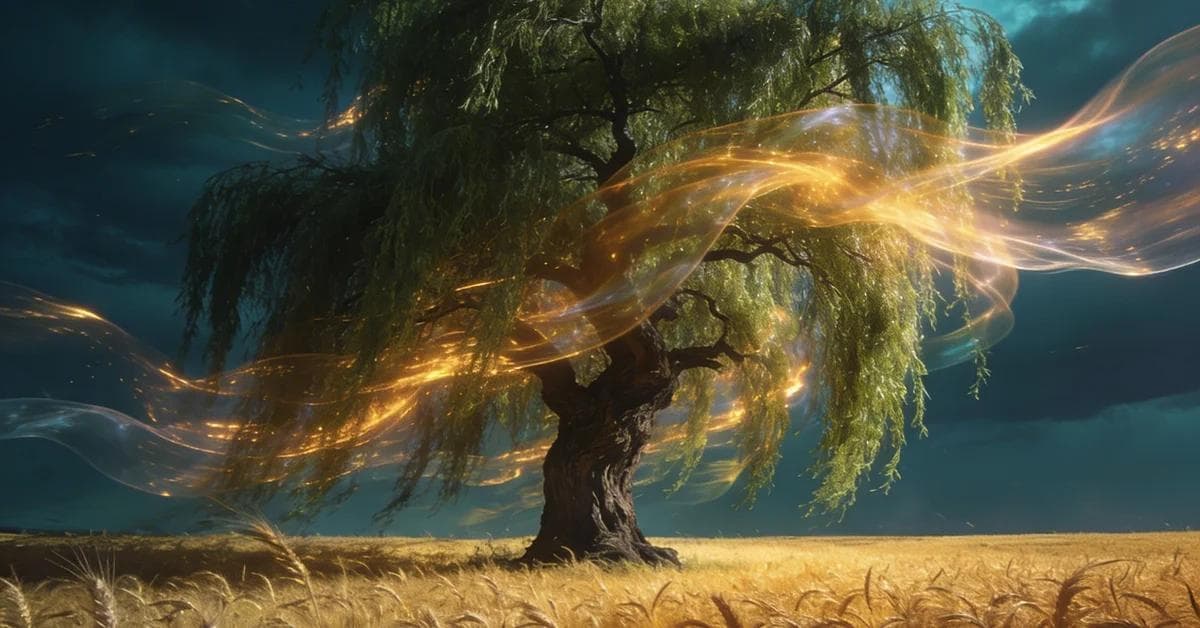
In the Western psychological tradition, wind represents the 'Pneuma' or the breath of the spirit. Archetypally, it signifies an upcoming period of mental transition or emotional upheaval. A gentle breeze suggests a clarifying subconscious shift and rejuvenation, while a gale symbolizes a loss of control or an urgent internal pressure for change, reflecting the invisible forces driving your psychic evolution.
Had a dream about wind?
Get your personalized AI interpretation in seconds
Interpretations
Ibn Sirin (Islamic Core)
Ibn Sirin says that wind represents a powerful ruler or a dominant force. If the wind is calm and brings good tidings, it symbolizes victory, sustenance, and prosperity. However, if it is a violent storm causing destruction, it signifies epidemics or injustice from a leader. If one sees themselves being carried by the wind without fear, they will attain authority or a high status. Toxic or yellow winds indicate illnesses, while winds that uproot trees reflect divine wrath or widespread trials affecting the people in that region.
Al-Nabulsi
Al-Nabulsi interpreted winds as a sign of victory for believers and destruction for disbelievers. They can symbolize livelihood and relief after hardship, as mentioned in sacred texts. Westerly winds represent aid, while a gentle breeze signifies tranquility and piety. Conversely, a freezing, howling wind indicates poverty and torment. If the wind carries dust, it expresses turmoil and anxiety, whereas winds that move ships signify profitable travel or the facilitation of difficult tasks.
Imam Sadiq
Imam al-Sadiq views the wind in a vision as having eight aspects: good tidings, execution of an order, wealth, victory, salvation, illness, grief, or regret. Seeing a calm wind indicates health and prosperity, while a mysterious storm represents fear and instability in faith. A pleasant wind is a mercy from God and good news for the believer of beautiful patience. However, a wind that knocks down walls warns of corruption in religion or a loss of dignity in that location.
Biblical Tradition
In Biblical tradition, wind is 'Ruach' and represents God's presence or power. The east wind was often an omen of trouble or drought (as in Pharaoh’s dream), while the wind that parted the sea for Moses was a symbol of salvation and miracles. Wind represents divine sovereignty that is unseen but alters physical reality; it comes sometimes as judgment and punishment, and at other times as a life-giving force that renews the earth after a drought.
Christian Tradition
In the New Testament, wind is linked to the work of the Holy Spirit, as Jesus likens the movement of the Spirit to the wind that blows where it wishes. Storms at sea represent trials of faith and spiritual warfare against the powers of evil, while the calming of the wind by Christ symbolizes divine peace and the power to quiet spiritual turmoil. The mighty rushing wind on Pentecost was a sign of heavenly power granted to the Church for preaching and witnessing the truth.
Carl Jung (Archetypes)
Jung posits that wind represents the spirit or 'Pneuma' and psychic forces that are invisible but felt. It is a symbol of psychological transformation and the quest for self-awareness. Violent winds may represent the pressures of the collective unconscious trying to break into the ego, while a breeze represents the arrival of new ideas or openness to the 'Animus'. It expresses the power of the soul and the need to change one's emotional or intellectual course.
Sigmund Freud (Desire)
Freud considers wind in dreams to be often linked to nervous tension and repressed instinctual drives. A stormy wind might reflect internal conflicts or fears of psychological collapse due to the suppression of libidinal desires. In some contexts, Freud associates it with bodily functions or intestinal disturbances reflected as atmospheric symbols, viewing it as an expression of suppressed psychic energy seeking release in a chaotic or disturbed manner.
Zhou Gong
Zhou Gong associates wind with the wood element and swift movement; strong winds that frighten the dreamer predict sudden changes in work or unexpected news. Wind blowing into clothes indicates illness, while a gentle breeze is a blessing and the start of a peaceful era. If wind destroys your house in a dream, it may mean necessary transitions in your life path, and loud winds are warnings of gossip or conflicts in the social environment.
Hindu / Vedic
In Hindu philosophy, wind is 'Vayu', the deity representing the vital breath (Prana). Dreaming of calm winds indicates a balance of vital energy and spiritual-physical harmony. Stormy, destructive winds point to an imbalance in the 'Doshas' or the wrath of nature and internal turmoil. Wind is considered a messenger between heaven and earth; its movement in a dream means receiving cosmic messages or alerts from Karma regarding the dreamer's actions.
Japanese (Yume Uranai)
In 'Yume Uranai', winds are messengers from the 'Kami' (spirits). A strong wind (Kamikaze) might mean divine protection that turns the scales in your favor during crises. A breeze carrying the scent of flowers is a 'Kichimu' (auspicious dream) foretelling comfort and joy. However, a typhoon or black wind is considered 'Kyomu' (ominous dream) warning of sudden changes in luck or loss of family stability. Wind that makes things fly symbolizes instability and the need for caution.
Our AI can analyze your specific dream details in seconds.
Common Questions & Scenarios
Deep Dive Interpretations
What does it mean to dream of attempting to fly or float on the wind, feeling a sense of weightlessness?
What does it mean to dream of being caught in a powerful, thrashing windstorm that makes it difficult to move forward?
What does it mean to dream of feeling a gentle breeze on your face while standing in a peaceful meadow?
What does it mean to see leaves and debris being carried away by a strong gust of wind in a dream?
What does it mean to dream of distinctly hearing the sound of wind whistling through trees or around a building?
Disclaimer: This analysis utilizes AI based on historical and psychological texts for educational and spiritual insight. It does not constitute professional medical or psychological advice.
Don't let the message slip away. Get a profound, personalized analysis that reveals what your subconscious is trying to tell you.