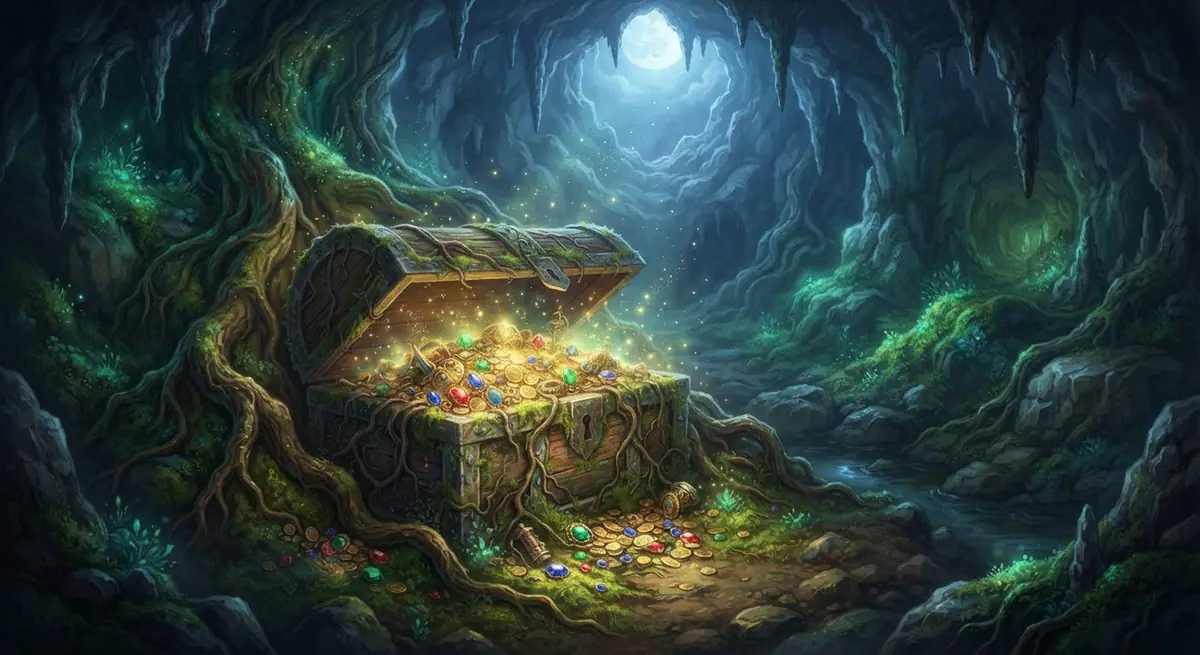
Dreaming of treasure commonly symbolizes hidden value, untapped ability, security, and the hope that effort will yield a meaningful reward. Finding buried treasure can point psychologically to forgotten memories, neglected talents, or a discovery about the self; losing it or being unable to open it may reflect anxiety about missed opportunities or blocked potential. In spiritual traditions, treasure may represent wisdom, blessing, righteous livelihood, divine gifts, or the danger of becoming attached to worldly wealth. Gold and jewels often intensify themes of status, vitality, and precious relationships, while a hoard that feels cursed can signal secrecy, greed, guilt, or burdens inherited from the past. The dreamer's circumstances matter: a poor person, a seeker, a married person, and someone already wealthy may receive different meanings. Treasure shared generously is generally auspicious; treasure guarded obsessively is more cautionary. The emotional tone—wonder, fear, relief, or suspicion—helps determine whether the symbol promises discovery or warns against coveting appearances.
Get your personalized AI interpretation in seconds
How each tradition reads dreams about Treasure
Carl Jung (Archetypes)
Man and His Symbols (1964)
From a Jungian perspective, treasure is a classic image of psychic value hidden beneath the ordinary surface of life. It often belongs to the archetypal pattern of descent and return: the dreamer enters a cave, forest, ruin, cellar, or underground chamber, confronts darkness, and discovers something capable of enlarging consciousness. Buried treasure may therefore represent an unconscious quality—creative power, emotional depth, courage, sexuality, memory, or vocation—that the conscious personality has neglected. The image is not merely a promise of money; it is a picture of individuation and the recovery of the self's neglected riches.
The location and guardians matter. A treasure in a cellar may arise from personal history or repressed family material. A hoard in a temple can express the archetype of the Self and a longing for inner wholeness. A dragon, locked gate, or hostile guardian may personify the shadow: an unwanted trait that must be recognized rather than simply defeated. If the dreamer steals the treasure and flees, the ego may be trying to appropriate unconscious energy prematurely. If the dreamer shares it, the newly discovered value may be ready to enter relationships and ordinary life. A treasure that turns to ash warns that the projected value was inflated or that the ego sought a magical solution.
Jung would also attend to anima and animus imagery. A jeweled feminine figure or mysterious woman guarding the hoard might constellate the anima, linking treasure with feeling, imagination, and eros; a warrior or wise male guardian might represent animus functions such as judgment, meaning, or directed thought. For a person in crisis, finding a small luminous object can be more significant than discovering a palace of gold, because the psyche may be presenting a realistic beginning. Anxiety, greed, or inability to open the chest indicates resistance to transformation. Amplification through myths of the hidden grail, alchemical gold, or the treasure guarded by a dragon can clarify the symbol, but the dreamer's personal associations remain decisive.
Sigmund Freud (Desire)
The Interpretation of Dreams (1899)
In Freudian psychoanalysis, a treasure dream may be approached as wish-fulfilment shaped by latent content rather than accepted as a literal forecast. The manifest image of gold, jewels, or a buried chest can disguise wishes concerning money, status, possession, sexual value, security, or recognition. A person facing financial strain may dream of finding a hoard as a compensatory fantasy of rescue. Someone competing for promotion may convert ambition into the image of suddenly possessing what others desire. The dream's apparent abundance can thus conceal a specific, emotionally charged wish.
Burial is especially important in a Freudian reading. What is underground may suggest repression: a memory, forbidden wish, childhood conflict, or affect kept out of conscious awareness. Digging can symbolize investigation of the past, but it may also carry sexual or aggressive meanings depending on associations, bodily sensations, and the dreamer's history. A locked chest may represent inaccessible or defended content; a key, opening, or secret compartment can indicate a wish for disclosure. If the dreamer finds treasure and immediately hides it, the dream may stage both the wish to possess and the prohibition against possessing. Fear of being caught, robbed, or punished can reveal superego anxiety and guilt.
Freud would not assign identical meaning to gold for every person. A child, a miser, an heir, and someone who has recently lost money bring different day residues into the dream-work. Coins may connect with exchange, payment, retention, or anal-erotic themes in classical psychoanalytic theory, while jewels may condense desirability, vanity, and the wish to be admired. A treasure belonging to a dead relative may combine mourning with longing for inheritance, parental approval, or return of lost love. When the treasure is counterfeit, the dream may expose fear of inadequacy or imposture. Interpretation would proceed through free association, examining condensation, displacement, and recent experiences; the symbol alone cannot establish a universal meaning or predict actual wealth.
Other traditions
Ibn Sirin (Islamic Core)
Muntakhab al-Kalam fi Tafsir al-Ahlam (attributed)
In the dream literature attributed to Ibn Sirin, treasure is not interpreted by its glitter alone. Its meaning changes with the dreamer's condition, the amount found, the place of discovery, and what is done with it. Buried treasure may indicate money preserved for the dreamer, knowledge concealed in a book, an inheritance, or a responsibility hidden within the household. If a poor person discovers a lawful hoard and can remove it without fear, the sign is generally favorable: relief, livelihood, or an opening after hardship. For a merchant, abundant gold may instead warn of heavy obligations, disputes, or money that brings examination and account.
A treasure found in a ruin, desert, or abandoned house can point to an old matter, ancestral property, or a benefit obtained through patience. Finding it in one's own house may signify family wealth, a secret, or something valuable already present but unrecognized. If the dreamer digs repeatedly and reaches nothing, effort may be spent on a doubtful pursuit. Discovering treasure and then losing it suggests instability in wealth or failure to preserve an opportunity. Concealing it from rightful heirs or companions can indicate fear, hoarding, or unlawful gain; distributing it fairly is a stronger sign of blessing and good conduct.
The condition of the treasure also matters. Clean coins or useful jewels suggest recognized benefit, while broken ornaments, counterfeit metal, or treasure guarded by danger may represent deception, debt, conflict, or a trial. A sealed chest can signify knowledge or provision not yet ready to be received. For a sick person, a treasure that brings calm may symbolize hope and recovery, whereas a terrifying hoard can signify burdens or troubling preoccupation. Classical interpretation also treats buried wealth cautiously: finding an enormous quantity may carry the reverse implication of grief, obligation, or calamity when the dreamer's fear dominates the scene. Thus Ibn Sirin's method joins the symbol to personal circumstances, lawful conduct, and emotional outcome.
Al-Nabulsi
Ta'tir al-Anam fi Ta'bir al-Manam
In Abdul Ghani al-Nabulsi's interpretive approach, treasure may stand for concealed knowledge, accumulated wealth, a deposit, inheritance, or a secret whose disclosure changes a person's circumstances. A dreamer who finds a buried chest and opens it successfully may receive an unexpected provision, recover something lost, or gain access to learning. Yet treasure is also a test: the more magnificent the hoard, the greater the possibility that it represents responsibility, litigation, taxation, or an attachment that distracts from religious duty. The dream's moral atmosphere is decisive.
A treasure found in a house can signify a hidden family matter, stored livelihood, or a child and household responsibility. Found in a mosque or a place associated with worship, it may suggest beneficial knowledge or a spiritual trust, provided the dreamer does not steal or profane it. A hoard in a grave, ruin, or desolate land can connect wealth with the dead, inherited property, forgotten obligations, or a lesson drawn from worldly impermanence. If the dreamer is digging for treasure, the digging itself may indicate investigation, travel, labor, or pursuit of a concealed affair. Reaching the object is not automatically good if the source is unlawful.
Nabulsi distinguishes between possessing treasure and being troubled by it. Carrying coins that are heavy, sharp, noisy, or scattered may indicate speech, quarrels, debts, or burdensome transactions. A chest that cannot be opened suggests blocked benefit or knowledge withheld from the dreamer. Treasure stolen by another may reflect loss of trust, while recovering stolen riches can signify restoration of a right. Sharing wealth with the poor or family points toward gratitude and useful generosity; hiding it out of greed warns of constriction and fear. Gold may carry a heavier, more cautionary meaning than silver in some contexts, especially for a man, while ornaments may relate to women, marriage, or social display. For Nabulsi, the dreamer must therefore examine the treasure's source, guardians, and consequences rather than read abundance as simple prosperity.
Imam Sadiq
Interpretations attributed to Imam Ja'far al-Sadiq commonly organize dream symbols through several possible meanings rather than a single fixed prediction. Treasure may therefore signify wealth, knowledge, a child or heir, a trust, a hidden secret, or relief after difficulty. The correct branch depends on the dreamer's condition and on whether the treasure is lawful, accessible, and beneficial. A person who finds a small, sound deposit and uses it responsibly may be shown an attainable provision or useful knowledge. A person who uncovers an immense hoard and becomes frightened may be confronting a trial proportionate to the apparent abundance.
Buried treasure is especially significant because it joins concealment with discovery. For a seeker of learning, opening an ancient container may represent understanding a difficult matter or recovering wisdom from earlier authorities. For a merchant, it can indicate profit, but damaged coins, mixed metals, or treasure found after deception warn of uncertain accounts and disputed gain. For a poor dreamer, a clear path to a modest treasure is more favorable than an impossible mountain of gold: the former suggests gradual relief, while the latter may expose unrealistic desire or a burden beyond present capacity. A married person who finds treasure in the home may see a sign concerning family provision, offspring, or a domestic secret; finding it outside may point to an opportunity gained through travel or public dealings.
The action following discovery is crucial. Giving treasure to parents, dependents, or the needy suggests gratitude, reconciliation, and benefit extending beyond the dreamer. Hiding it, fighting over it, or placing it under a pillow indicates possessiveness, fear of loss, or a trust poorly carried. A locked chest may mean that the promised benefit requires patience, prayer, or proper conduct. A treasure guarded by a serpent, fire, or darkness combines gain with danger and calls for caution. In this tradition, the favorable interpretation is strongest when the treasure is clean, honestly obtained, and used for a worthy purpose; material abundance without moral direction remains an ambiguous sign.
Biblical Tradition
The Bible (Old Testament)
Biblical symbolism treats treasure as a morally charged image rather than a simple promise of riches. In the Old Testament, gold, silver, precious stones, and hidden valuables can signify royal glory, temple dedication, inheritance, wisdom, or the abundance of the promised land. Yet treasure acquired through oppression, idolatry, or pride becomes a sign of judgment. A dream of buried wealth may therefore call attention to what a person values, what has been entrusted to them, and whether prosperity is being used justly. The treasure's source and the dreamer's response matter more than its quantity.
The New Testament sharpens this contrast. The teaching about storing treasures on earth versus in heaven places earthly wealth under the scrutiny of mortality, theft, and decay. The parable of the treasure hidden in a field presents discovery as joyfully costly: the finder sells all to obtain what is truly valuable. A dreamer who uncovers treasure and willingly sacrifices lesser possessions may be contemplating commitment to the kingdom of God, truth, or a demanding vocation. The pearl of great price similarly emphasizes discernment and wholehearted choice, not accumulation. A chest overflowing with gold but producing anxiety may expose misplaced trust, while a modest object associated with mercy or wisdom may represent lasting spiritual wealth.
Biblical narratives also distinguish gift from temptation. Treasure received through honest inheritance can symbolize stewardship; treasure hoarded while neighbors suffer recalls prophetic warnings against exploitation. A poor person finding provision may dream of divine care, whereas a powerful person guarding riches may be confronted with the danger of covetousness. Treasure hidden in darkness can suggest a secret blessing, but it can also represent concealed sin awaiting exposure. For a Christian reader of biblical symbolism, the central question is whether the dream turns the heart toward gratitude, generosity, wisdom, and God—or toward pride, possession, and fear of loss. It is a call to examine allegiance rather than a guarantee of financial gain.
Christian Tradition
Christian mysticism often interprets treasure as the hidden presence of God, the pearl of wisdom, or the inward kingdom discovered through purification and prayer. The buried location is significant: divine likeness and spiritual gifts may lie beneath distraction, wounded memory, habitual sin, or the noise of worldly ambition. A dreamer who descends into a cave and finds a small light, chalice, jewel, or chest may be encountering an image of contemplative grace. The value is not measured by monetary size but by the transformation it awakens.
A treasure found in a church, monastery, garden, or quiet inner chamber can signify prayer, Scripture, sacramental life, or a vocation that has been neglected. Finding it in a marketplace or royal treasury may test whether the dreamer confuses holiness with prestige. A locked reliquary or sealed box may indicate a mystery that requires patience, spiritual direction, repentance, or humility rather than force. If the treasure shines but casts no comforting light, the image may expose spiritual vanity: fascination with extraordinary experiences without love or service. A treasure that is shared with the hungry, family, or community reflects the Christian understanding that gifts are entrusted for the common good.
The guardian can also be read spiritually. A dragon, angel, stern elder, or sword-bearing figure may represent discernment, conscience, or the threshold between curiosity and readiness. Fear of the guardian is not automatically negative; it may mark reverence before a sacred responsibility. For someone grieving, a family jewel or inherited object can symbolize communion of memory and the hope that love is not lost, while the tradition would caution against treating a dream as proof about the afterlife. A monk, minister, or devoted layperson who dreams of gold may be warned against ambition; a despairing person who finds a warm, living light may receive an image of consolation. Christian mysticism therefore asks what fruit the treasure produces—charity, humility, courage, and truth, or possession, pride, and secrecy.
Zhou Gong
Zhou Gong Jie Meng (周公解梦)
In the Zhou Gong dream tradition, treasure is read through the type of wealth, the act of finding or losing it, and the dreamer's social position. Finding gold, jade, pearls, or a chest can signify opportunity, profit, recognition, or the arrival of something valuable. Yet the traditional omen is not uniformly auspicious: great wealth may also indicate worry, responsibility, or the instability that follows sudden gain. A dreamer who discovers treasure and keeps it safely may be anticipating material improvement; one who sees it scattered, stolen, or taken away may be warned to protect finances and relationships.
Buried treasure commonly joins hidden fortune with delayed timing. Digging in the earth and uncovering coins may indicate that effort, persistence, or practical work will reveal a benefit. Finding jade can carry associations of virtue, status, health, and durable worth, while pearls may relate to reputation, children, femininity, or precious news depending on the dreamer's circumstances. Gold ornaments may point to marriage, honor, or social display, but broken or tarnished objects weaken the favorable sign. A merchant or official who dreams of a full warehouse may see a reflection of business hopes and public responsibility rather than a simple promise of profit.
The dreamer's actions create important distinctions. Receiving treasure from an elder or ancestor may suggest support, inheritance, family continuity, or respect for one's roots. Giving treasure to another can mean generosity and successful cooperation, although being forced to surrender it may reflect loss of control. Finding wealth in a home can signify domestic prosperity; discovering it in a grave or abandoned place may connect gain with the past and caution against neglecting obligations. A treasure that causes fear, attracts thieves, or cannot be carried suggests burdens accompanying success. In Chinese omen logic, balance is central: abundance is favorable when it supports family harmony and proper conduct, but hoarding, boasting, and sudden windfall imagery can foreshadow conflict. The emotional tone and the dreamer's current fortune determine whether the treasure points to opportunity or a warning about excess.
Hindu / Vedic
Within Hindu dream interpretation associated with Swapna Shastra, treasure can be an auspicious image of prosperity, merit, opportunity, or the fruits of past action, but its result is shaped by the object and the dreamer's conduct. Finding gold, jewels, coins, or a hidden vessel may indicate gain, honor, successful work, marriage prospects, or the fulfillment of a long-held aim. Gold connected with a deity, temple, lotus, or clean water is generally more favorable than wealth mixed with dirt, blood, fear, or theft. The dream may also reflect artha—material wellbeing—while reminding the dreamer that artha must remain aligned with dharma.
Buried treasure has a particular double meaning. The earth can represent fertility, stored karma, ancestry, and latent potential; digging and finding a sound treasure may suggest that disciplined effort is bringing concealed merit to fruition. If the dreamer discovers treasure in a temple or receives it from a respected elder, the image may point to blessings, instruction, lineage, or spiritual responsibility. A treasure found in a cremation ground, ruined house, or polluted place may instead warn of attachment to impermanent wealth, unresolved ancestral matters, or gains carrying hidden cost. For a householder, a full treasury can support family prosperity; for an ascetic, the same image may expose distraction and attachment.
The condition of the treasure and the dreamer's response remain decisive. Giving jewels to a deity, guru, parents, or the needy can signify offerings, gratitude, and the right use of prosperity. Hoarding, stealing, or fighting over coins reflects lobha, or greed, and may indicate karmic entanglement rather than blessing. A broken jewel can signify damaged reputation or a relationship requiring repair; a radiant jewel may symbolize viveka, the discernment that recognizes the Self's deeper value. Some traditional manuals also treat dreams differently according to timing, bodily constitution, and current life stage. Thus a treasure dream is favorable when it accompanies purity, generosity, and dharmic action, but cautionary when it intensifies craving or forgetfulness of impermanence.
Japanese (Yume Uranai)
In Japanese 夢占い, treasure is commonly associated with hidden potential, luck, self-worth, financial opportunity, and something precious the dreamer has not yet recognized. Finding treasure is often read as a positive sign of discovery: a new ability, relationship, job possibility, or emotional insight may be coming into awareness. The meaning depends on the dreamer's feelings. Excitement and gratitude support an auspicious reading, while fear, guilt, or frantic guarding suggests anxiety about money, comparison, or losing control. Treasure is therefore connected not only with external fortune but also with confidence and personal value.
Buried treasure in the ground can symbolize dormant talent or a past experience that is ready to become useful. Digging it up with one's own hands emphasizes effort and self-discovery; receiving it from another person may point to support, recognition, or a valuable message from that relationship. A treasure chest that opens easily often suggests an opportunity becoming accessible, whereas a rusted lock or endless digging can reflect frustration, delayed results, or a feeling that one's abilities remain unseen. Gold may emphasize achievement and status, jewels may concern attractiveness or relationships, and coins may relate to everyday finances and practical choices.
Japanese interpretations also distinguish possession from loss. Sharing treasure with family or friends can suggest harmonious luck and a wish to celebrate success together. Hiding it under a bed, carrying it obsessively, or fighting over it may reveal insecurity and excessive attachment. A treasure that disappears, is stolen, or turns out to be fake commonly warns of disappointment, unstable expectations, or concern that apparent value is superficial. A beautiful object found in a shrine, garden, or clear stream may add themes of purification, guidance, and favorable timing, while a hoard in a dark or dirty place may indicate unresolved worries. For someone beginning a new project, the dream can encourage confidence in an overlooked resource; for someone pursuing money at the expense of health or relationships, it serves as a gentle warning to reconsider what is truly precious.
Don't let the message slip away. Get a profound, personalized analysis that reveals what your subconscious is trying to tell you.
Interpret your Treasure dream with AIDream Scenarios
Common Questions & Scenarios
What does it mean to dream about treasure?
What does finding treasure in a dream mean?
What does it mean to dream of buried treasure?
What does losing treasure in a dream mean?
What does it mean when I cannot open a treasure chest in a dream?
Written with AI from the traditions named on this page and maintained by the FASSIR English Editor. Last updated . How we interpret dreams
Disclaimer: This analysis utilizes AI based on historical and psychological texts for educational and spiritual insight. It does not constitute professional medical or psychological advice.